
Ukrainian military forces launched large-scale drone attacks against Russian facilities in and around St. Petersburg on Saturday [1, 2].
These strikes represent a significant escalation in the conflict, bringing the war closer to Russia's second-largest city and targeting critical military and energy infrastructure. The operation follows a diplomatic impasse between the two nations.
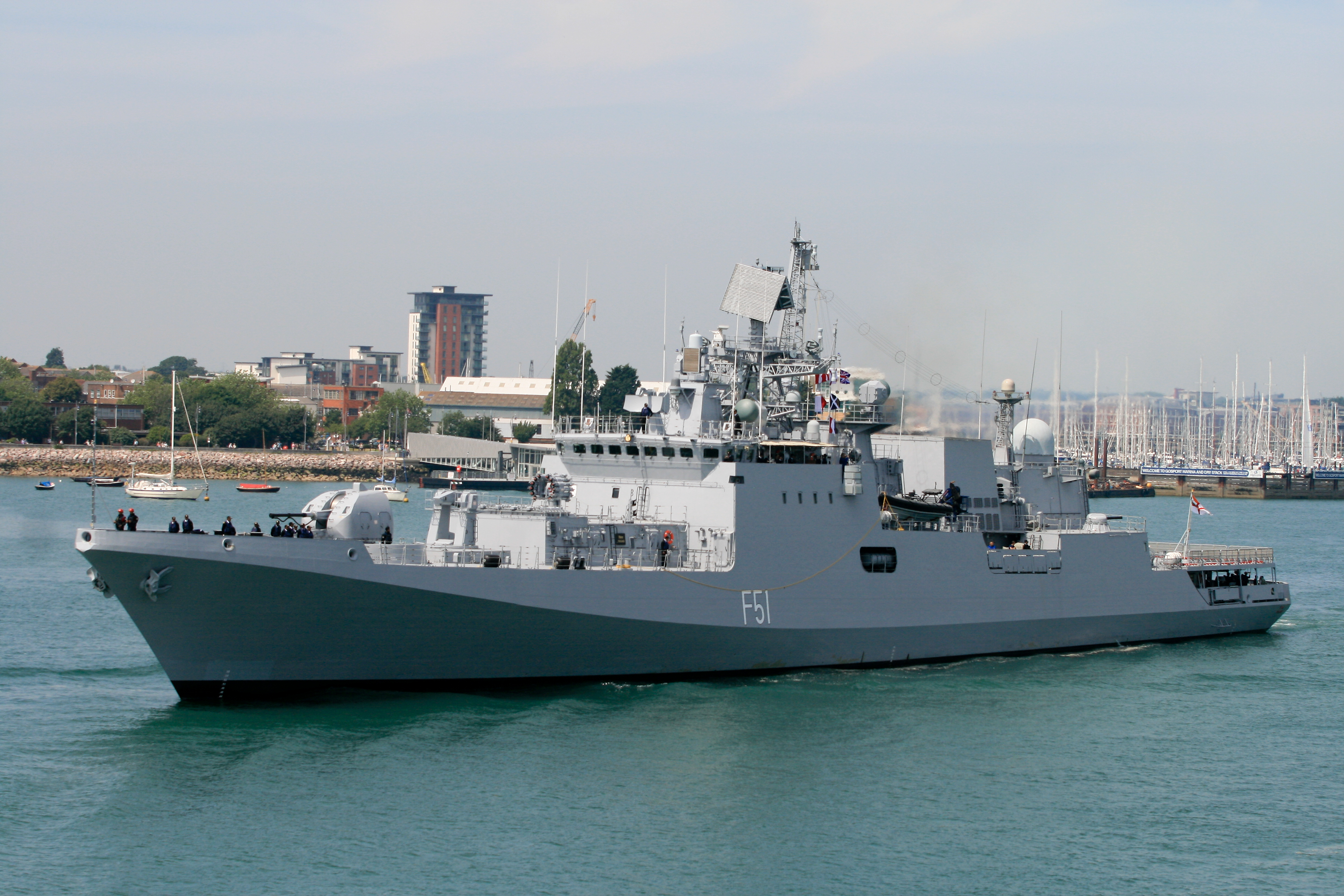
The attacks targeted naval facilities, oil depots, terminals, and other military infrastructure within the St. Petersburg region [1, 2]. Russian officials said the scale and nature of the strikes were unprecedented [1, 2].
Ukraine said the operations were a response to President Vladimir Putin's refusal to engage in direct talks with President Volodymyr Zelenskyy [1, 2]. The Ukrainian military said the goal was to pressure Russian military capability and signal the cost of avoiding diplomatic negotiations [1, 2].
This escalation follows separate violence in eastern Ukraine. At least six people died and dozens were wounded in a Ukrainian drone attack on a student dormitory in Luhansk [3]. Following that event, Putin said he would retaliate [3].
St. Petersburg holds particular symbolic importance as it is the hometown of President Putin. By striking the region, Ukraine has demonstrated its ability to penetrate deep into Russian territory and disrupt logistics at key strategic hubs — specifically those involving the Russian Navy and fuel supplies [1, 2].
“Russian officials said the attacks were unprecedented.”
The targeting of St. Petersburg marks a shift in Ukrainian strategy toward increasing the domestic cost of the war for the Russian leadership. By hitting naval and energy infrastructure in a high-profile city, Ukraine is attempting to leverage military pressure to force a return to the negotiating table after diplomatic efforts stalled.


