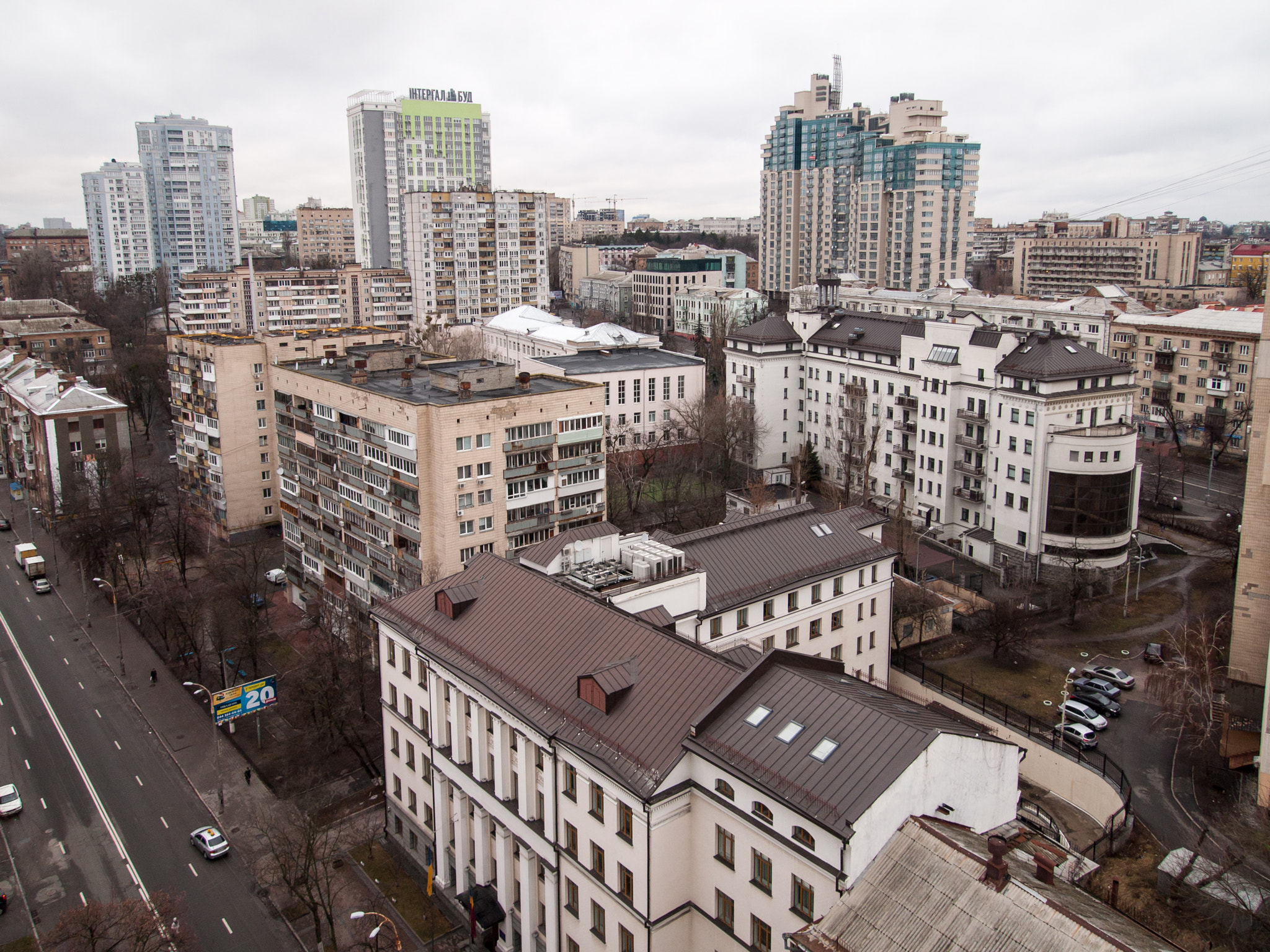
Russian missiles struck Kyiv this week, killing at least 17 people [1] and prompting Ukrainian officials to request more missile interceptors.
This escalation highlights the critical gap in Ukraine's air defense capabilities. Without sufficient interceptors to neutralize incoming ballistic missiles, civilian centers remain vulnerable to high-casualty strikes.
President Volodymyr Zelensky and other Ukrainian authorities said that additional missile interceptors could have saved lives during the attack [1]. The barrage targeted the capital city, resulting in significant casualties among the civilian population [3].
Reports on the exact death toll vary. One source said that at least 17 people were killed [1], while another report indicated that 21 people died [2]. The discrepancy reflects the ongoing challenges of casualty assessment during active conflict.
Ukrainian officials said that Russia launched the attack while Ukraine lacked the necessary volume of interceptors to provide full coverage. The need for these systems is urgent as Russia continues to employ ballistic missiles against urban areas [5].
Zelensky said that the current supply of air defense munitions is insufficient to protect the entire country. He said that the ability to intercept these missiles is the only way to prevent further loss of life in Kyiv and other cities [1].
Ukraine has previously relied on U.S. and allied systems to shield its infrastructure. However, the frequency of Russian strikes has placed a heavy strain on existing stockpiles, leaving gaps in the defensive perimeter [5].
“Additional missile interceptors could have saved lives.”
The disparity in reported casualties and the urgent plea for interceptors underscore a strategic vulnerability in Ukraine's defense. As Russia continues to utilize ballistic missiles, the reliance on external supplies for air defense becomes a critical point of failure; without a steady increase in interceptor volume, Kyiv remains susceptible to strikes that can penetrate current defenses.


