Ukraine will begin a partial demobilization of its soldiers by the end of autumn 2026 [1].
This shift in defense policy comes as the nation balances the need for military sustainability with the social pressure to return long-serving personnel to civilian life. The announcement signals a transition in how the government manages its human resources during the ongoing conflict.
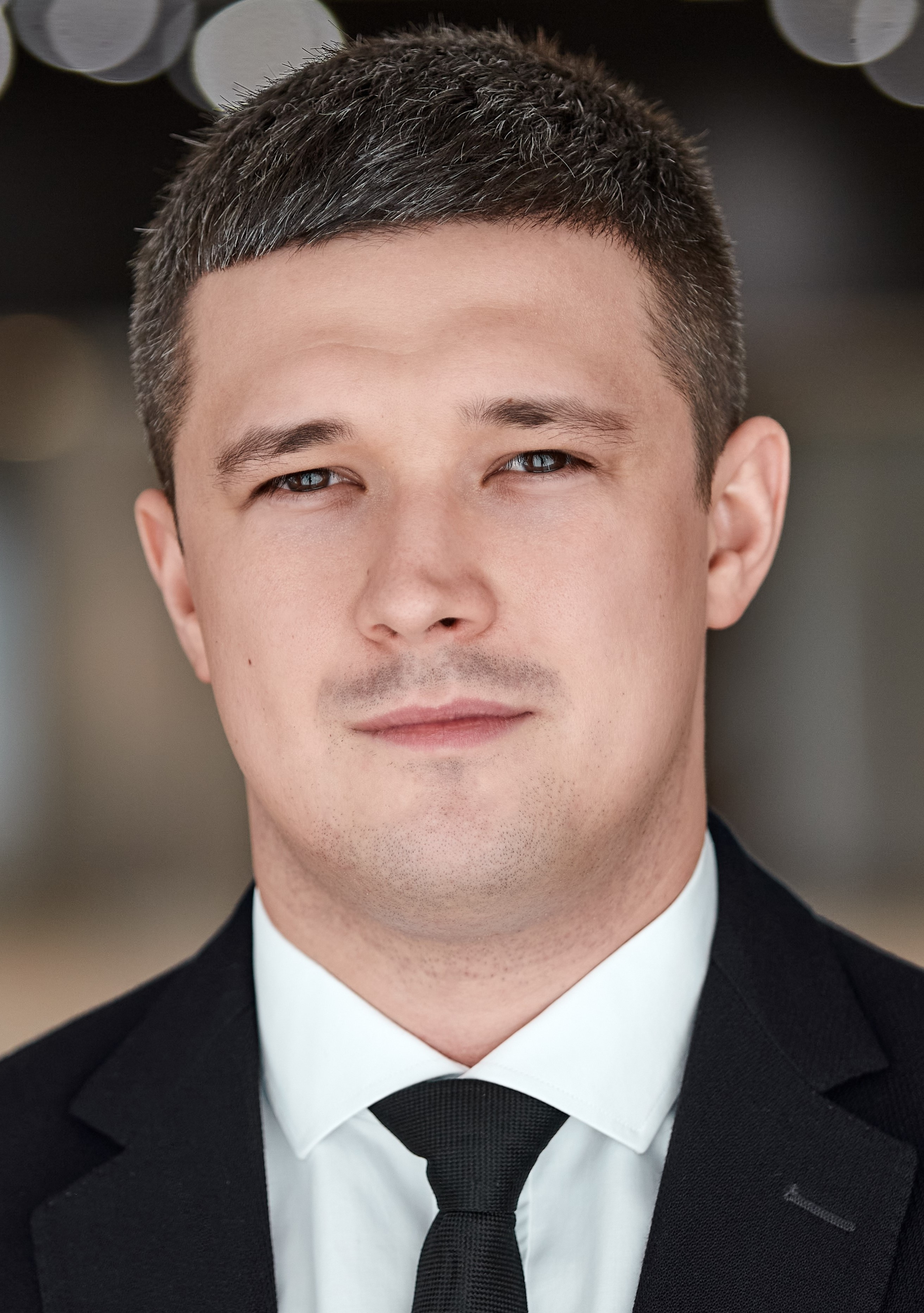
Defense Minister Mykhailo Fedorov said the plan during a broadcast on June 17, 2026 [1]. While the specific criteria for who qualifies for the initial wave of demobilization were not fully detailed, the timeline remains anchored to the end of the autumn season [1].
Beyond personnel changes, Ukrainian authorities are reviewing the first details from the decoding of a Su-24M black box [1]. This technical data is expected to provide critical insights into flight operations and potential malfunctions, or external interference, during missions.
International support continues to scale. The G7 has decided to boost Ukrainian air defense capabilities, and a new aid package from the U.S. has been announced [1]. These resources are intended to mitigate the impact of aerial strikes, such as the recent attack on Sloviansk [1].
Humanitarian concerns remain acute in contested regions. Authorities said children were forcibly evacuated from Komishuvakha [1]. The movement of minors from conflict zones continues to be a point of high sensitivity for international monitors.
On the domestic front, the government is moving forward with restoration plans for the Kyiv-Pechersk Lavra [1]. The project aims to preserve the historic and spiritual site despite the ongoing security environment.
“Ukraine will begin a partial demobilization of its soldiers by the end of autumn 2026.”
The announcement of a partial demobilization suggests that the Ukrainian leadership is preparing for a long-term war of attrition where workforce rotation is essential to prevent military burnout. By coordinating this move with new U.S. aid and G7 air defense upgrades, Kyiv is attempting to maintain its defensive posture while addressing the internal political and social demands for soldier relief.