The United Nations General Assembly adopted a resolution on Wednesday reinforcing the obligations of member states to combat climate change [1].
This move represents a significant push to tighten global environmental commitments following sustained pressure from countries that emit the highest levels of greenhouse gases [1]. By formalizing these obligations, the UN seeks to create a more rigorous framework for accountability in the fight against global warming.
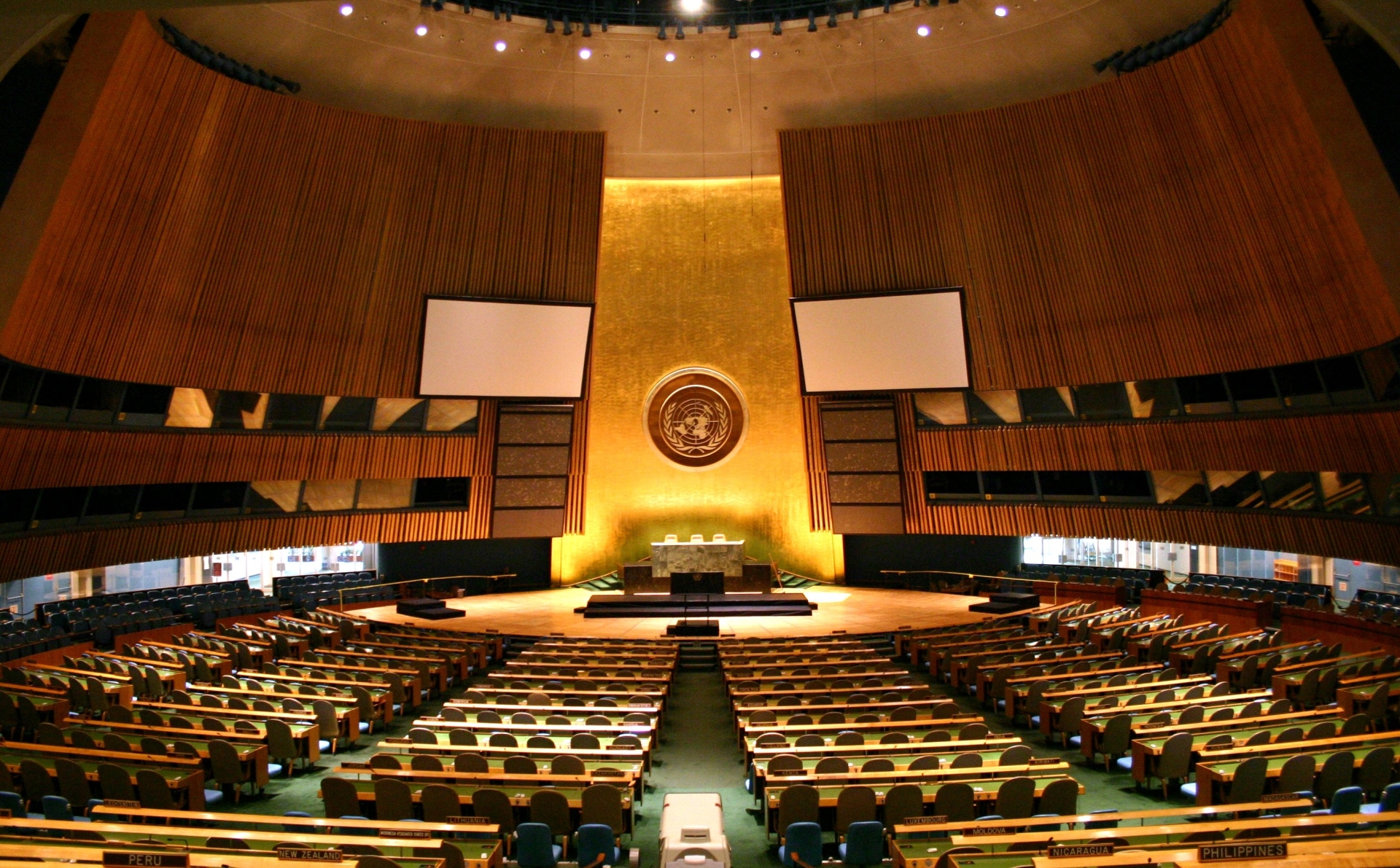
The resolution passed with 141 votes in favor [1]. The measure was supported by a vast majority of the assembly members meeting in the General Assembly hall in New York City [1].
However, the resolution faced opposition from eight countries [1]. Among the nations that voted against the measure were the U.S., Saudi Arabia, and Iran [1]. These countries represent a mix of major oil producers and one of the world's largest economies, highlighting the friction between climate mandates and national economic interests.
The adoption of the resolution follows a period of intensifying international debate over how to distribute the burden of emission reductions. While the resolution reinforces the duties of states, the opposition from key emitters suggests that implementing these standards will remain a diplomatic challenge.
The assembly's decision underscores a growing trend of utilizing General Assembly resolutions to set international norms, even when consensus among the most powerful emitting nations is not achieved [1].
“The resolution passed with 141 votes in favor.”
The adoption of this resolution signals a shift toward treating climate action as a reinforced legal or moral obligation rather than a voluntary pledge. While General Assembly resolutions are generally non-binding, the overwhelming majority of 141 votes creates significant diplomatic pressure on the eight dissenting nations. The opposition from the U.S., Saudi Arabia, and Iran indicates a continuing divide between global climate goals and the strategic interests of major energy producers and industrial powers.


