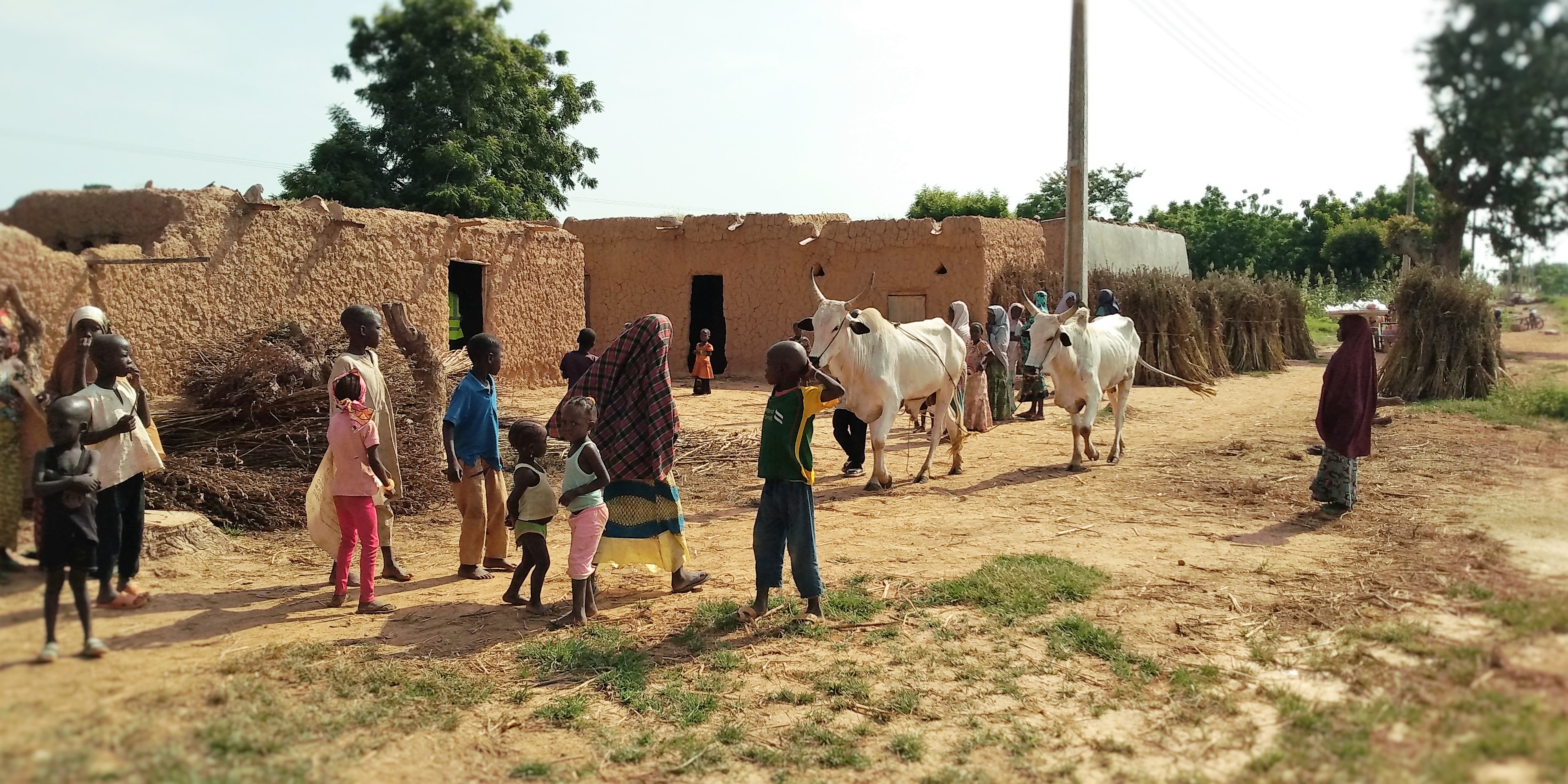
United Nations agencies warn that food insecurity in northern Nigeria is rapidly worsening and reaching crisis levels this year [1].
The deterioration threatens to trigger a humanitarian catastrophe as escalating militant conflict disrupts food production and shrinks the available resources for vulnerable populations [2].
The World Food Programme (WFP) and the Food and Agriculture Organisation (FAO) report that hunger levels in northern Nigeria are now the highest seen in 10 years [3]. These agencies said the region is projected to experience the worst food-insecurity levels in Africa for 2026 [4].
Officials said the crisis is driven by a combination of expanding militant conflict and significant cuts to humanitarian funding [2]. The lack of financial support is creating a gap in essential services, specifically in the conflict-affected northeast region [5].
According to UN reports, more than one million people in northeastern Nigeria face the potential loss of emergency food and nutrition aid [6]. This funding shortfall occurs as the need for assistance grows due to ongoing instability.
The UN said the situation is reaching an unprecedented level [4]. Without an immediate increase in funding and a reduction in violence, the agencies said the region could face a catastrophic hunger crisis [6].
“Hunger levels in northern Nigeria are now the highest seen in 10 years”
The convergence of active conflict and a decline in international aid funding creates a precarious cycle where food is neither produced nor provided. If the projected loss of aid for one million people materializes, the region may see a surge in displacement and mortality that exceeds the capacity of remaining local infrastructure.


