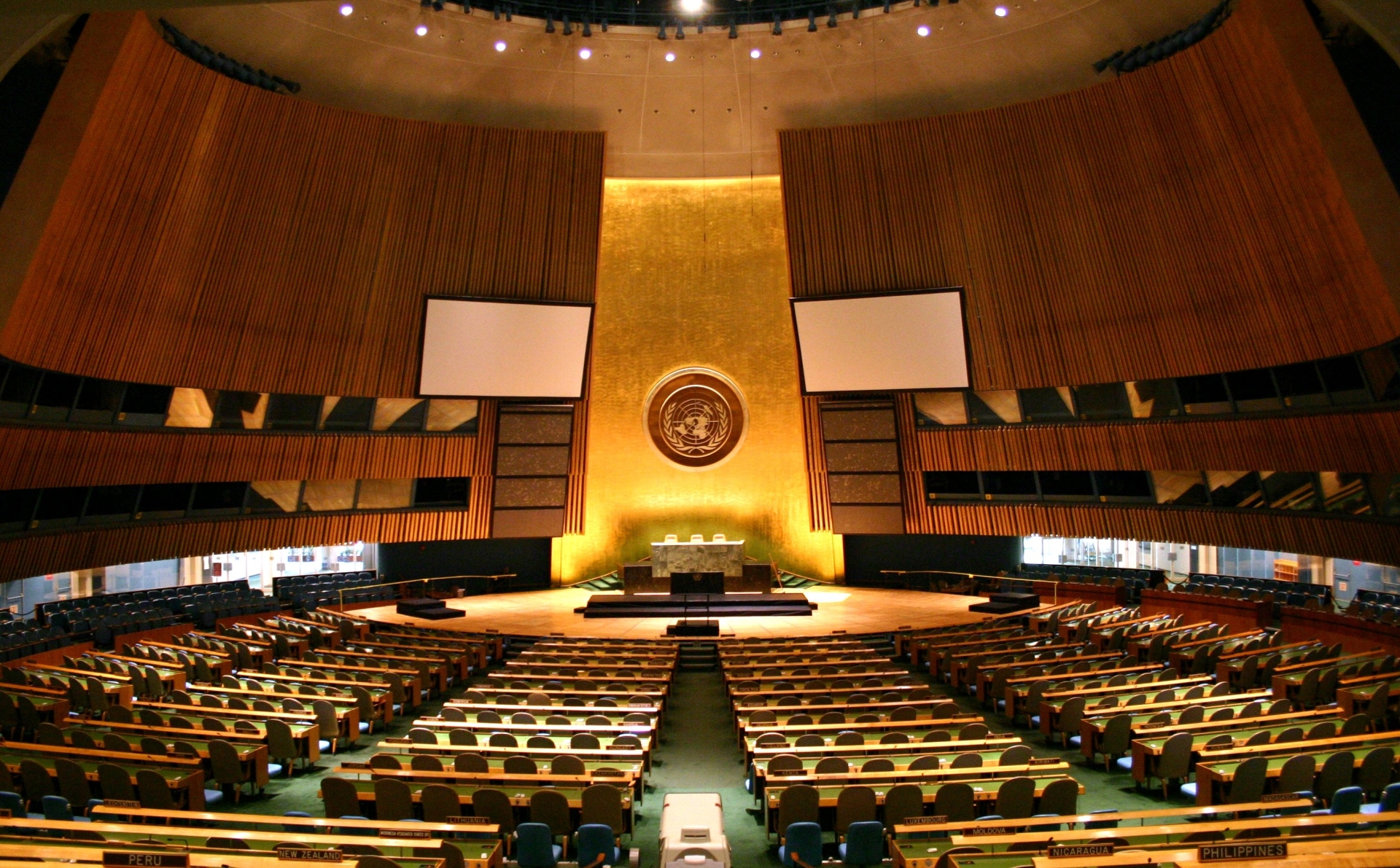
Six candidates seeking to become the next United Nations secretary-general participated in a televised debate on Thursday, July 23 [1, 3].
The event comes as the organization faces a critical juncture, grappling with a financial shortfall and a crisis of confidence among its member states. The outcome of the selection process will determine who leads the global body starting in January 2027 [1, 2].
The debate served as a platform for the six contenders [1] to present their respective visions for the future of the UN. Each candidate addressed the urgent need to stabilize the organization's funding, and restore trust in its ability to maintain international peace and security.
This public forum occurred just one week before the formal selection process is scheduled to begin [4]. The candidates aimed to distinguish their leadership styles and policy priorities before the member states move toward a final decision.
The transition follows the tenure of Secretary-General António Guterres. The candidates focused on how to navigate the complex geopolitical tensions that have strained the UN's effectiveness in recent years — a central theme of the televised discussion.
While the candidates offered varying strategies, the shared urgency regarding the UN's financial instability remained a focal point. The candidates said the organization must evolve to remain relevant in a shifting global landscape.
“Six candidates seeking to become the next United Nations secretary-general participated in a televised debate”
The move toward a televised debate reflects an increasing demand for transparency in the selection of the UN secretary-general, a process historically viewed as opaque. By forcing candidates to address financial instability and waning member-state confidence publicly, the UN is acknowledging that the next leader will need to be as much of a fiscal manager and diplomat as a political figurehead to prevent further institutional decline.


