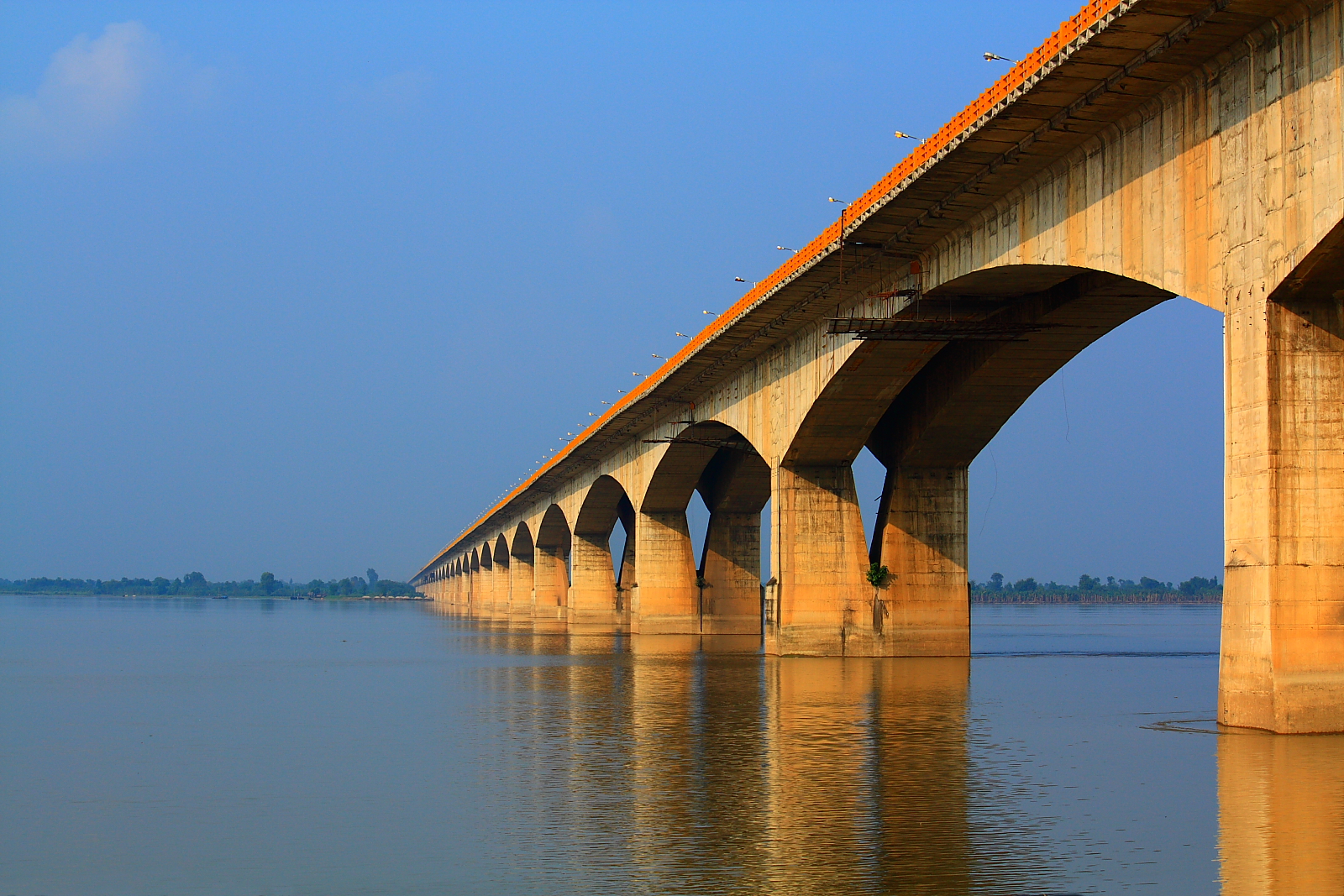
A severe storm caused a section of the under-construction Kandaur-Morakandar bridge to collapse in Uttar Pradesh, killing at least five workers.
The incident highlights the vulnerability of large-scale infrastructure projects to extreme weather events and raises questions about safety protocols for overnight construction crews.
Officials said the collapse occurred around 2 a.m. [1] after strong winds and severe weather battered the region. The failure involved the bridge's slab, support piers, and shuttering structures, which crashed down onto workers [1].
Reports on the death toll vary between five [2] and six people [1]. Three workers were injured in the collapse [3]. The tragedy took place on the bridge spanning the Betwa River in the Hamirpur district.
"The storm was so intense that segments of the bridge collapsed," a resident said [2].
Chief Minister Yogi Adityanath took cognisance of the tragedy following the reports. Emergency responders worked to reach the site, as some reports initially indicated several workers were feared trapped beneath the debris [1].
Investigation into the structural failure is expected as officials determine if the shuttering structures were sufficient to withstand the wind speeds recorded during the storm. The collapse of the slab and piers suggests a systemic failure of the temporary supports used during the casting process [1].
“The storm was so intense that segments of the bridge collapsed.”
This incident underscores the increasing risk that extreme weather poses to infrastructure development in India. When temporary supports like shuttering fail during a storm, it often indicates a gap between engineering safety margins and the reality of intensifying weather patterns, potentially leading to stricter oversight of construction schedules during monsoon or storm seasons.