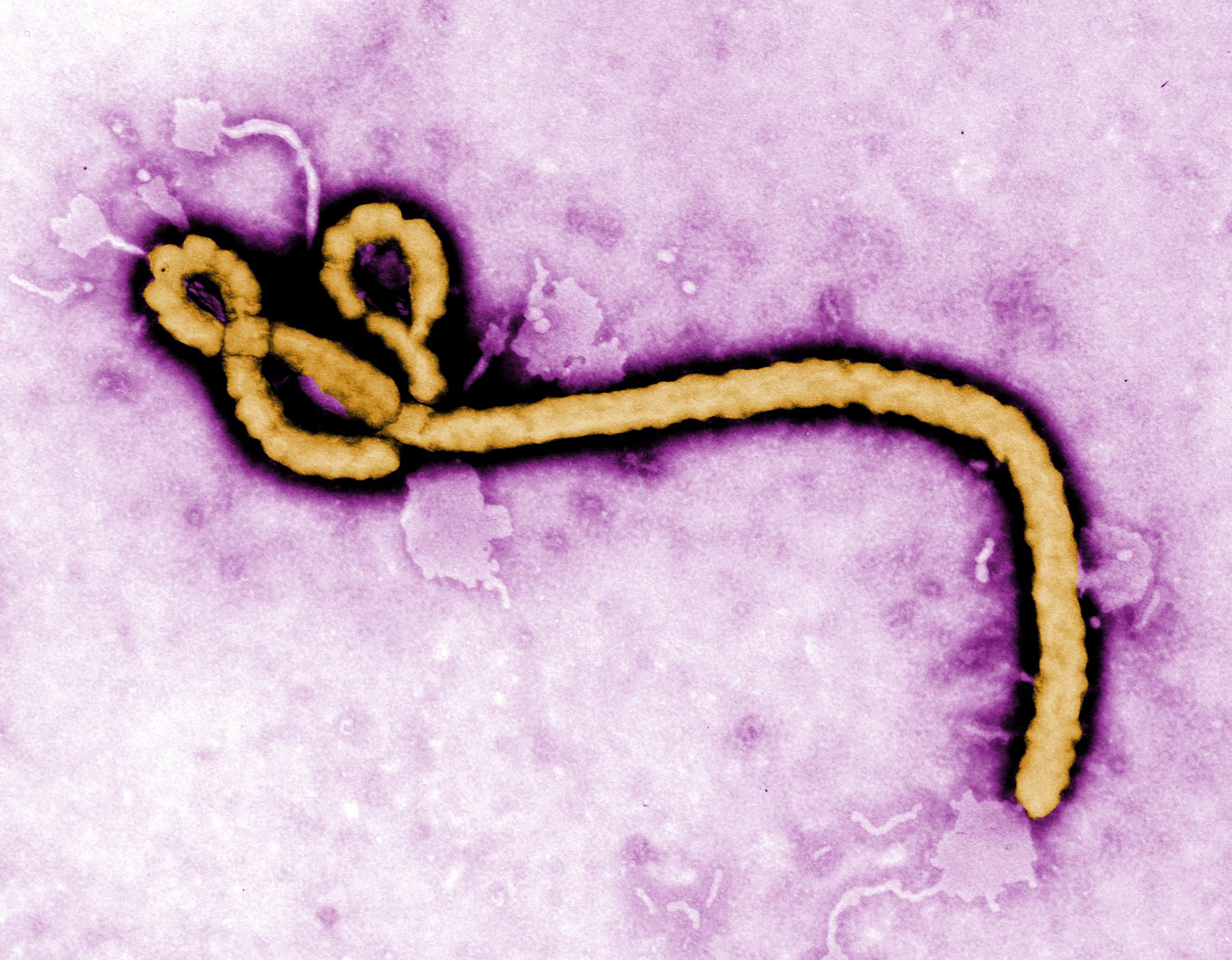
An Ebola outbreak in the Democratic Republic of Congo and Uganda is spreading as recent U.S. foreign aid cuts reduce critical health funding [1].
These funding reductions have diminished staffing for health workers and other response measures. Experts said the lack of resources has directly contributed to the spread of the virus across Central Africa [1, 3].
Dr. Vin Gupta, a senior medical analyst for MS NOW, said the United States will bear the brunt of these international aid cuts [1, 2]. Gupta said the situation is a significant threat, stating, "This is a concerning virus" [2].
The scale of the crisis is evident in the reported numbers. There are more than 800 cases reported in the Democratic Republic of Congo [4]. Additionally, the Bundibugyo Ebola virus outbreak has resulted in 130 deaths [5].
There is a divide among global health leaders regarding the severity of the current situation. Some experts said the outbreak will be a nightmare to contain if action is not taken quickly [4]. However, WHO Director-General Tedros Adhanom Ghebreyesus said the outbreak is not a pandemic emergency [6].
Despite the differing classifications of the emergency, aid workers said U.S. funding cuts have hampered the ability to manage the deadly crisis [3]. The reduction in staffing makes it difficult to implement containment protocols in remote areas of the Congo and Uganda [1, 3].
“This is a concerning virus.”
The tension between national budget cuts and global health security creates a volatile environment for disease containment. While the WHO may not classify the current outbreak as a pandemic emergency, the inability to maintain staffing levels in Central Africa increases the risk of localized outbreaks evolving into larger regional crises.