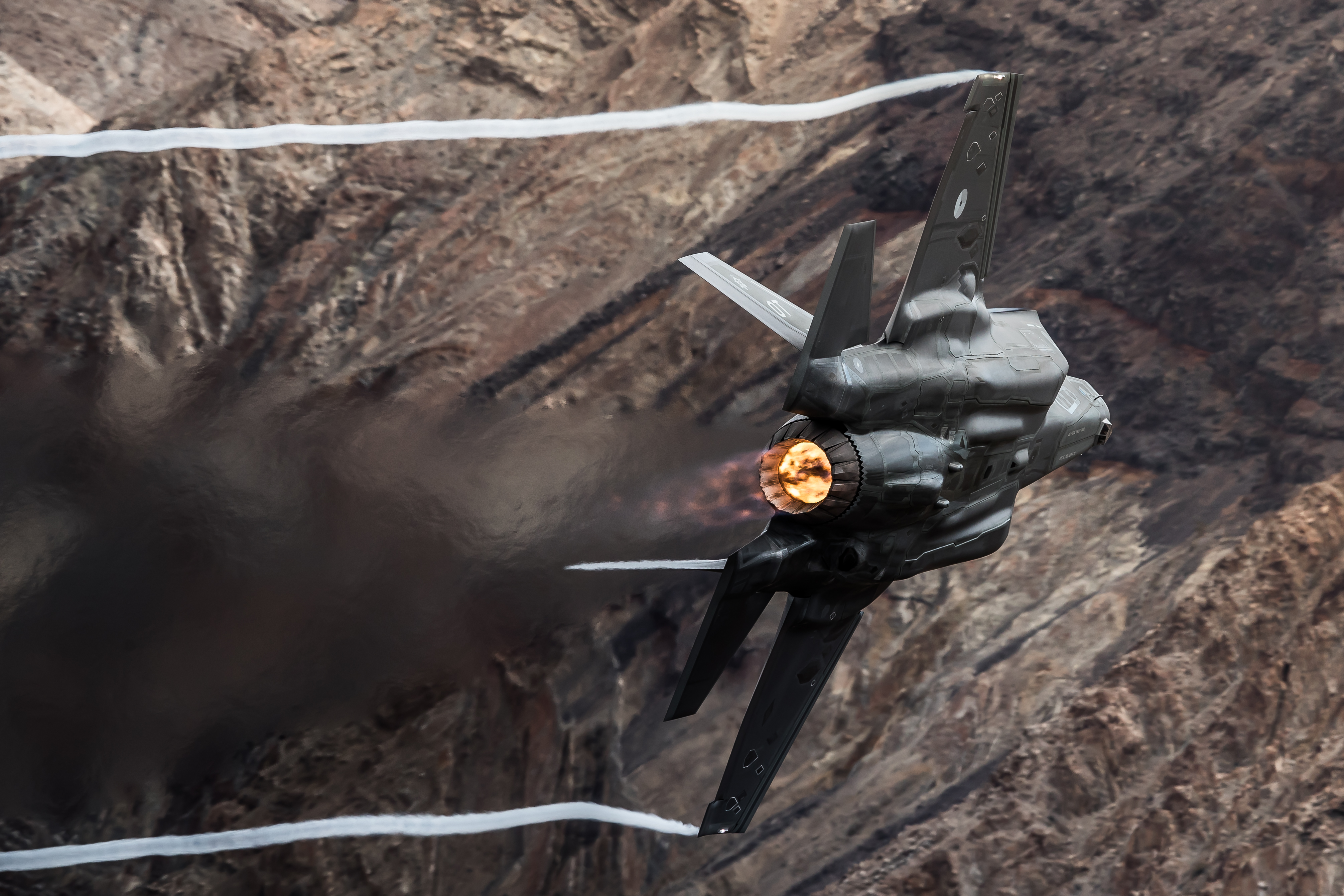
Eight U.S. Air Force personnel died Monday when a B-52 Stratofortress bomber crashed shortly after takeoff from Edwards Air Force Base [1].
The loss of an entire crew during a routine operation raises critical questions about the safety and structural integrity of the aging bomber fleet. This incident represents a significant loss of specialized personnel and military assets within a single event.
The aircraft was conducting a routine test mission [4] when it went down in the Mojave Desert of Southern California. The crash site is located approximately 100 miles northeast of Los Angeles [3]. Officials said that all eight crew members aboard the aircraft were killed [1].
Initial assessments from military officials indicate the crash was not survivable [5]. The aircraft crashed shortly after departing the runway, an event that often suggests mechanical failure or a critical loss of lift during the climb phase.
Edwards Air Force Base serves as a primary site for flight testing and operational evaluations. The B-52 Stratofortress has been a mainstay of the U.S. strategic bomber fleet for decades, though its age often requires rigorous maintenance and testing protocols.
Military investigators are currently working to determine the exact cause of the accident. While the investigation is ongoing, officials said the crash occurred on June 15, 2026 [2]. No other aircraft or personnel on the ground were reported injured during the incident.
“Eight U.S. Air Force personnel died Monday when a B-52 Stratofortress bomber crashed”
The crash of a B-52 during a routine test mission underscores the inherent risks associated with maintaining and operating legacy aircraft. Because the B-52 is a cornerstone of U.S. long-range strike capabilities, a fatal accident during a test flight may trigger a wider safety review of the fleet's airworthiness and the protocols used for routine evaluations.


