NASA astronauts Jack Hathaway and Anil Menon said to NBC News they are on a current U.S. mission to the International Space Station [1].
This interview provides a rare glimpse into the operational objectives and personal experiences of crew members during a high-stakes mission to the orbiting laboratory. As private and public partnerships in space exploration expand, the visibility of these missions helps the public understand the scientific goals of the ISS.
The two astronauts [1] were interviewed by reporter Gadi Schwartz. The discussion focused on the specific objectives of the crewed mission and the transition to life in microgravity. The crew's arrival at the station followed a successful docking procedure that occurred on June 26 [2].
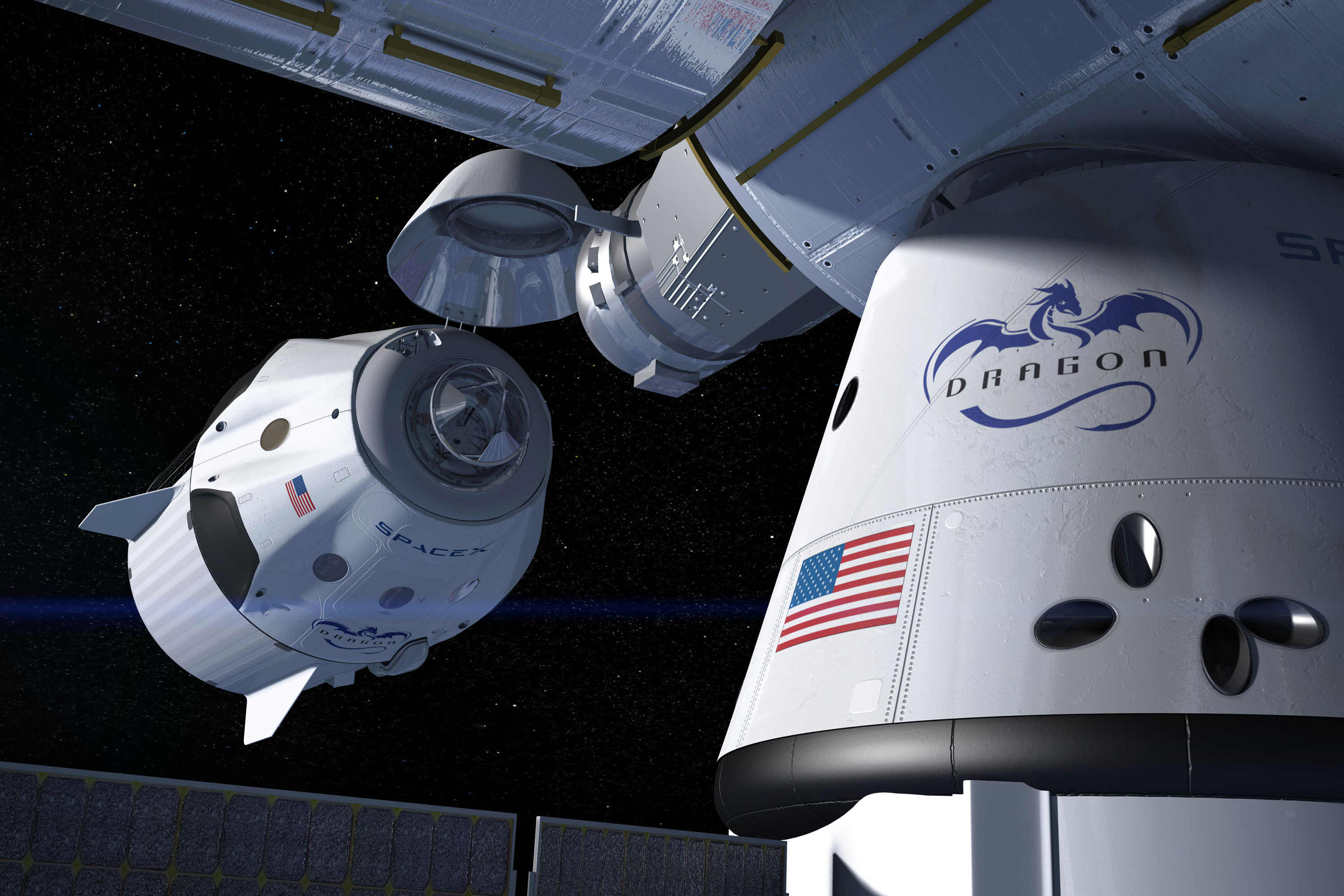
The mission, identified as Axiom-4, utilized a SpaceX Crew Dragon to reach the station [2]. The docking process is a critical phase of any ISS mission, requiring precise synchronization between the arriving spacecraft and the station's docking ports. Once docked, the crew began their scheduled research and maintenance activities.
While the interview highlights the technical aspects of the journey, it also touches on the psychological experience of seeing Earth from orbit. The collaboration between NASA and private entities like Axiom Space continues to shift how the U.S. manages low-Earth orbit operations, integrating commercial logistics with government scientific research.
Schwartz and the crew discussed the ongoing work being conducted aboard the station. The mission serves as a bridge for future long-term habitation goals and the eventual transition to commercial space stations.
“Astronauts Jack Hathaway and Anil Menon spoke with NBC News about their current U.S. mission.”
The Axiom-4 mission represents the increasing integration of commercial spaceflight providers with NASA's operational framework. By utilizing private crews and SpaceX hardware to maintain a presence on the ISS, the U.S. is testing a business model that could eventually replace the government-run station with private orbital habitats.


