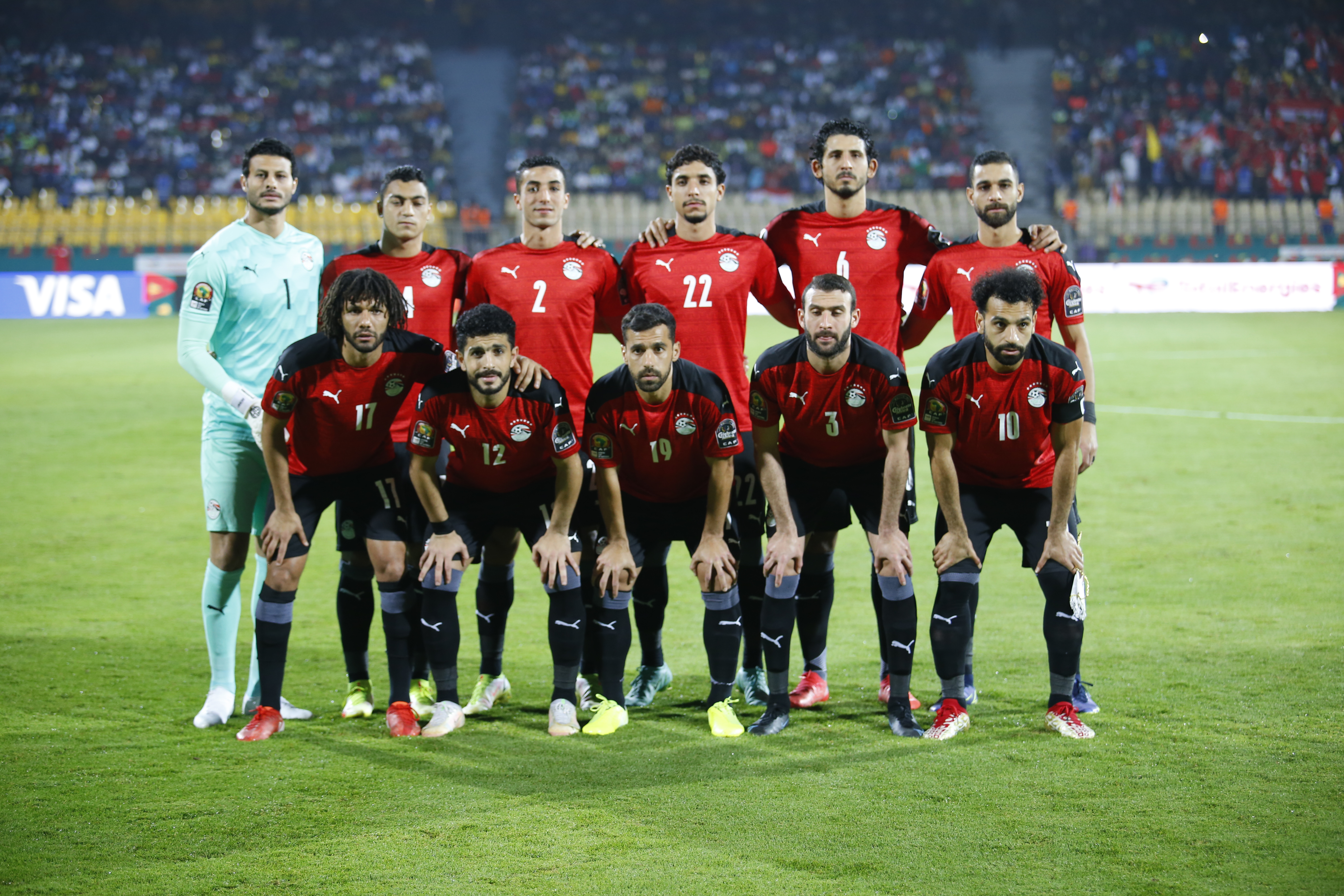
Belgium defeated the United States 4-1 on Monday in Seattle, eliminating the U.S. from the World Cup [1].
The loss marks a significant exit for the tournament hosts and coincides with a growing controversy regarding FIFA's adherence to its own disciplinary rules. The match has drawn scrutiny not only for the scoreline but for the political pressure applied to the governing body of soccer.
Striker Folarin Balogun played in the round-of-16 match despite a previous red-card suspension [2]. FIFA permitted Balogun to participate after the intervention of President Donald Trump [2]. This decision sparked widespread outrage and accusations of unfair play, as the suspension should have legally sidelined the player.
On the pitch, Belgium dominated the contest. Charles De Ketelaere led the effort for the Belgian side, recording two goals and one assist [3]. The definitive victory ensured Belgium's advancement to the quarterfinals while ending the U.S. campaign on home soil.
This result completes a disappointing run for the tournament's host nations. With the U.S. exit, all three co-host nations, the United States, Canada, and Mexico, have now been eliminated from the competition [1].
The match was held in Seattle, where the U.S. struggled to maintain a lead early in the game before the Belgian offense took control [4]. While the U.S. sought a path to the quarterfinals, the 4-1 deficit proved insurmountable [1].
“Belgium defeated the United States 4-1 on Monday in Seattle, eliminating the U.S. from the World Cup”
The elimination of all three co-hosts is a rare occurrence in World Cup history, potentially impacting viewership and revenue for the remainder of the tournament. More significantly, the reported intervention of a head of state in a FIFA disciplinary matter challenges the perceived autonomy of international sports governance and may lead to formal protests from other member nations.