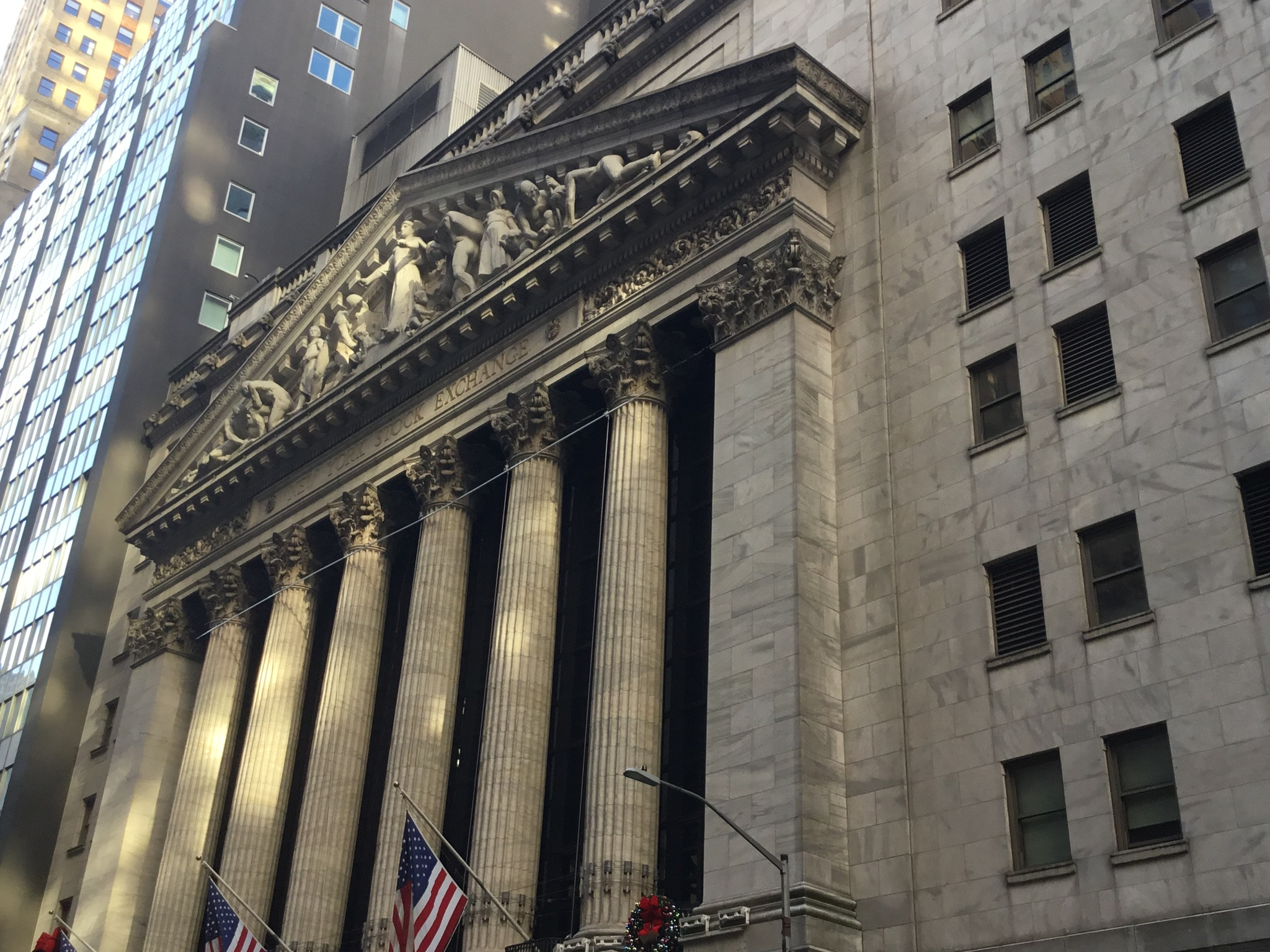
Fixed-income investors are penalizing companies with heavy artificial intelligence capital expenditure budgets while rewarding those with lighter spending models [1].
This shift indicates a growing skepticism regarding the immediate returns on massive AI investments. As credit spreads widen for heavy spenders, the cost of borrowing increases, potentially limiting the ability of tech giants to fund further expansion without facing higher market penalties [2].
Market anxiety is centering on companies that have committed significant resources to AI infrastructure, including Alphabet, Amazon.com, and Meta Platforms [1]. In the U.S. fixed-income market, investors are increasingly viewing these large-scale capital expenditures as a primary driver of credit risk [2].
Because these budgets are perceived as risky, bondholders are demanding higher yields to compensate for the potential instability associated with such high spending [1]. This trend has created a divergence in the market, where firms utilizing "capex-lite" business models are seeing more favorable terms from investors [1].
Analysts said that the widening of credit spreads for AI-heavy firms reflects a transition in sentiment. Investors are no longer rewarding the mere promise of AI integration but are instead scrutinizing the financial burden required to achieve it [2]. This movement suggests a preference for efficiency and sustainable growth over aggressive, high-cost infrastructure builds [1].
The trend highlights a tension between the strategic necessity of AI development and the fiscal discipline demanded by the bond market [2]. While technology companies continue to race for AI dominance, the financial mechanisms supporting that race are becoming more restrictive as risk profiles are reassessed [1].
“Investors are penalising firms that are spending heavily on artificial‑intelligence capital expenditures.”
The shift in the bond market suggests that the 'honeymoon phase' of AI investment has ended. Investors are now moving from a growth-at-all-costs mindset to a risk-management approach, where the high cost of hardware and energy for AI is viewed as a liability rather than an asset. This may force AI-heavy companies to either prove rapid monetization of their investments or scale back their capital expenditures to stabilize their credit ratings.

'%2F%3E%0A%20%20%20%20%3Crect%20width%3D'1600'%20height%3D'900'%20fill%3D'url(%23v)'%2F%3E%0A%20%20%20%20%3Cg%20opacity%3D'0.08'%20fill%3D'%23ffffff'%3E%0A%20%20%20%20%20%20%3Ccircle%20cx%3D'1420'%20cy%3D'180'%20r%3D'220'%2F%3E%0A%20%20%20%20%20%20%3Ccircle%20cx%3D'1500'%20cy%3D'760'%20r%3D'120'%2F%3E%0A%20%20%20%20%3C%2Fg%3E%0A%20%20%20%20%3Cline%20x1%3D'80'%20y1%3D'172'%20x2%3D'220'%20y2%3D'172'%20stroke%3D'%23ffffff'%20stroke-width%3D'3'%20stroke-opacity%3D'0.6'%2F%3E%0A%20%20%20%20%3Ctext%20x%3D'80'%20y%3D'140'%20font-family%3D'Inter%2C%20-apple-system%2C%20Helvetica%2C%20sans-serif'%20font-weight%3D'700'%20font-size%3D'28'%20fill%3D'%23ffffff'%20letter-spacing%3D'6'%3EHANNA%20%C2%B7%20NEWS%3C%2Ftext%3E%0A%20%20%20%20%3Ctext%20x%3D'80'%20y%3D'230'%20font-family%3D'Inter%2C%20-apple-system%2C%20Helvetica%2C%20sans-serif'%20font-weight%3D'600'%20font-size%3D'40'%20fill%3D'%23ffffffb3'%20letter-spacing%3D'4'%3EBUSINESS%3C%2Ftext%3E%0A%20%20%20%20%3Ctext%20x%3D'80'%20y%3D'571'%20font-family%3D'Playfair%20Display%2C%20Georgia%2C%20serif'%20font-weight%3D'800'%20font-size%3D'72'%20fill%3D'%23ffffff'%20letter-spacing%3D'-1'%3EFormer%20ISRO%20Scientist%3C%2Ftext%3E%3Ctext%20x%3D'80'%20y%3D'654'%20font-family%3D'Playfair%20Display%2C%20Georgia%2C%20serif'%20font-weight%3D'800'%20font-size%3D'72'%20fill%3D'%23ffffff'%20letter-spacing%3D'-1'%3ECo-Founds%20Skyroot%20Aerospace%3C%2Ftext%3E%3Ctext%20x%3D'80'%20y%3D'737'%20font-family%3D'Playfair%20Display%2C%20Georgia%2C%20serif'%20font-weight%3D'800'%20font-size%3D'72'%20fill%3D'%23ffffff'%20letter-spacing%3D'-1'%3Eto%20Privatize%20Indian%20Space%3C%2Ftext%3E%3Ctext%20x%3D'80'%20y%3D'820'%20font-family%3D'Playfair%20Display%2C%20Georgia%2C%20serif'%20font-weight%3D'800'%20font-size%3D'72'%20fill%3D'%23ffffff'%20letter-spacing%3D'-1'%3EFlight%3C%2Ftext%3E%0A%20%20%20%20%3Ctext%20x%3D'80'%20y%3D'870'%20font-family%3D'Inter%2C%20-apple-system%2C%20Helvetica%2C%20sans-serif'%20font-weight%3D'500'%20font-size%3D'22'%20fill%3D'%23ffffff66'%20letter-spacing%3D'2'%3Enews.hanna-ai.com%3C%2Ftext%3E%0A%20%20%3C%2Fsvg%3E)
