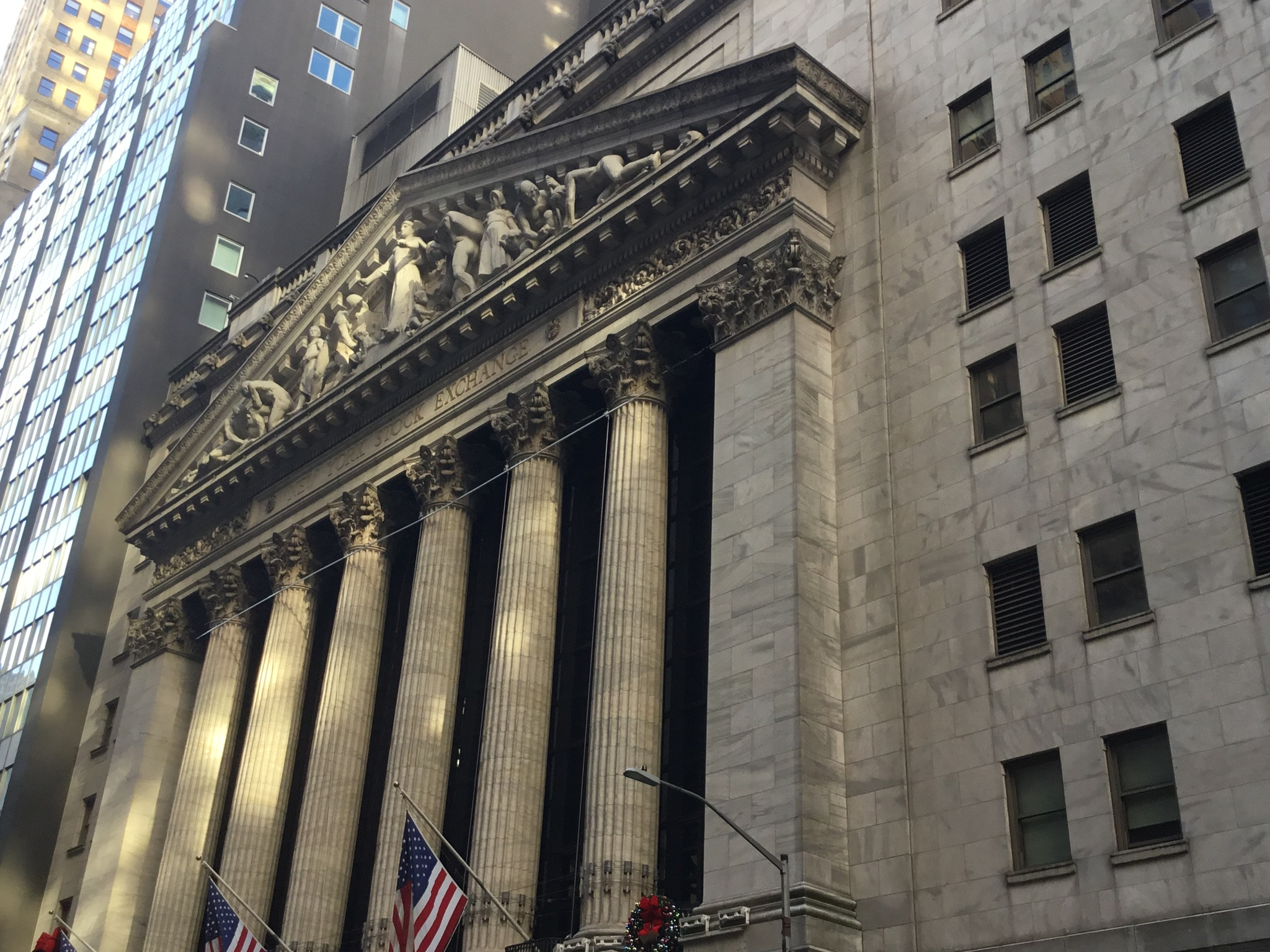
The 30-year U.S. Treasury yield is trading near its highest level in 19 years [1].
This divergence suggests a significant disconnect between bond market stress and equity market optimism. While long-term yields typically signal rising borrowing costs and inflationary pressure, stock investors have not adjusted their valuations accordingly.
The S&P 500 remains within two percent of its all-time high [2]. This resilience in the equity market occurs despite the signals coming from the U.S. Treasury market in New York City, where long-term debt is becoming more expensive to issue and hold [1].
Rising yields on the 30-year Treasury bond generally act as a warning sign for the broader economy. When yields climb, the cost of capital increases for both corporations and consumers, a factor that usually weighs on corporate profits and stock prices [1].
However, Wall Street participants have largely ignored these alarms. The persistence of the S&P 500 near record levels indicates that equity investors may be prioritizing current corporate earnings or other growth drivers over the macroeconomic warnings issued by the bond market [1, 2].
The gap between these two major asset classes creates a precarious environment for investors. If the equity market eventually corrects to align with the bond market's outlook, the resulting volatility could be substantial [1].
“The 30-year U.S. Treasury yield is trading near its highest level in 19 years”
The disconnect between the bond and stock markets indicates a conflict in economic forecasting. The bond market is pricing in long-term risks, such as inflation and higher borrowing costs, while the stock market is pricing in continued growth. This tension often precedes a market correction when the reality of higher interest rates finally impacts corporate profitability.


