The U.S. will designate Brazil's Primeiro Comando da Capital (PCC) and Comando Vermelho (CV) as terrorist organizations to combat their activities [1].
This move represents a significant escalation in how the U.S. addresses organized crime in South America. By applying a terrorism label, the U.S. government can utilize a broader array of legal and financial tools to freeze assets, and restrict the movement of individuals associated with these groups.
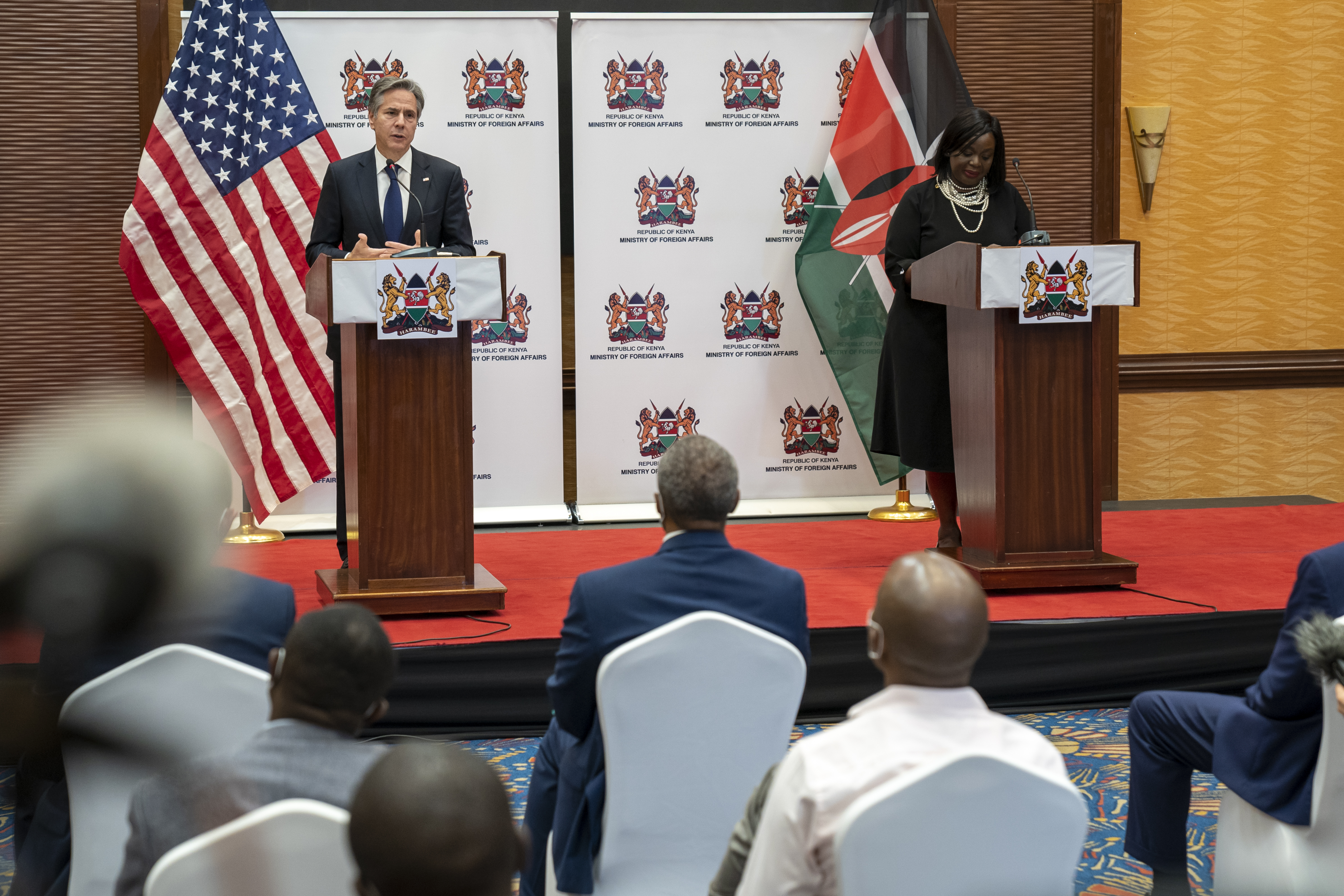
Amanda Roberson, a spokesperson for the U.S. Department of State, said in an interview with CNN Brazil that President Donald Trump wants to "eliminate" these criminal groups. Roberson said the administration will use all available tools to protect U.S. security and combat groups operating in the region.
"The president Trump has made it very clear since the beginning of his term that he will use all the tools at our disposal to combat these criminal groups that are acting in our region and to protect the security of the United States," Roberson said.
A primary objective of the designation is to target the money fueling the gangs. Roberson said the goal is to disrupt the illicit financial networks that fund these groups [2]. This strategy aims to break the operational capacity of the PCC and CV by cutting off their access to global banking and trade systems.
While the U.S. has moved toward this classification, the coordination between the two nations remains a point of contention. Bloomberg reported that the classification aligns with the president's stated intentions [1]. However, Brazilian President Luiz Inácio Lula da Silva said he did not discuss the classification with President Trump [3].
The U.S. State Department maintains that these measures are necessary to address threats that extend beyond Brazil's borders, affecting regional stability and U.S. national interests.
“"Our goal is to disrupt the illicit financial networks that fund these groups."”
The shift from treating the PCC and CV as mere narcotics trafficking organizations to designating them as terrorist entities allows the U.S. to employ the Patriot Act and other counter-terrorism statutes. This provides the Treasury Department with expanded powers to seize assets and sanction third-party facilitators. It also signals a more aggressive U.S. foreign policy toward Latin American security, potentially straining diplomatic relations if Brazil views the move as an infringement on its sovereign policing authority.