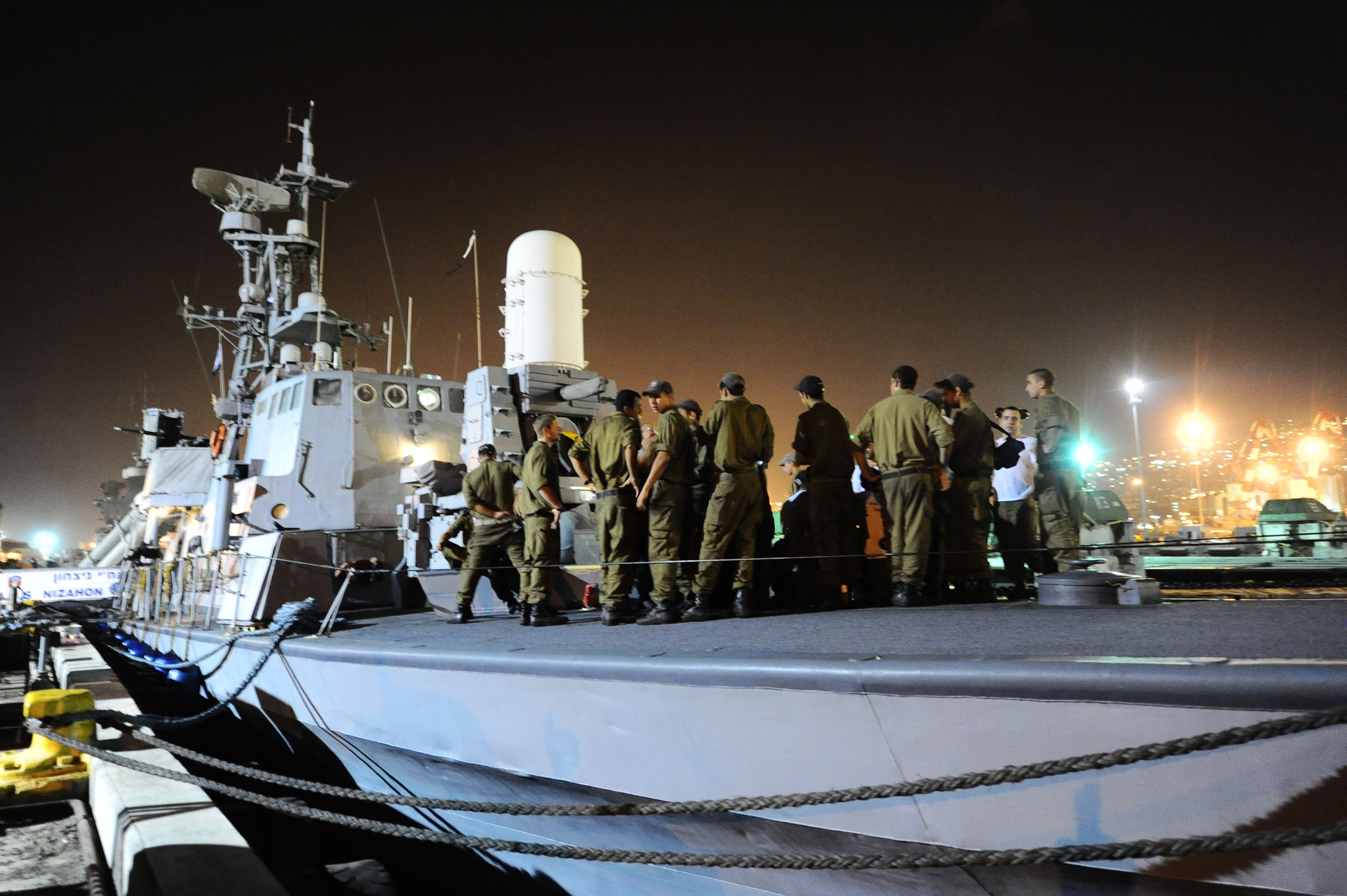
U.S. Central Command redirected 45 commercial ships in international waters to ensure compliance with the blockade imposed on Iran [1].
This escalation signals a tightening of the U.S. economic strategy against Tehran. By physically intervening in the transit of commercial vessels, the U.S. is shifting from passive monitoring to active enforcement of its sanctions regime.
U.S. military officials said the operation was designed to prevent the breach of the blockade. The redirection of these 45 vessels [1] serves as a mechanism to ensure that commercial trade does not bypass the restrictions placed on Iran.
President Donald Trump criticized current proposals to negotiate with Tehran. The administration's approach emphasizes maximum pressure over diplomatic concessions, a strategy mirrored by the continued presence of naval patrols in international waters.
Central Command said patrols will continue to operate in these maritime zones. The objective remains the strict application of the U.S. blockade to prevent the flow of prohibited goods, and services to the Iranian government [1].
While the specific identities of the diverted ships were not disclosed, the move indicates a high level of surveillance over commercial shipping lanes. The U.S. maintains that these actions are necessary to uphold international security and the integrity of the sanctions framework [1].
“U.S. Central Command redirected 45 commercial ships in international waters.”
The redirection of commercial shipping demonstrates a transition toward more aggressive maritime enforcement. By utilizing the U.S. Navy to physically alter the course of vessels, the administration is attempting to close loopholes in the sanctions regime that diplomatic pressure alone failed to address, potentially increasing tensions in critical shipping corridors.


