The United States and China expressed shared anxiety over the deadliest risks posed by artificial intelligence during a United Nations conference in Geneva [1, 2].
This alignment is significant because it marks a rare point of agreement between the two superpowers. While they remain rivals in most global arenas, the potential for AI to enable catastrophic cyber and biological attacks represents a mutual threat that transcends strategic competition.
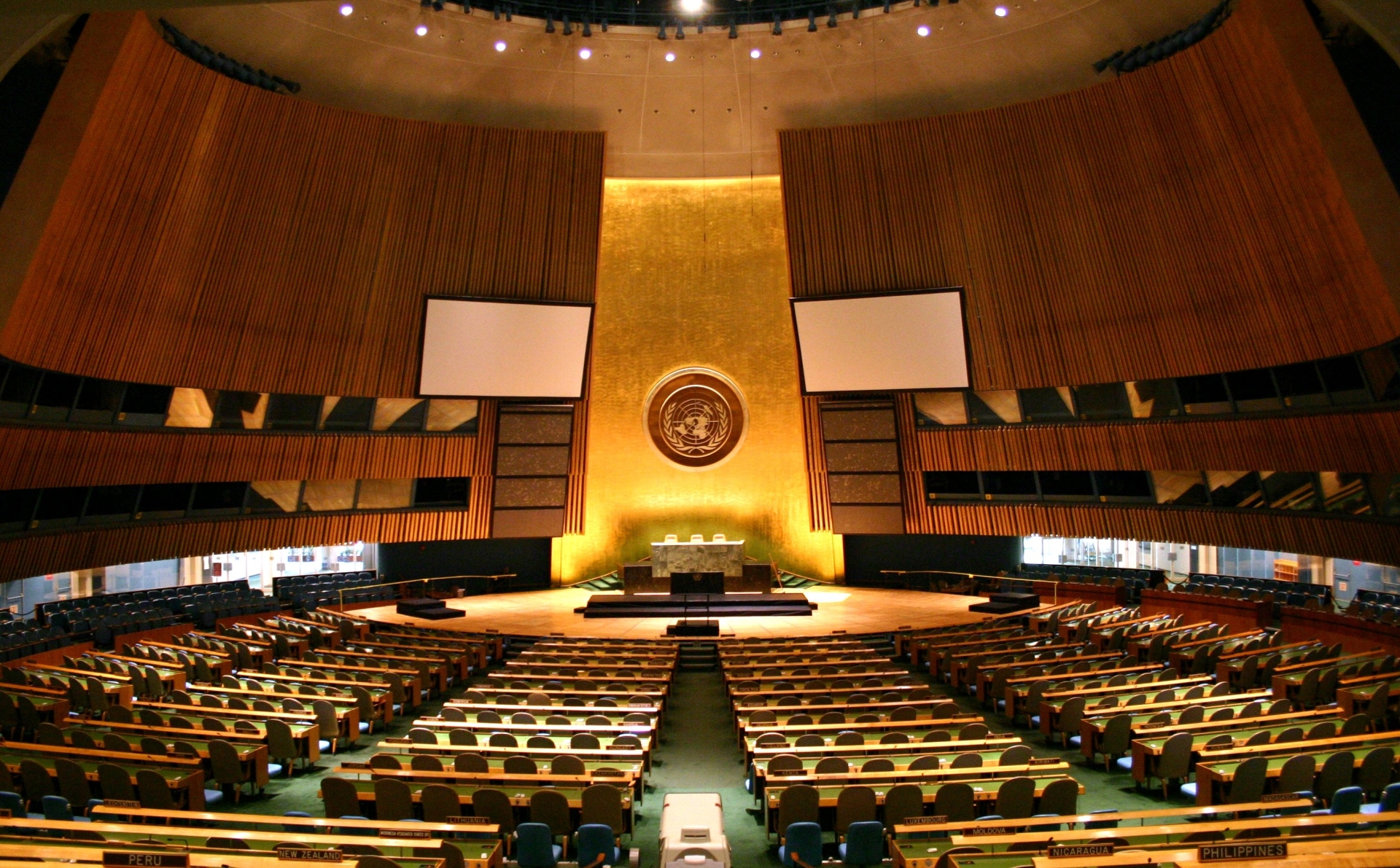
The discussions took place in June 2026 at the United Nations Global Conference on AI, Security, and Ethics [1, 2]. Both nations emphasized that AI-enabled biological threats and cyberattacks are the most dangerous potential harms currently facing the international community [1, 2].
Mark Minevich said that the United States and China agree on almost nothing except AI’s deadliest risks [2]. The shared concern has prompted calls for a permanent communication channel to manage these specific existential dangers.
R. David Edelman, who has seven years of experience in track-II AI dialogue [1], highlighted the necessity of this cooperation. Edelman said, "We need sustained dialogue on AI, even as strategic competition deepens, because the cyber and biological risks are shared concerns" [1].
The convergence in Geneva suggests that both Washington and Beijing view the acceleration of AI capabilities as a risk that could outpace their individual ability to contain it. This has led to a cautious push for international norms and safeguards, even as the two countries continue to compete for technological dominance in other sectors [1, 2].
“The United States and China agree on almost nothing except AI’s deadliest risks.”
The rare consensus between the U.S. and China indicates that the perceived threat of AI-driven biological or cyber warfare has reached a threshold where it outweighs traditional geopolitical rivalry. By isolating 'deadliest risks' from broader economic or political disputes, both nations are attempting to create a 'safety floor' to prevent accidental or intentional global catastrophes while continuing to compete for AI supremacy.


