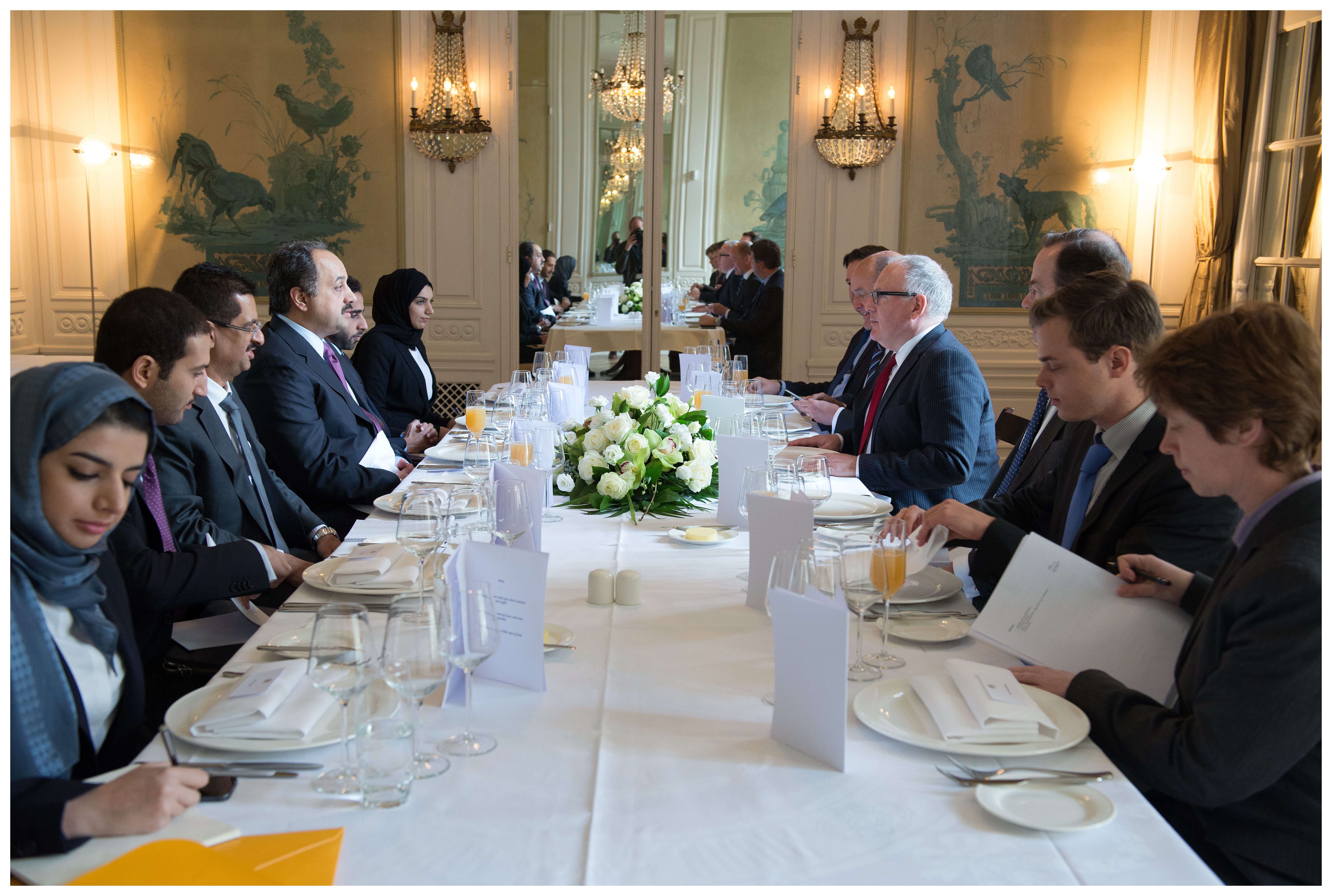
The U.S. president and Chinese President Xi Jinping met in Beijing for 135 minutes [1] to discuss stability and the status of Taiwan.
The meeting marks a critical attempt to prevent military escalation in the Taiwan Strait. Because the two nations are the world's largest economies, a diplomatic failure regarding Taiwan could trigger a global security crisis, and disrupt international trade.
The leaders met for the first time in seven months, a gap in communication attributed to the war in Iran [3]. While much of the discussion remained private, reports indicate the session involved intense debates over Taiwan. The focus remained on resolving differences to ensure peace in the region.
Xi Jinping addressed the volatility of current global affairs during the summit. "The international situation is tangled with upheavals, and the world stands at a new crossroads," Xi said [2].
Chinese officials warned that the handling of Taiwan remains a volatile flashpoint for the bilateral relationship. Guo Zhaoxun, a spokesperson for the Chinese Foreign Ministry, said that if the issue is handled incorrectly, the two countries could clash or even collide, which would put the entire U.S.-China relationship in a very dangerous position [3].
The dialogue attempted to establish guardrails against accidental conflict. However, the intensity of the debate suggests that fundamental disagreements over sovereignty and security alliances persist despite the lengthy session.
“The international situation is tangled with upheavals, and the world stands at a new crossroads.”
The seven-month hiatus in leadership communication, caused by the conflict in Iran, has left a diplomatic void that increases the risk of miscalculation. The explicit warning from the Chinese Foreign Ministry suggests that Beijing views current US policy toward Taiwan as a primary trigger for potential military conflict, indicating that the 'guardrails' discussed in Beijing remain fragile.