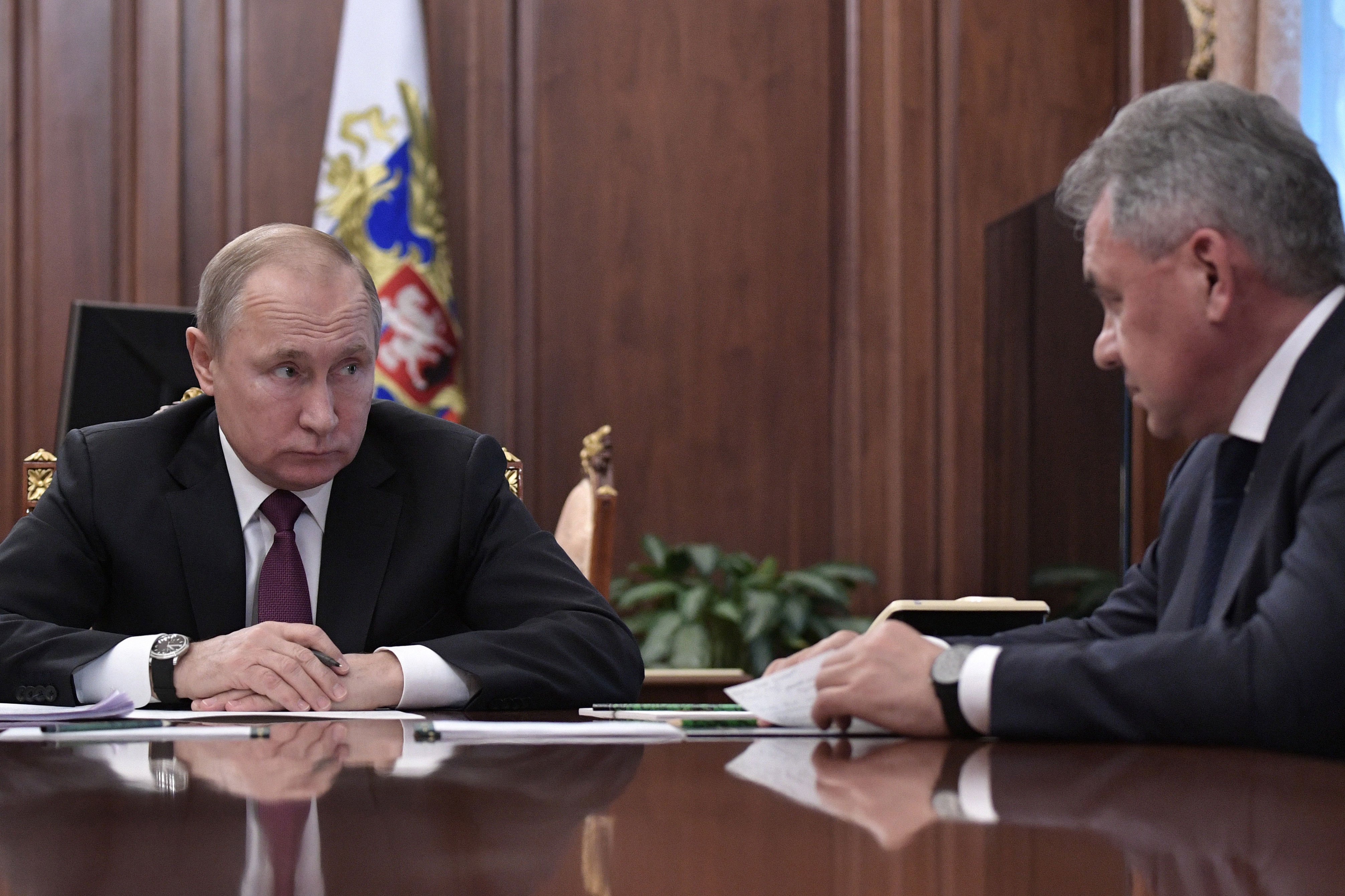
U.S. Secretary of State Antony Blinken and Chinese Foreign Minister Wang Yi held a bilateral meeting in the Philippines on July 22 [1].
The meeting serves as a critical diplomatic precursor to a planned summit between the leaders of the U.S. and China. This high-level engagement occurs as both nations navigate complex tensions regarding regional security and territorial disputes in Asia.
The officials focused their discussions on the logistics and objectives of the U.S.-China summit scheduled for September [2]. Blinken said they held many discussions to ensure a constructive visit for the upcoming summit [1].
Taiwan remained a central point of contention during the talks. Wang Yi said the U.S. must adhere to the "One China" principle, which asserts that Taiwan is an inseparable part of Chinese territory [1].
The choice of the Philippines as a venue for the meeting is notable given the strategic importance of the archipelago in the broader geopolitical struggle for influence in the Pacific. Both diplomats used the session to address immediate concerns, and establish a framework for the September meeting [2].
While the two sides maintain divergent views on the status of Taiwan, the willingness to engage in bilateral talks suggests a mutual interest in preventing further escalation. The discussions in the Philippines are intended to stabilize the relationship before the heads of state meet later this year [2].
“Blinken said they held many discussions to ensure a constructive visit for the upcoming summit”
This meeting indicates that despite deep-seated ideological and territorial disagreements, both Washington and Beijing are prioritizing the stability of their diplomatic channels. By coordinating the September summit in a third-party location like the Philippines, the two powers are attempting to manage volatility and maintain a predictable relationship to avoid accidental conflict.

'%2F%3E%0A%20%20%20%20%3Crect%20width%3D'1600'%20height%3D'900'%20fill%3D'url(%23v)'%2F%3E%0A%20%20%20%20%3Cg%20opacity%3D'0.08'%20fill%3D'%23ffffff'%3E%0A%20%20%20%20%20%20%3Ccircle%20cx%3D'1420'%20cy%3D'180'%20r%3D'220'%2F%3E%0A%20%20%20%20%20%20%3Ccircle%20cx%3D'1500'%20cy%3D'760'%20r%3D'120'%2F%3E%0A%20%20%20%20%3C%2Fg%3E%0A%20%20%20%20%3Cline%20x1%3D'80'%20y1%3D'172'%20x2%3D'220'%20y2%3D'172'%20stroke%3D'%23ffffff'%20stroke-width%3D'3'%20stroke-opacity%3D'0.6'%2F%3E%0A%20%20%20%20%3Ctext%20x%3D'80'%20y%3D'140'%20font-family%3D'Inter%2C%20-apple-system%2C%20Helvetica%2C%20sans-serif'%20font-weight%3D'700'%20font-size%3D'28'%20fill%3D'%23ffffff'%20letter-spacing%3D'6'%3EHANNA%20%C2%B7%20NEWS%3C%2Ftext%3E%0A%20%20%20%20%3Ctext%20x%3D'80'%20y%3D'230'%20font-family%3D'Inter%2C%20-apple-system%2C%20Helvetica%2C%20sans-serif'%20font-weight%3D'600'%20font-size%3D'40'%20fill%3D'%23ffffffb3'%20letter-spacing%3D'4'%3EWORLD%3C%2Ftext%3E%0A%20%20%20%20%3Ctext%20x%3D'80'%20y%3D'622'%20font-family%3D'Playfair%20Display%2C%20Georgia%2C%20serif'%20font-weight%3D'800'%20font-size%3D'86'%20fill%3D'%23ffffff'%20letter-spacing%3D'-1'%3EDelhi%20Police%20and%20CJP%3C%2Ftext%3E%3Ctext%20x%3D'80'%20y%3D'721'%20font-family%3D'Playfair%20Display%2C%20Georgia%2C%20serif'%20font-weight%3D'800'%20font-size%3D'86'%20fill%3D'%23ffffff'%20letter-spacing%3D'-1'%3EProtesters%20Clash%20at%20Jantar%3C%2Ftext%3E%3Ctext%20x%3D'80'%20y%3D'820'%20font-family%3D'Playfair%20Display%2C%20Georgia%2C%20serif'%20font-weight%3D'800'%20font-size%3D'86'%20fill%3D'%23ffffff'%20letter-spacing%3D'-1'%3EMantar%3C%2Ftext%3E%0A%20%20%20%20%3Ctext%20x%3D'80'%20y%3D'870'%20font-family%3D'Inter%2C%20-apple-system%2C%20Helvetica%2C%20sans-serif'%20font-weight%3D'500'%20font-size%3D'22'%20fill%3D'%23ffffff66'%20letter-spacing%3D'2'%3Enews.hanna-ai.com%3C%2Ftext%3E%0A%20%20%3C%2Fsvg%3E)