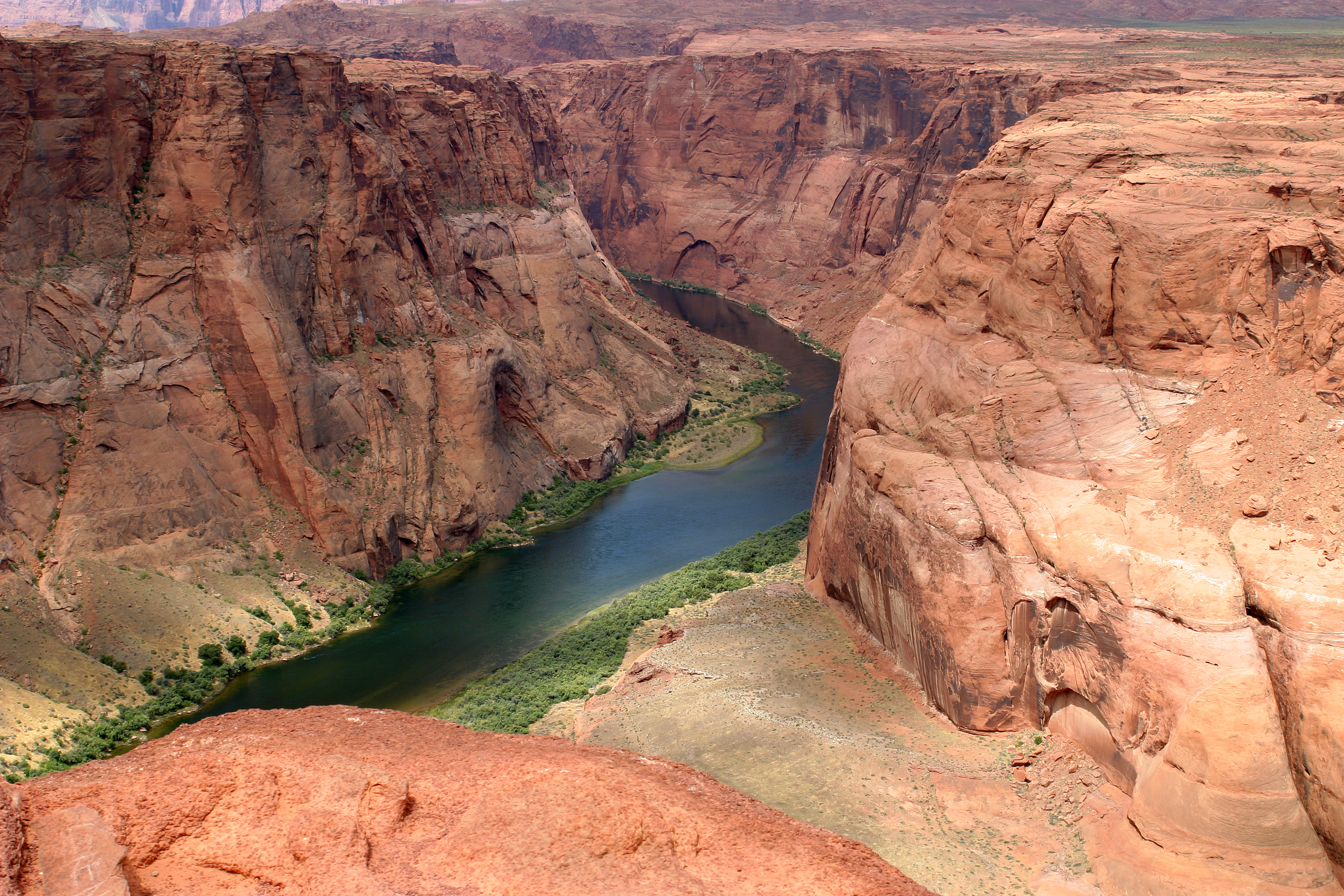
The U.S. government proposed a plan on Friday, July 31, 2026, to cut up to 40% [1] of Colorado River water deliveries to Arizona, California, and Nevada.
These proposed reductions aim to prevent the collapse of critical water reservoirs. Because the Colorado River serves as a primary water source for millions of people and vast agricultural sectors, deep cuts could disrupt food production and urban water security across the American Southwest.
Federal officials released the proposal to address the drought-stricken state of the river and manage shortages that occur during dry years [1], [2]. The plan focuses on stabilizing the basin by reducing the amount of water diverted to the lower basin states, specifically Arizona, California, and Nevada [1], [2].
While some reports indicate the cuts primarily target these three states [1], other assessments suggest the broader impact of water management decisions could eventually affect seven states across the basin [3]. The discrepancy highlights the complexity of the river's interstate compacts and the tension between upstream and downstream users.
Government officials said the measures are necessary to ensure the long-term viability of the river system. The plan arrives as the region continues to struggle with chronic water scarcity and fluctuating precipitation levels [3].
Officials said the proposal is part of a larger effort to manage the river during prolonged dry periods. The 40% [1] reduction represents one of the most aggressive proposed cuts to date, reflecting the severity of the current hydrological crisis in the West.
“The U.S. government proposed a plan to cut up to 40% of Colorado River water deliveries.”
This proposal signals a shift from voluntary conservation to mandatory federal intervention. By targeting Arizona, California, and Nevada, the U.S. government is prioritizing the structural integrity of the river's reservoirs over the immediate water rights of the lower basin. If implemented, these cuts will likely force a transition toward more expensive water-recycling technology and a reduction in water-intensive crop farming in the region.