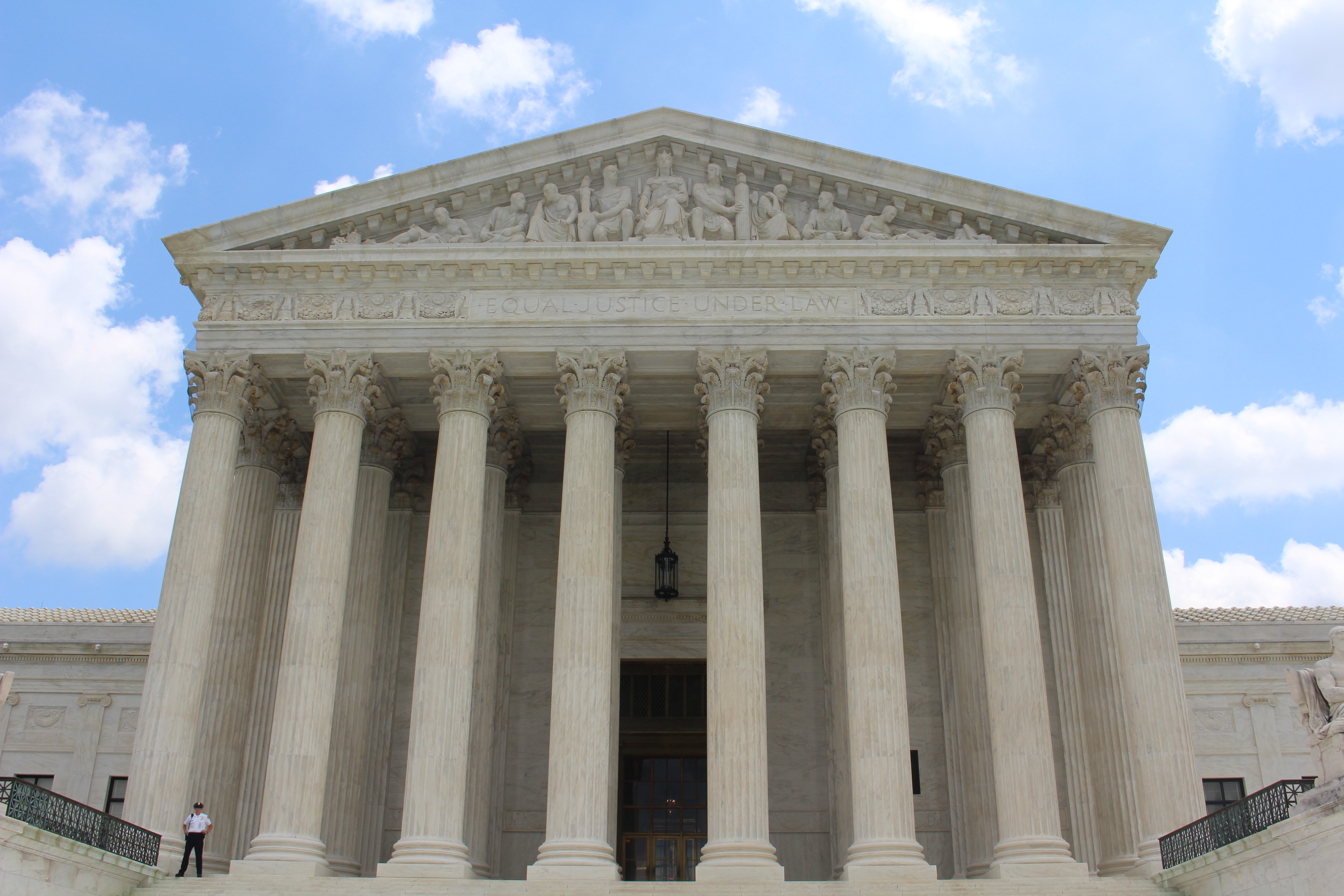
U.S. companies, including FedEx and Bausch Health, are seeking refunds for tariffs that the Supreme Court ruled illegal [1, 2].
This movement represents a significant attempt by major corporations to recoup financial losses from trade policies that were later deemed unlawful. The race for refunds highlights a growing tension between corporate financial recovery and government administration.
The push for these refunds began in 2024 [3]. The legal basis for these claims stems from a Supreme Court decision that declared the tariffs illegal, prompting firms to file for the return of paid duties [1, 3].
However, the process has not been seamless. Some refund requests are being denied by the government [3]. This creates a disparity among the companies attempting to recover their funds, as some are successful while others face administrative rejection.
Companies like FedEx and Bausch Health are among those navigating this process [1, 2]. The effort to secure these funds is described as a race, as firms move to claim their portions of the illegal levies [1].
These legal battles underscore the volatility of trade policy and the subsequent financial risks for companies that comply with regulations that are later overturned by the highest court in the U.S. [2].
“U.S. companies, including FedEx and Bausch Health, are seeking refunds for tariffs that the Supreme Court ruled illegal”
This situation illustrates the financial lag between a judicial ruling and the actual recovery of funds. While the Supreme Court may invalidate a tax or tariff, the executive branch's willingness to issue refunds can vary, potentially leading to further litigation between the U.S. government and the private sector over the definition of 'illegal' levies.

'%2F%3E%0A%20%20%20%20%3Crect%20width%3D'1600'%20height%3D'900'%20fill%3D'url(%23v)'%2F%3E%0A%20%20%20%20%3Cg%20opacity%3D'0.08'%20fill%3D'%23ffffff'%3E%0A%20%20%20%20%20%20%3Ccircle%20cx%3D'1420'%20cy%3D'180'%20r%3D'220'%2F%3E%0A%20%20%20%20%20%20%3Ccircle%20cx%3D'1500'%20cy%3D'760'%20r%3D'120'%2F%3E%0A%20%20%20%20%3C%2Fg%3E%0A%20%20%20%20%3Cline%20x1%3D'80'%20y1%3D'172'%20x2%3D'220'%20y2%3D'172'%20stroke%3D'%23ffffff'%20stroke-width%3D'3'%20stroke-opacity%3D'0.6'%2F%3E%0A%20%20%20%20%3Ctext%20x%3D'80'%20y%3D'140'%20font-family%3D'Inter%2C%20-apple-system%2C%20Helvetica%2C%20sans-serif'%20font-weight%3D'700'%20font-size%3D'28'%20fill%3D'%23ffffff'%20letter-spacing%3D'6'%3EHANNA%20%C2%B7%20NEWS%3C%2Ftext%3E%0A%20%20%20%20%3Ctext%20x%3D'80'%20y%3D'230'%20font-family%3D'Inter%2C%20-apple-system%2C%20Helvetica%2C%20sans-serif'%20font-weight%3D'600'%20font-size%3D'40'%20fill%3D'%23ffffffb3'%20letter-spacing%3D'4'%3EBUSINESS%3C%2Ftext%3E%0A%20%20%20%20%3Ctext%20x%3D'80'%20y%3D'622'%20font-family%3D'Playfair%20Display%2C%20Georgia%2C%20serif'%20font-weight%3D'800'%20font-size%3D'86'%20fill%3D'%23ffffff'%20letter-spacing%3D'-1'%3ESalman%20Rushdie%20Receives%3C%2Ftext%3E%3Ctext%20x%3D'80'%20y%3D'721'%20font-family%3D'Playfair%20Display%2C%20Georgia%2C%20serif'%20font-weight%3D'800'%20font-size%3D'86'%20fill%3D'%23ffffff'%20letter-spacing%3D'-1'%3ELiberatum%20Cultural%20Honour%20in%3C%2Ftext%3E%3Ctext%20x%3D'80'%20y%3D'820'%20font-family%3D'Playfair%20Display%2C%20Georgia%2C%20serif'%20font-weight%3D'800'%20font-size%3D'86'%20fill%3D'%23ffffff'%20letter-spacing%3D'-1'%3ELondon%3C%2Ftext%3E%0A%20%20%20%20%3Ctext%20x%3D'80'%20y%3D'870'%20font-family%3D'Inter%2C%20-apple-system%2C%20Helvetica%2C%20sans-serif'%20font-weight%3D'500'%20font-size%3D'22'%20fill%3D'%23ffffff66'%20letter-spacing%3D'2'%3Enews.hanna-ai.com%3C%2Ftext%3E%0A%20%20%3C%2Fsvg%3E)
