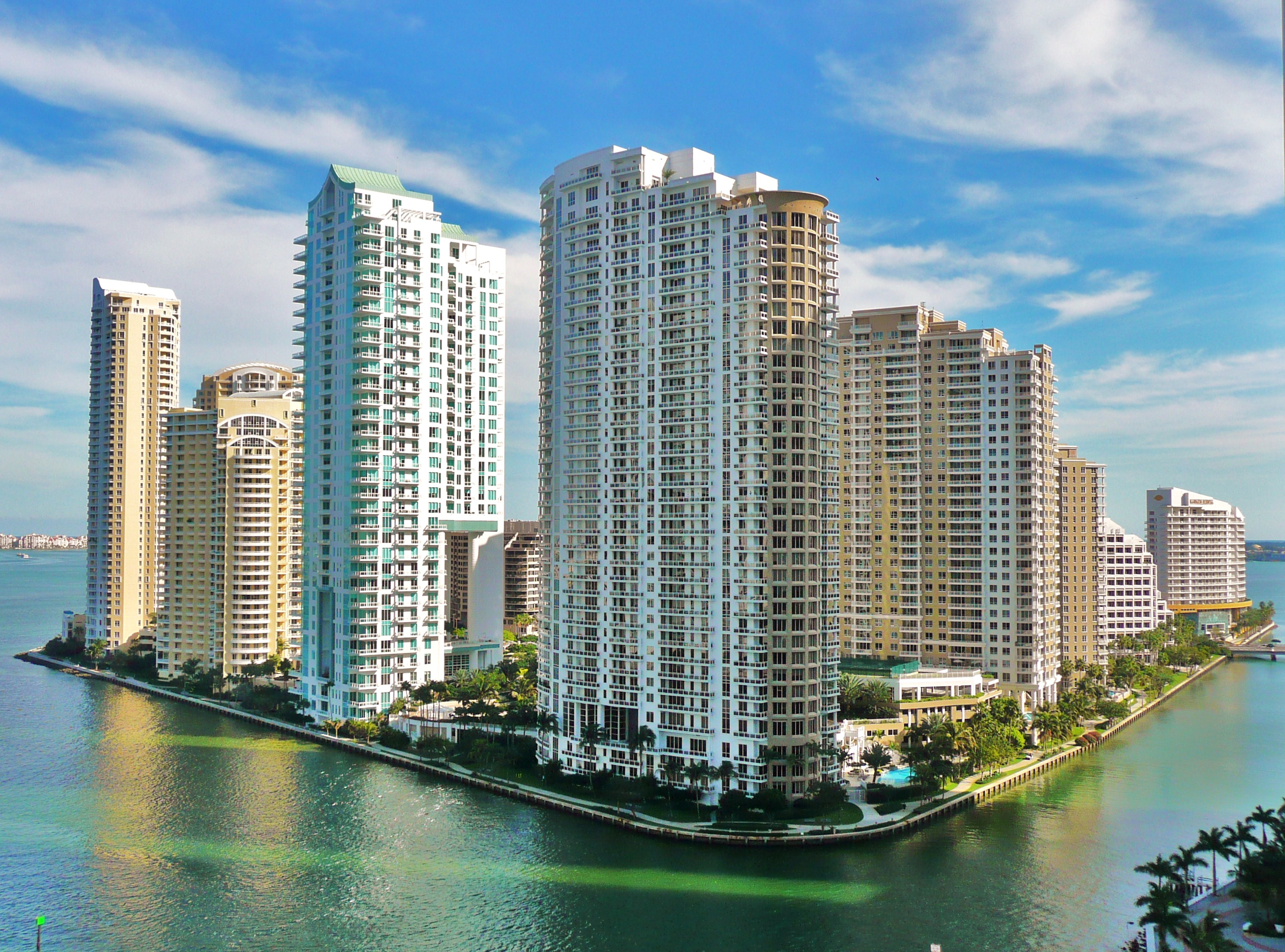
Condo list prices are decreasing in the U.S., but hidden ownership costs are rising for homebuyers and current owners [1, 2].
These financial pressures matter because they create a gap between the advertised price of a property and the actual cost of maintaining it. For many buyers, the lower entry price is offset by recurring expenses that can impact long-term affordability.
Market analysts said that while the sticker price may appear more attractive, the total cost of ownership is being driven upward by several factors. According to MarketWatch, "Condos are getting cheaper – but list prices don’t include this fast-growing hidden cost" [1].
Three primary drivers are contributing to this trend. First, new lending requirements are altering how buyers secure financing for these properties [1, 2]. Second, insurance premiums are rising, adding a significant monthly burden to homeowners [1, 2]. Finally, the physical state of the real estate market is playing a role, as aging buildings require more frequent and expensive repairs [1, 2].
These maintenance expenses often manifest as special assessments, or increased monthly dues. These costs are not reflected in the initial list price but are mandatory for residents to ensure the structural integrity and safety of their buildings [1, 2].
A reporter for MSN said, "New lending requirements, rising insurance premiums and aging buildings have contributed to the rising cost of condo ownership" [2].
As these hidden costs continue to grow, the perceived value of condos may shift. Buyers are increasingly required to look beyond the list price to understand the true financial commitment of a purchase [1, 2].
“Condos are getting cheaper – but list prices don’t include this fast-growing hidden cost”
The divergence between list prices and total ownership costs suggests a shift in the condo market where operational expenses are becoming as critical as the purchase price. This trend may lead to a higher failure rate in mortgage approvals if lenders account for these rising premiums and assessments, potentially slowing the velocity of condo sales despite lower asking prices.


