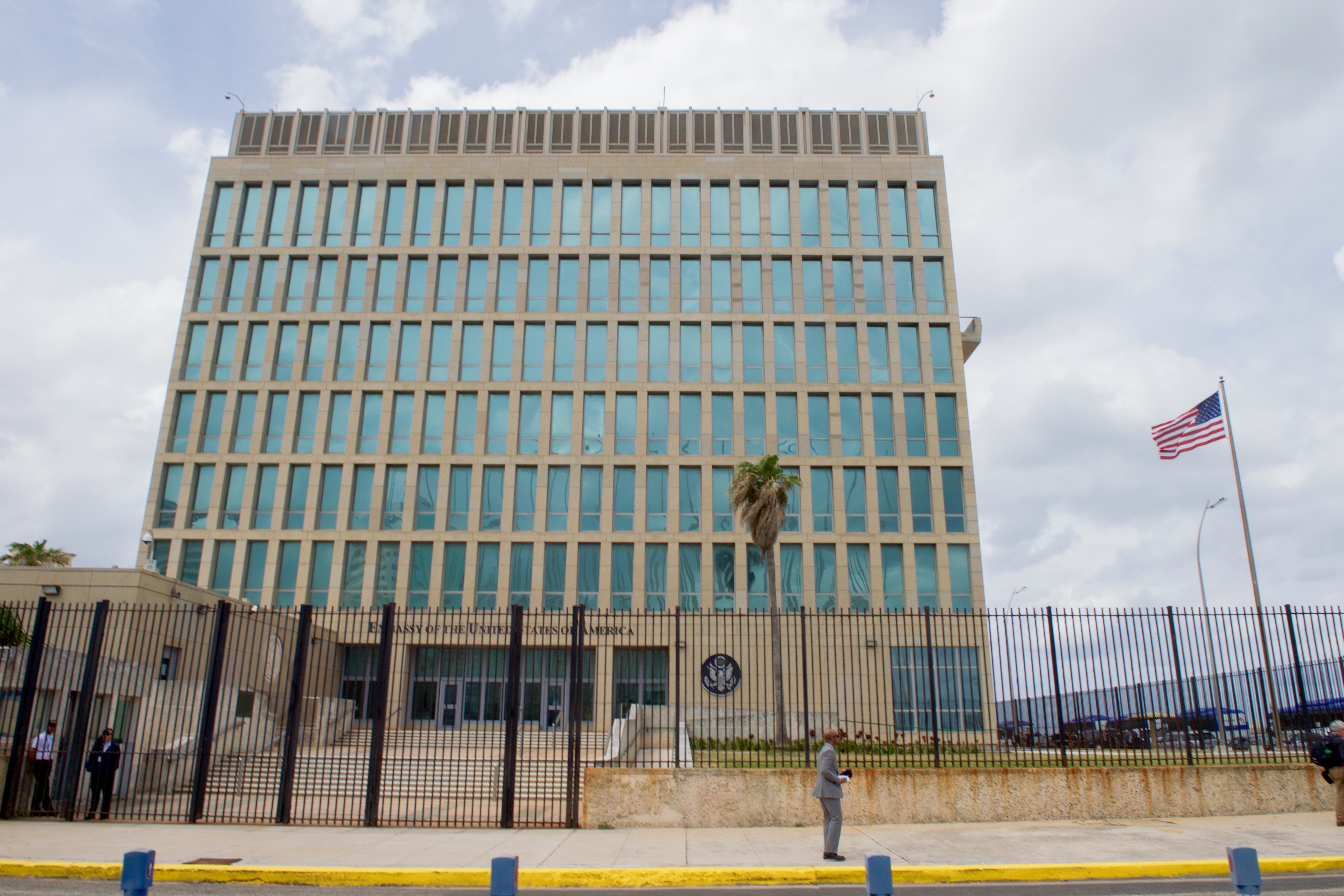
Senior Cuban and U.S. officials held diplomatic talks in Havana during April 2026 to discuss bilateral relations [1, 2].
These meetings signal a cautious attempt to resolve long-standing tensions between the two nations, specifically regarding economic restrictions and human rights. The dialogue occurs against a backdrop of stark contradictions between public rhetoric and private diplomacy.
Reports indicate a secret meeting took place on April 10, 2026 [3]. The discussions focused on the release of political prisoners and Cuba's desire to end the U.S. embargo and energy blockade [3, 5].
According to some reports, the U.S. issued a 14-day ultimatum requiring the release of high-profile political prisoners [3]. However, Cuban officials have publicly pushed back against these terms. A Cuban diplomat said, "Havana will not abide by any American 'ultimatums' to release political prisoners as part of new talks" [4].
Despite the diplomatic engagement, tensions remain high. While Cuba confirmed the presence of senior officials in Havana for these talks [1, 2], other reports indicate the Cuban president said the country is ready for a possible U.S. attack [6].
This mixture of secret diplomacy and public defiance highlights the precarious nature of the current relationship. The U.S. continues to leverage prisoner releases as a condition for engagement, while Cuba seeks the removal of economic sanctions as a primary goal [3, 5].
“Havana will not abide by any American 'ultimatums' to release political prisoners”
The duality of secret negotiations and public threats suggests that while both governments are exploring a diplomatic path, neither is ready to make the concessions necessary for a full rapprochement. The U.S. focus on human rights and Cuba's focus on the embargo remain the primary friction points that prevent a stable agreement.


