The U.S. dollar fell below the R$5.00 mark in the Brazilian foreign-exchange market during mid-April 2026 [1], [2], [4].
This shift represents a significant psychological and economic threshold for the Brazilian real. The breach of the R$5.00 level is the first time the currency has reached this low point in two years [4], marking a period of renewed strength for the local currency against the greenback.
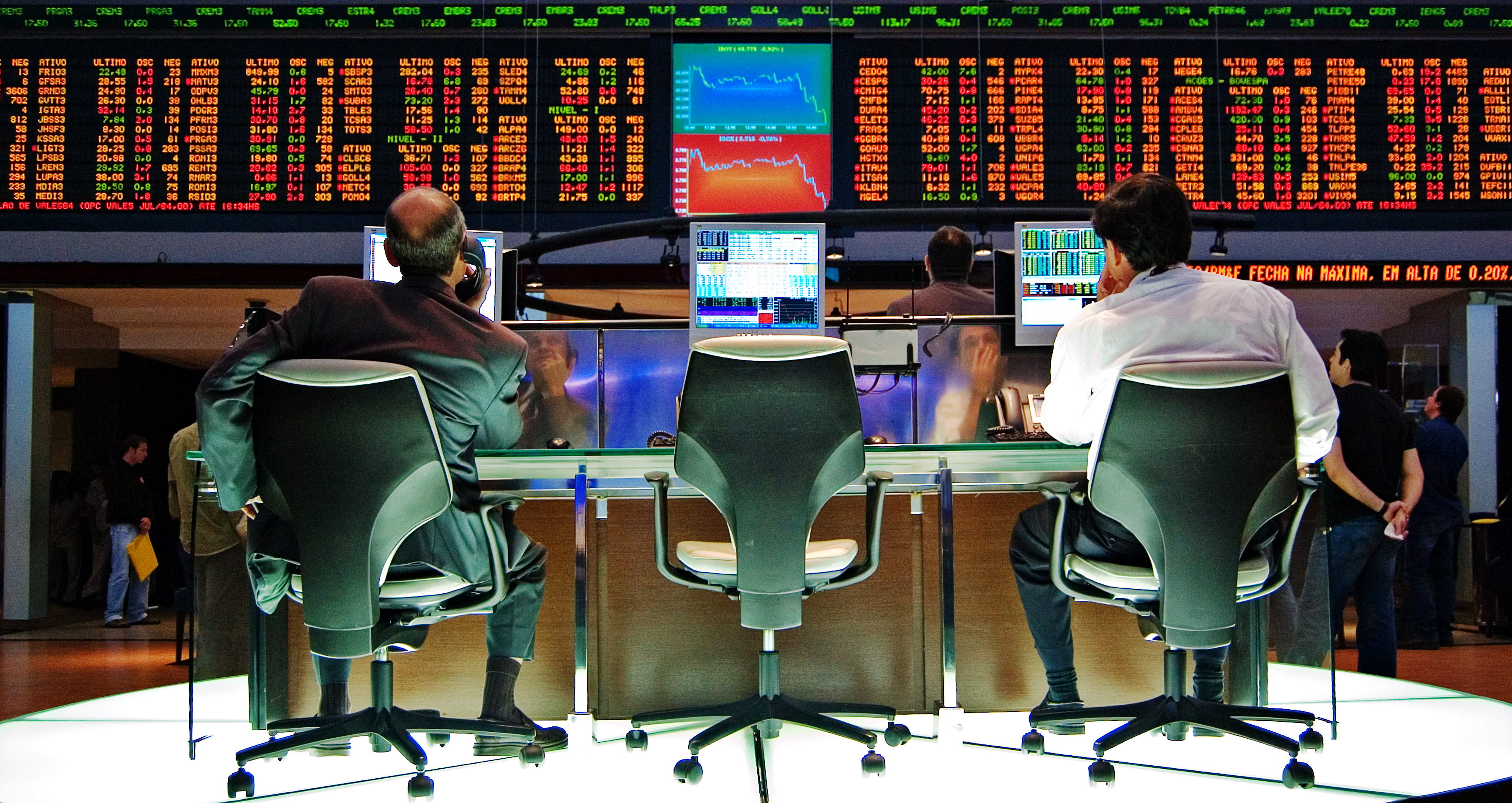
Market data from mid-April shows varying closing figures across reports. One recording placed the dollar at R$4.998 [1], while another report noted a close of R$5.01 [2]. Other market summaries confirmed the dollar closed stable below R$5.00 [5] and remained under that threshold while the Brazilian stock index fell 0.17% [6].
Denise Campos de Toledo said the decline is due to a combination of international factors. A primary driver is the optimism surrounding a possible agreement between the U.S. and Iran [5]. This potential diplomatic breakthrough has contributed to a reduction in global risk aversion, a trend that typically strengthens emerging market currencies.
Broader weakness in the U.S. dollar across international markets has further pressured the exchange rate [1], [3]. While some reports identify the drop occurring on April 10 [2], others cite April 13 [4], April 14 [5], or April 18 [1]. Despite these discrepancies in timing, the trend indicates a consistent move toward the lowest values seen since 2024 [2].
In related market movements, the dollar had previously closed below R$5.20 for the first time in nearly two years [3]. The current dip below R$5.00 suggests a more aggressive correction in the real-dollar pair, though the São Paulo stock exchange experienced simultaneous caution as global investors weighed geopolitical tensions [6].
“The breach of the R$5.00 level is the first time the currency has reached this low point in two years.”
The descent of the U.S. dollar below R$5.00 signals a shift in investor sentiment toward Brazil, moving away from the safe-haven appeal of the dollar. By linking the currency's performance to U.S.-Iran diplomatic hopes, the market demonstrates how geopolitical stability in the Middle East directly impacts the valuation of emerging market currencies through reduced risk premiums.