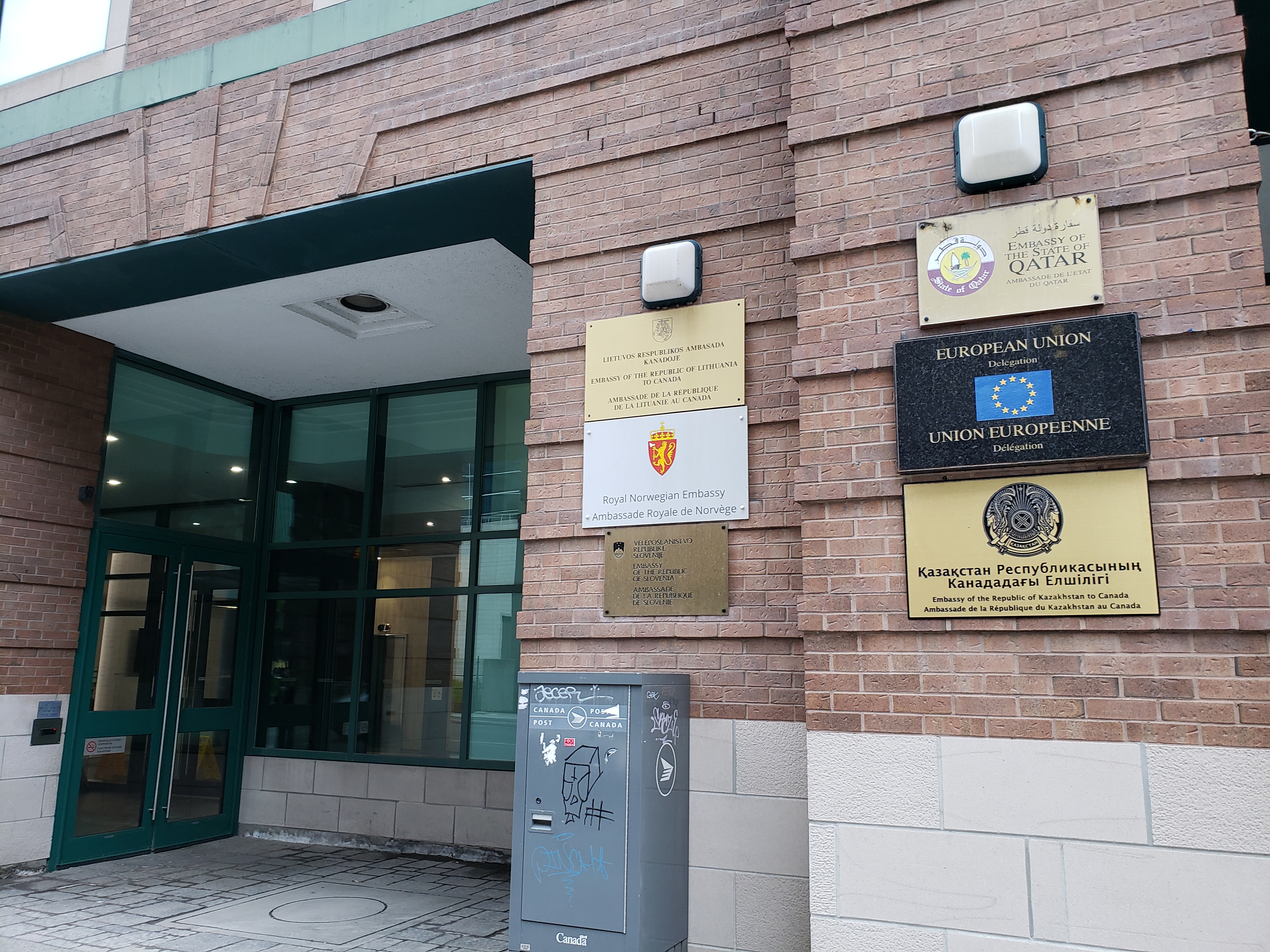
U.S. envoys Jared Witkoff and Jared Kushner are traveling to Doha in the coming days to meet with Qatari mediators [1, 2].
This visit signals a continued U.S. effort to manage regional tensions through third-party diplomacy, specifically regarding Iran, while maintaining a strict policy against direct engagement with Tehran.
The envoys intend to discuss negotiations related to Iran and other regional issues during their stay in Qatar [1, 2]. Despite these discussions, the U.S. representatives will not hold direct talks with Iranian officials. A Qatari official said, "There will be no meeting with Iranian officials during their visit" [1].
The use of Qatar as a diplomatic hub allows the U.S. to relay messages and gauge Iranian positions without establishing formal diplomatic ties. A Doha spokesperson said that Witkoff and Kushner will discuss negotiations with Iran but will not meet Iranian officials [2].
This indirect approach is a standard feature of U.S.-Iran relations, where Qatar often serves as the primary intermediary. The discussions in Doha are expected to focus on regional stability and the current status of negotiations, though the specific goals of the Witkoff and Kushner mission remain undisclosed [1, 2].
“"There will be no meeting with Iranian officials during their visit."”
The decision to utilize Qatari mediators rather than direct engagement reflects a strategic preference for 'back-channel' diplomacy. By avoiding direct contact with Iranian officials, the U.S. can explore potential diplomatic breakthroughs or security arrangements without the political risk or formal recognition associated with direct bilateral talks.


'%2F%3E%0A%20%20%20%20%3Crect%20width%3D'1600'%20height%3D'900'%20fill%3D'url(%23v)'%2F%3E%0A%20%20%20%20%3Cg%20opacity%3D'0.08'%20fill%3D'%23ffffff'%3E%0A%20%20%20%20%20%20%3Ccircle%20cx%3D'1420'%20cy%3D'180'%20r%3D'220'%2F%3E%0A%20%20%20%20%20%20%3Ccircle%20cx%3D'1500'%20cy%3D'760'%20r%3D'120'%2F%3E%0A%20%20%20%20%3C%2Fg%3E%0A%20%20%20%20%3Cline%20x1%3D'80'%20y1%3D'172'%20x2%3D'220'%20y2%3D'172'%20stroke%3D'%23ffffff'%20stroke-width%3D'3'%20stroke-opacity%3D'0.6'%2F%3E%0A%20%20%20%20%3Ctext%20x%3D'80'%20y%3D'140'%20font-family%3D'Inter%2C%20-apple-system%2C%20Helvetica%2C%20sans-serif'%20font-weight%3D'700'%20font-size%3D'28'%20fill%3D'%23ffffff'%20letter-spacing%3D'6'%3EHANNA%20%C2%B7%20NEWS%3C%2Ftext%3E%0A%20%20%20%20%3Ctext%20x%3D'80'%20y%3D'230'%20font-family%3D'Inter%2C%20-apple-system%2C%20Helvetica%2C%20sans-serif'%20font-weight%3D'600'%20font-size%3D'40'%20fill%3D'%23ffffffb3'%20letter-spacing%3D'4'%3EWORLD%3C%2Ftext%3E%0A%20%20%20%20%3Ctext%20x%3D'80'%20y%3D'622'%20font-family%3D'Playfair%20Display%2C%20Georgia%2C%20serif'%20font-weight%3D'800'%20font-size%3D'86'%20fill%3D'%23ffffff'%20letter-spacing%3D'-1'%3ERescue%20Operation%20Underway%3C%2Ftext%3E%3Ctext%20x%3D'80'%20y%3D'721'%20font-family%3D'Playfair%20Display%2C%20Georgia%2C%20serif'%20font-weight%3D'800'%20font-size%3D'86'%20fill%3D'%23ffffff'%20letter-spacing%3D'-1'%3EAfter%20Boy%20Falls%20Into%3C%2Ftext%3E%3Ctext%20x%3D'80'%20y%3D'820'%20font-family%3D'Playfair%20Display%2C%20Georgia%2C%20serif'%20font-weight%3D'800'%20font-size%3D'86'%20fill%3D'%23ffffff'%20letter-spacing%3D'-1'%3EBorewell%20in%20Haryana%3C%2Ftext%3E%0A%20%20%20%20%3Ctext%20x%3D'80'%20y%3D'870'%20font-family%3D'Inter%2C%20-apple-system%2C%20Helvetica%2C%20sans-serif'%20font-weight%3D'500'%20font-size%3D'22'%20fill%3D'%23ffffff66'%20letter-spacing%3D'2'%3Enews.hanna-ai.com%3C%2Ftext%3E%0A%20%20%3C%2Fsvg%3E)