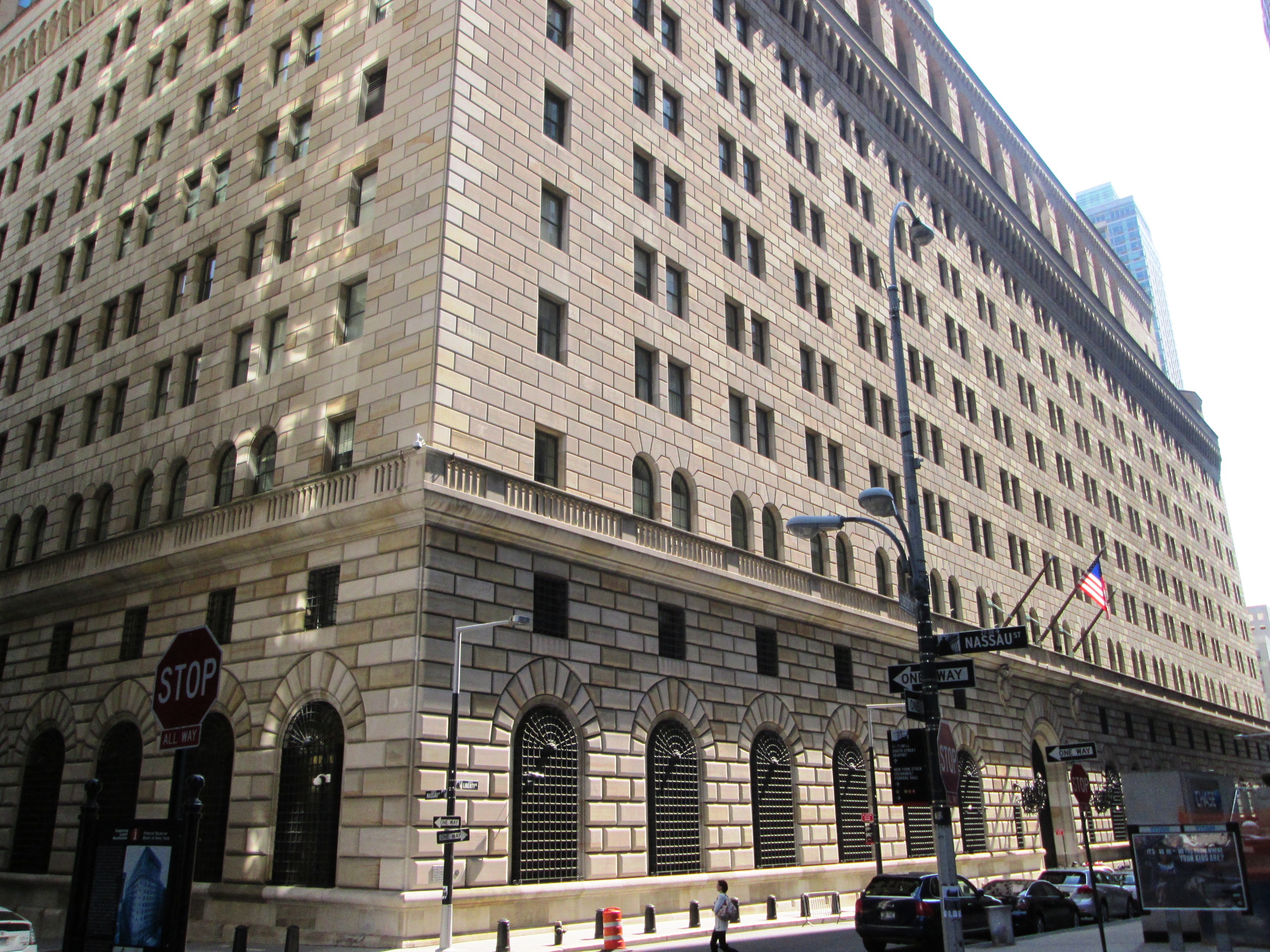
The U.S. Federal Reserve held interest rates steady on Wednesday, April 29, 2026, during its meeting in Washington, D.C. [1]
This decision maintains the cost of borrowing for consumers and businesses, signaling that the central bank is not yet convinced that inflation has stabilized enough to warrant a policy shift.
Officials said rising concerns about inflation were the primary driver for the pause [1]. The central bank said inflation remains elevated, which is partly due to a recent increase in global energy prices [2]. These price hikes stem from ongoing developments in the Middle East [3].
The decision followed a period of internal friction within the Federal Reserve. Reports said there is a sharp divide among policymakers regarding a bias toward easing policy [2]. This split suggests that while some members favor lowering rates to stimulate growth, others believe the risk of persistent inflation remains too high to justify such a move.
The hold comes as global markets react to the volatility of energy costs. Because energy prices influence a wide array of goods and services, the Fed remains cautious about premature rate cuts that could further fuel price increases [3].
While the benchmark rate remains unchanged, the divide among officials indicates a lack of consensus on the timing of future adjustments. The central bank said it will continue to monitor economic data, and geopolitical stability in the Middle East, before determining the next move in its monetary policy [1].
“The U.S. Federal Reserve held interest rates steady on Wednesday, April 29, 2026.”
The Federal Reserve's decision to hold rates steady despite internal disagreement highlights the tension between supporting economic growth and combating inflation. By prioritizing the risk of energy-driven inflation over the push for policy easing, the Fed is signaling that geopolitical instability in the Middle East is now a critical variable in U.S. monetary policy.