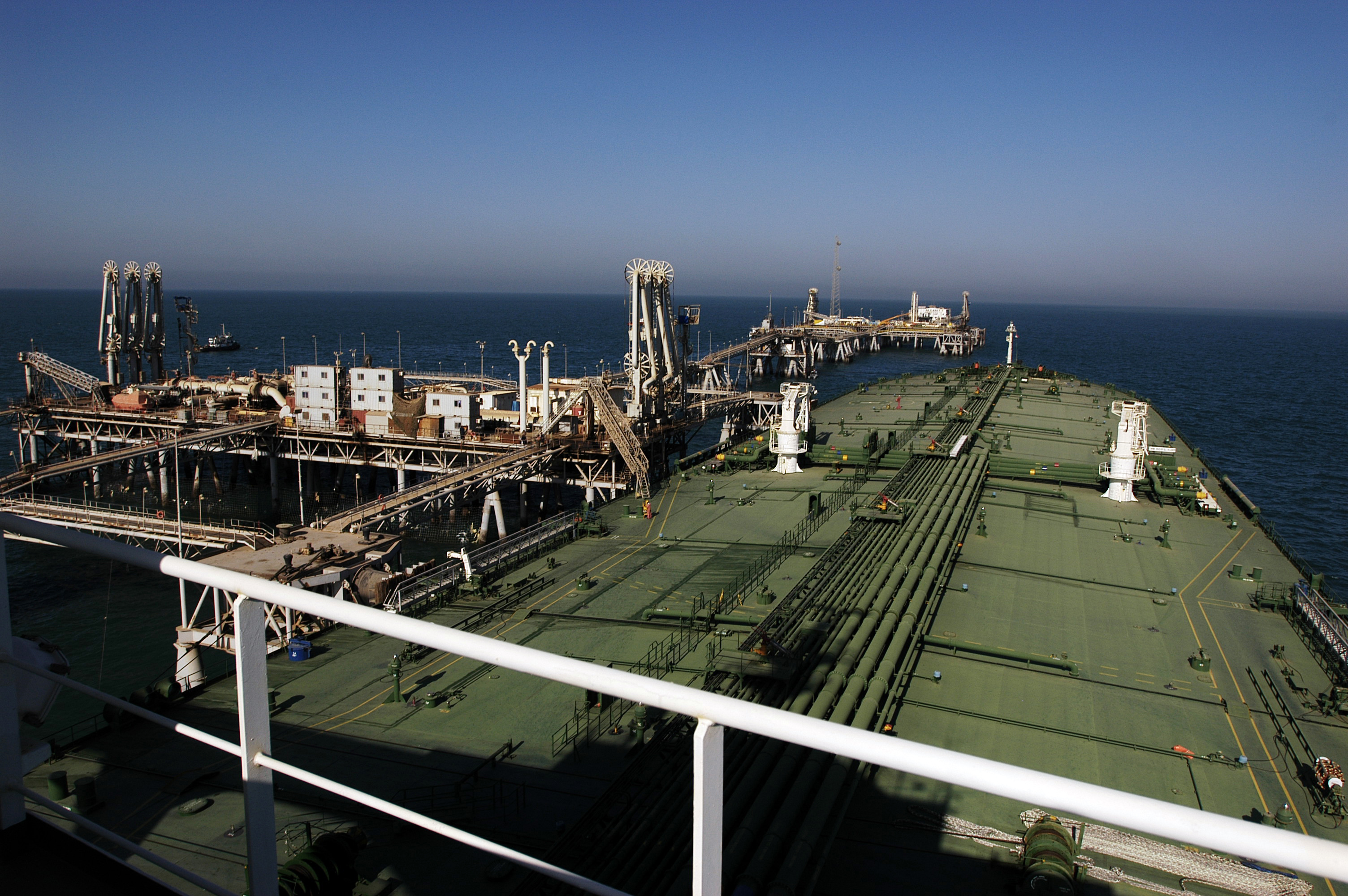
U.S. gas prices are rising due to oil supply disruptions in the Persian Gulf despite high domestic oil production [1, 2].
This trend highlights the vulnerability of the global energy market to geopolitical instability. Even when a nation produces record amounts of oil, international pricing remains tied to the stability of key maritime corridors and the risk of foreign conflict.
The U.S. currently produces 13.6 million barrels of oil a day [1]. Despite this volume, gas prices have reached $4.59 a gallon [1]. This disconnect between domestic supply and consumer costs is driven largely by the threat of conflict with Iran and the resulting instability in the Persian Gulf [1, 2].
Central to this volatility is the Strait of Hormuz. Though the waterway is 7,000 miles away from the U.S. [1], it serves as a critical chokepoint for global oil transit. Disruptions in this region impact the global benchmark price of crude, which influences the cost of gasoline at pumps across North America.
Analysts said that the U.S. does not import a large volume of oil from the Middle East [1]. However, because oil is a globally traded commodity, any perceived shortage in the Persian Gulf creates a price surge that affects the entire market regardless of where the oil is drilled.
"America is the world's leading oil producer. We don't import much oil from the Middle East. Why, then, are gas prices so high?" a report on the current energy crisis said [1]. The answer lies in the interconnected nature of global energy trade, where a localized conflict can trigger widespread inflation.
“U.S. gas prices have reached $4.59 a gallon”
The situation demonstrates that energy independence in terms of production volume does not equal price independence. Because the U.S. sells its oil on a global market, domestic prices remain tethered to international benchmarks. As long as critical transit points like the Strait of Hormuz remain volatile, U.S. consumers will continue to feel the impact of Middle Eastern geopolitical tensions regardless of domestic output levels.