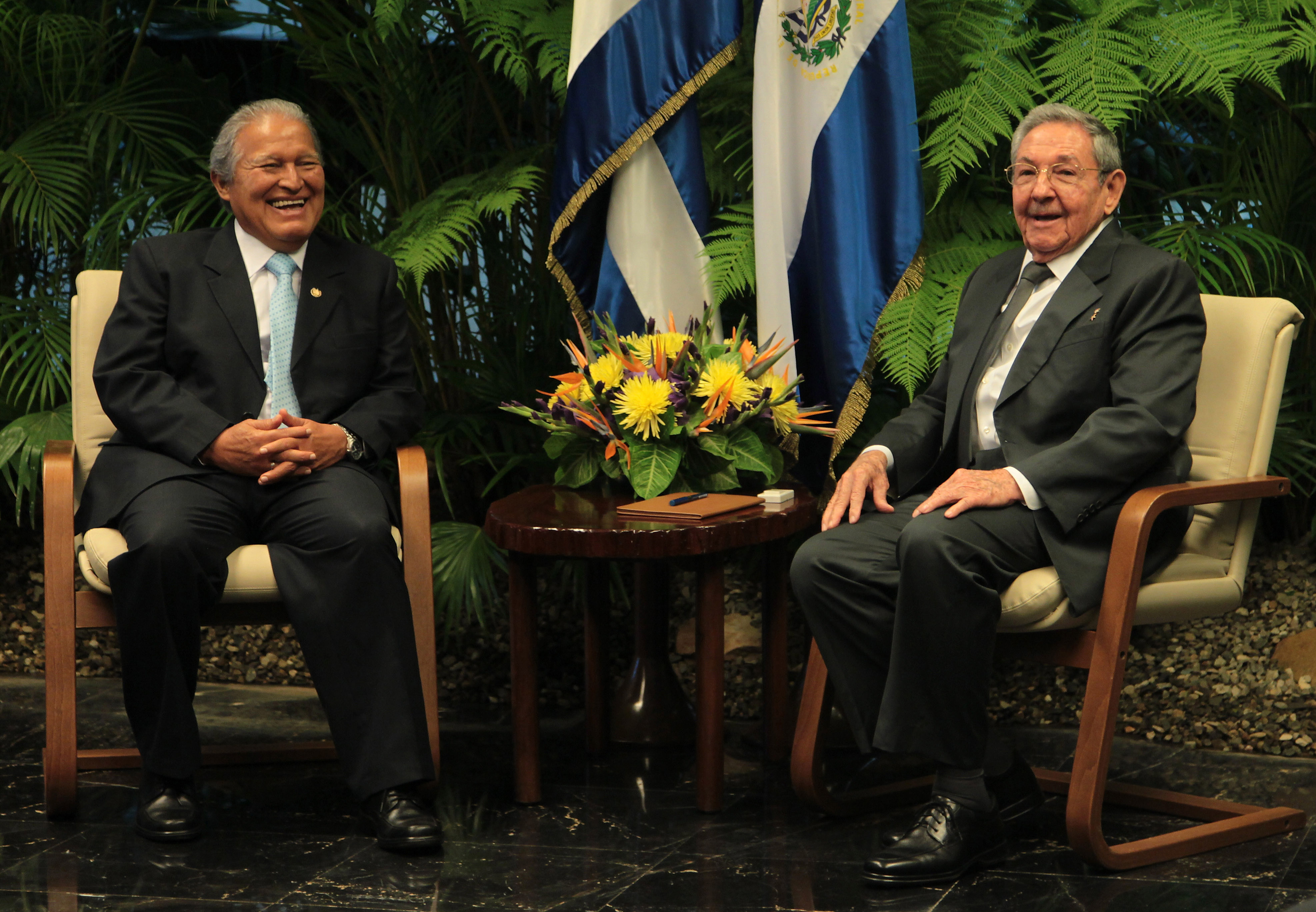
The U.S. Department of Justice is preparing to file four homicide charges against former Cuban President Raúl Castro [1], [3].
This legal move signals a significant escalation in diplomatic pressure on the Cuban government. By pursuing criminal charges for events that occurred decades ago, the U.S. is attempting to hold the former leader personally accountable for state-sponsored violence.
The charges stem from an incident in 1996 when Cuban forces shot down two civilian aircraft [4], [5]. These planes were operated by Hermanos al Rescate, a group run by Cuban exiles [1], [2]. The U.S. government seeks to establish legal responsibility for the deaths resulting from that operation.
Reports regarding the preparations for these indictments first surfaced in mid-May 2026 [2], [3]. The DOJ is reportedly coordinating efforts in Washington, D.C., and Miami, Florida, to finalize the proceedings [3], [6].
The timing of these legal developments coincides with a personal milestone for the former president. Castro will celebrate his birthday on Wednesday, June 3, 2026 [1]. While some U.S. outlets reported his age as 94 [7], other sources state he is turning 95 [1].
Raúl Castro, the brother of longtime leader Fidel Castro, served as the president of Cuba during a period of transition for the island's government [1], [2]. The current push for homicide charges reflects a long-standing effort by the U.S. to address the 1996 shoot-downs, which remain a point of severe contention between the two nations.
“The U.S. Department of Justice is preparing to file four homicide charges against former Cuban President Raúl Castro.”
The pursuit of homicide charges against a former head of state underscores a shift toward using the U.S. judicial system as a tool for diplomatic leverage. Because Cuba does not typically extradite its citizens, a formal indictment is unlikely to result in an immediate trial. However, it severely restricts the former leader's international travel and maintains a permanent legal record of the 1996 incident, ensuring the event remains a central pillar of U.S.-Cuba tensions.