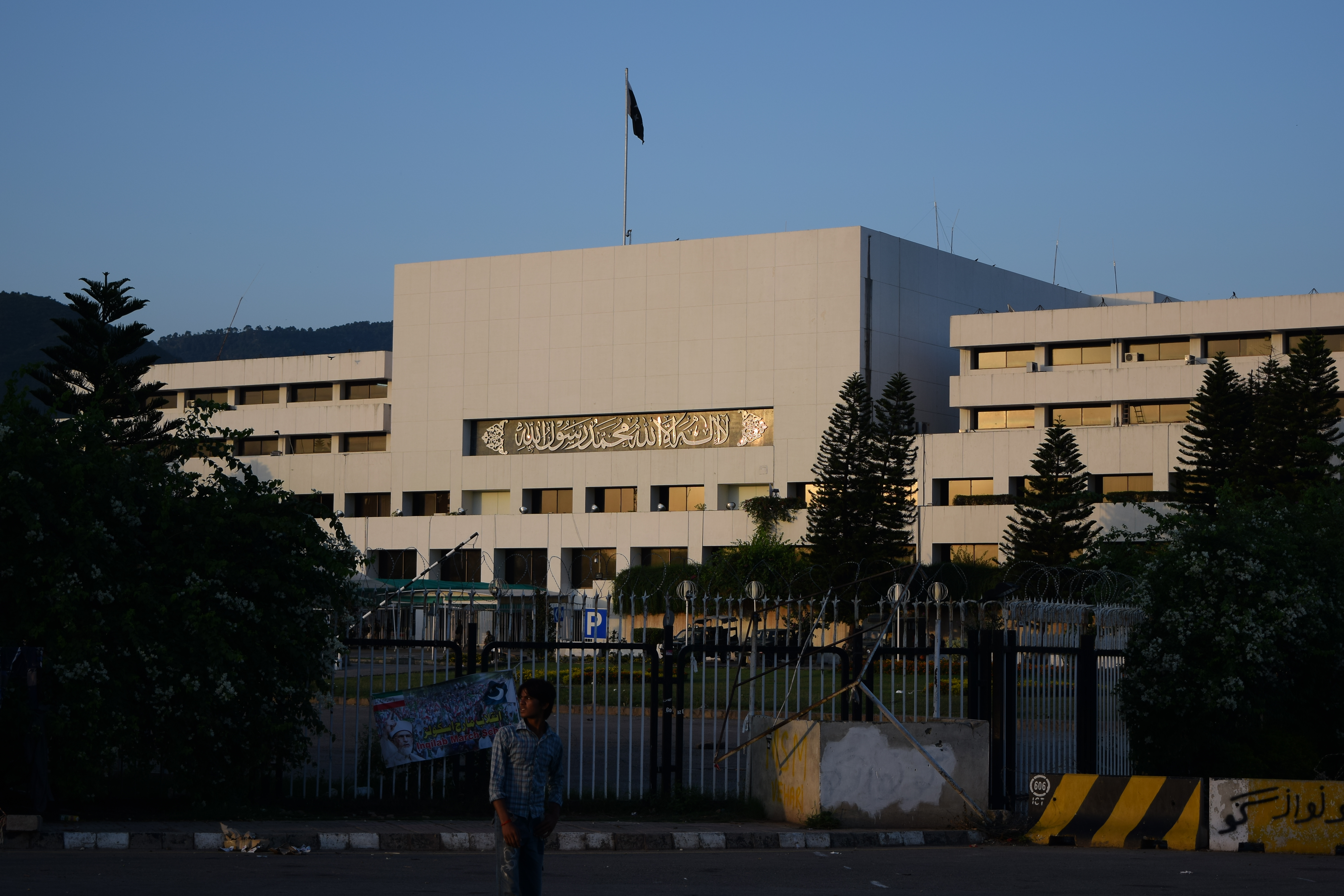
The U.S. House of Representatives introduced a resolution praising Pakistan for its diplomatic efforts during the conflict involving Iran [1].
This recognition highlights the strategic importance of Pakistan as a regional mediator in one of the world's most volatile geopolitical corridors. By formally acknowledging these efforts, the U.S. legislative body signals a desire to maintain stable diplomatic channels and leverage third-party intermediaries to prevent further escalation in the Middle East.
The resolution specifically recognizes Pakistan's role in facilitating diplomatic dialogue between Iran and the United States [1]. The move comes as Washington seeks to manage tensions with Tehran through a combination of pressure and diplomatic engagement. Pakistan has historically positioned itself as a bridge between Western powers and regional actors, a role that the House resolution appears to validate.
However, the effectiveness of these efforts remains a point of contention among observers. While the resolution offers formal praise, some reports suggest that Pakistan's bid to mediate a breakthrough fell short [2]. According to those accounts, no concrete Iran-US peace talks have emerged as a direct result of these specific mediation attempts [2].
Despite the lack of a definitive breakthrough, the introduction of the resolution suggests a willingness by U.S. lawmakers to incentivize Pakistan's involvement in regional stability. The diplomatic gesture serves as a political tool to strengthen ties with Islamabad while keeping the door open for potential negotiations with Iran [1].
The resolution focuses on the intent and the facilitating actions taken by Pakistani officials rather than a specific treaty or signed agreement. This distinction allows the U.S. House to commend the diplomatic process without claiming a completed diplomatic victory.
“The U.S. House of Representatives introduced a resolution praising Pakistan for its diplomatic efforts during the conflict involving Iran.”
The resolution reflects a symbolic victory for Pakistani diplomacy rather than a tangible shift in U.S.-Iran relations. While the U.S. House is rewarding the effort to facilitate dialogue, the absence of actual peace talks indicates that the core tensions between Washington and Tehran remain unresolved. This suggests the U.S. is utilizing 'diplomatic signaling' to maintain a relationship with Pakistan while the actual prospects for a breakthrough with Iran remain slim.


