
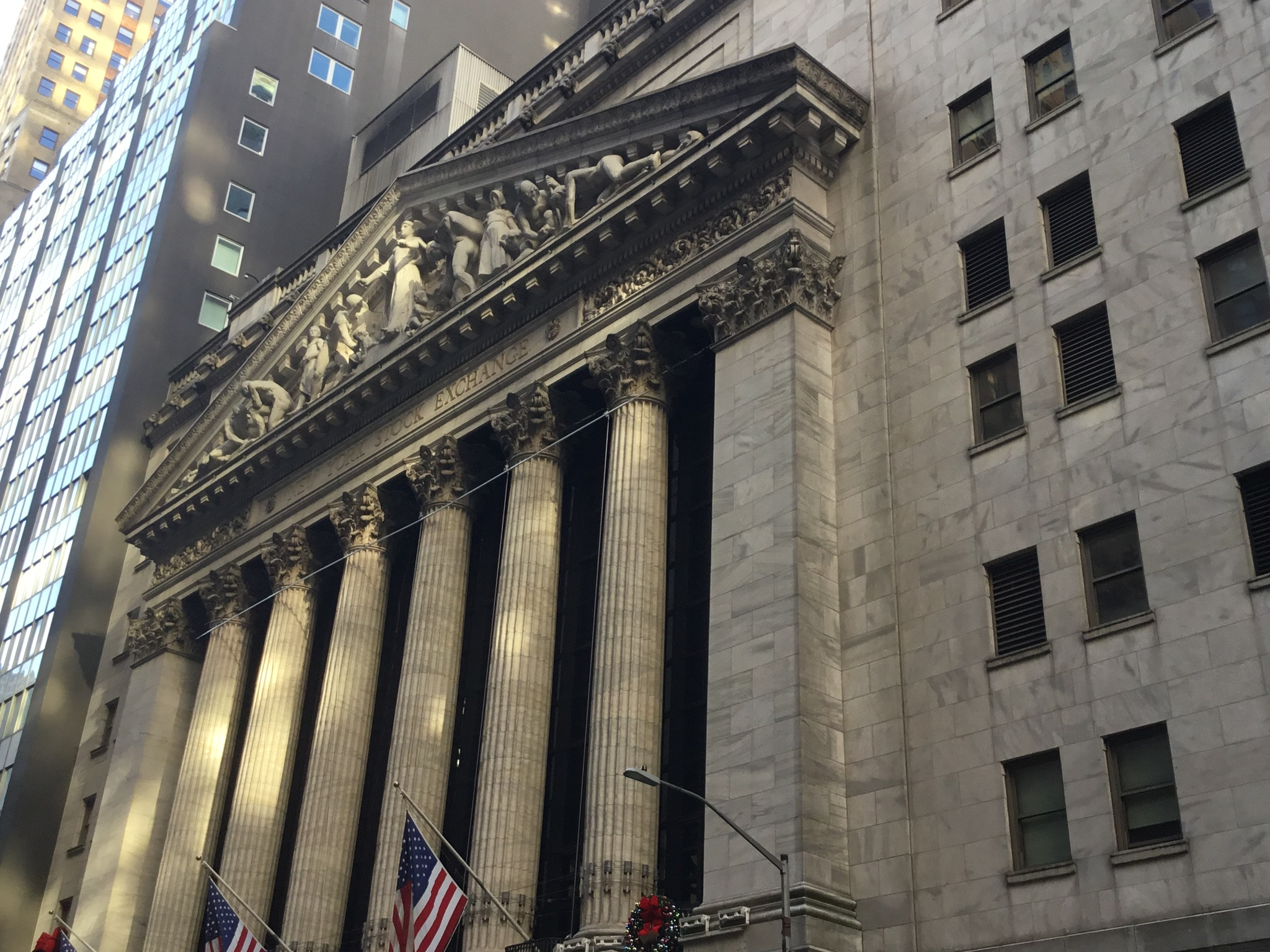
Major stock indices in the U.S. and India rose in mid-April 2026 as investors reacted to hopes of a peace deal between the U.S. and Iran [1].
The rally reflects a shift in investor sentiment, where geopolitical stability in the Middle East is directly linked to lower energy costs and reduced global risk.
In the United States, the Nasdaq recorded its ninth consecutive gain [2]. This upward trend coincided with a sharp drop in crude oil prices early in the trading session [3]. Oil prices fell below $100 per barrel [1], a move that typically eases inflationary pressures on global markets.
Indian markets followed a similar trajectory, with the Nifty and Sensex indices climbing as investors weighed the potential for stabilized energy imports [4]. Market analysts said that gold and silver prices jumped as reports circulated that the United States and Iran were nearing a peace agreement [5].
President Donald Trump said a deal with Iran was "very possible" [6]. This optimism was further supported by statements from Iranian officials, who said the Strait of Hormuz was open for passage during a ceasefire in Lebanon [1].
The market volatility remained present, with some global indices showing mixed results as U.S. indices experienced brief pullbacks [7]. However, the overarching trend during this period was driven by the prospect of a diplomatic resolution to long-standing tensions between Washington and Tehran [5, 8].
Investors continue to monitor official communications from both governments to determine if the current market optimism will translate into a formal treaty.
“Oil prices fell below $100 per barrel”
The correlation between equity gains and falling oil prices underscores how sensitive global markets are to Middle Eastern stability. A formal peace deal would likely lead to a sustained reduction in energy volatility, providing a more predictable environment for industrial growth in energy-importing nations like India.

'%2F%3E%0A%20%20%20%20%3Crect%20width%3D'1600'%20height%3D'900'%20fill%3D'url(%23v)'%2F%3E%0A%20%20%20%20%3Cg%20opacity%3D'0.08'%20fill%3D'%23ffffff'%3E%0A%20%20%20%20%20%20%3Ccircle%20cx%3D'1420'%20cy%3D'180'%20r%3D'220'%2F%3E%0A%20%20%20%20%20%20%3Ccircle%20cx%3D'1500'%20cy%3D'760'%20r%3D'120'%2F%3E%0A%20%20%20%20%3C%2Fg%3E%0A%20%20%20%20%3Cline%20x1%3D'80'%20y1%3D'172'%20x2%3D'220'%20y2%3D'172'%20stroke%3D'%23ffffff'%20stroke-width%3D'3'%20stroke-opacity%3D'0.6'%2F%3E%0A%20%20%20%20%3Ctext%20x%3D'80'%20y%3D'140'%20font-family%3D'Inter%2C%20-apple-system%2C%20Helvetica%2C%20sans-serif'%20font-weight%3D'700'%20font-size%3D'28'%20fill%3D'%23ffffff'%20letter-spacing%3D'6'%3EHANNA%20%C2%B7%20NEWS%3C%2Ftext%3E%0A%20%20%20%20%3Ctext%20x%3D'80'%20y%3D'230'%20font-family%3D'Inter%2C%20-apple-system%2C%20Helvetica%2C%20sans-serif'%20font-weight%3D'600'%20font-size%3D'40'%20fill%3D'%23ffffffb3'%20letter-spacing%3D'4'%3EBUSINESS%3C%2Ftext%3E%0A%20%20%20%20%3Ctext%20x%3D'80'%20y%3D'622'%20font-family%3D'Playfair%20Display%2C%20Georgia%2C%20serif'%20font-weight%3D'800'%20font-size%3D'86'%20fill%3D'%23ffffff'%20letter-spacing%3D'-1'%3EMajor%20Japanese%20Life%20Insurers%3C%2Ftext%3E%3Ctext%20x%3D'80'%20y%3D'721'%20font-family%3D'Playfair%20Display%2C%20Georgia%2C%20serif'%20font-weight%3D'800'%20font-size%3D'86'%20fill%3D'%23ffffff'%20letter-spacing%3D'-1'%3EUnder%20Investigation%20for%3C%2Ftext%3E%3Ctext%20x%3D'80'%20y%3D'820'%20font-family%3D'Playfair%20Display%2C%20Georgia%2C%20serif'%20font-weight%3D'800'%20font-size%3D'86'%20fill%3D'%23ffffff'%20letter-spacing%3D'-1'%3ECustomer%20Fraud%3C%2Ftext%3E%0A%20%20%20%20%3Ctext%20x%3D'80'%20y%3D'870'%20font-family%3D'Inter%2C%20-apple-system%2C%20Helvetica%2C%20sans-serif'%20font-weight%3D'500'%20font-size%3D'22'%20fill%3D'%23ffffff66'%20letter-spacing%3D'2'%3Enews.hanna-ai.com%3C%2Ftext%3E%0A%20%20%3C%2Fsvg%3E)

