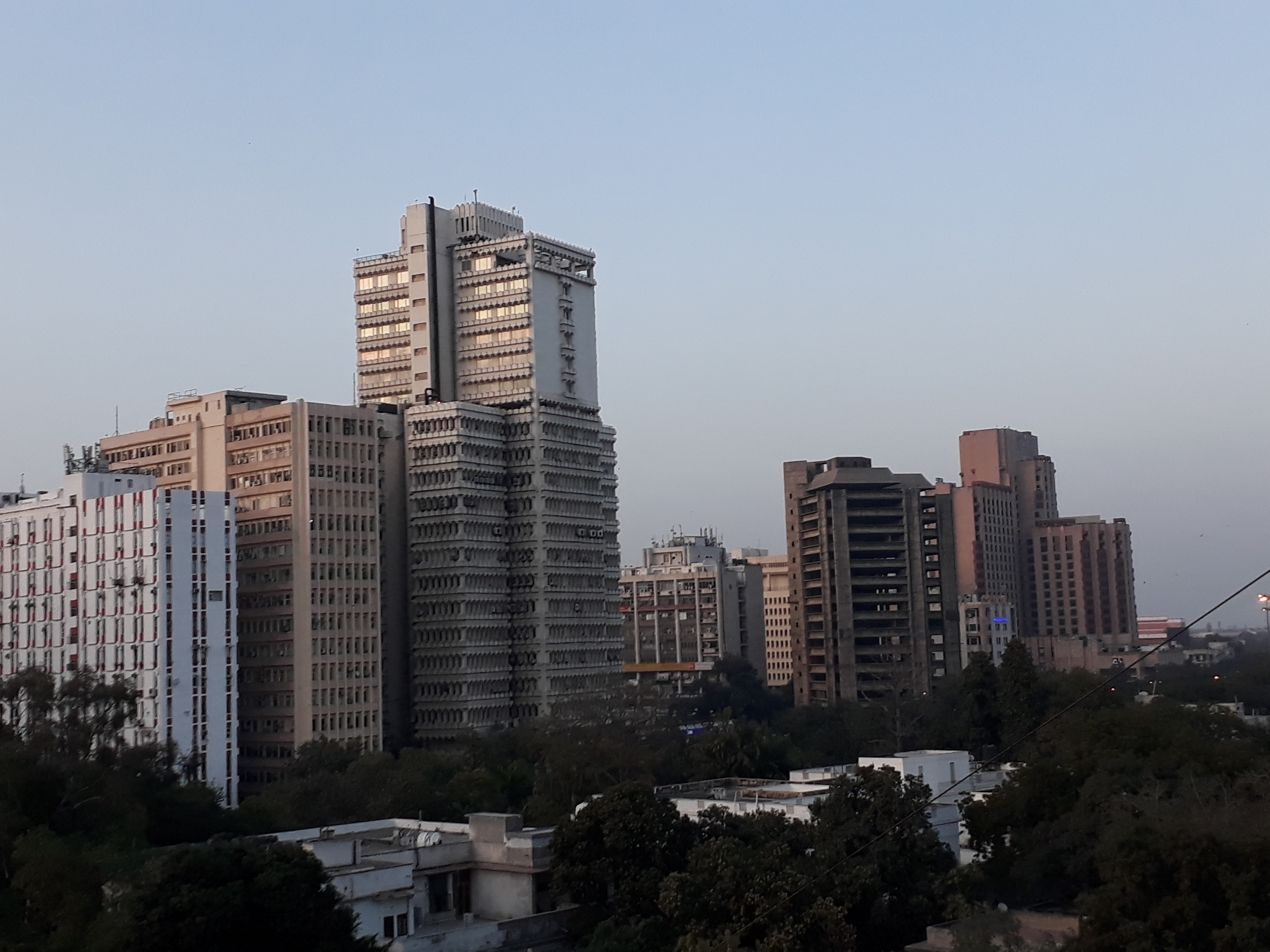
A U.S. trade delegation led by chief negotiator Brendan Lynch met with Indian government officials in New Delhi to finalize an interim trade pact [1].
The negotiations center on critical economic friction points, including U.S. concerns over tariffs and forced-labor supply-chain issues. The outcome could determine whether the two nations reach a compromise or face increased trade barriers.
The round of negotiations lasted four days [2], occurring from June 1 to June 4, 2024 [2]. The meetings focused on locking down the specific text of the interim agreement to resolve long-standing disputes over market access, and regulatory standards [1, 2].
Washington has used the threat of new tariffs to secure a more favorable deal. The U.S. has proposed additional tariffs of 12.5 percent on Indian imports under Section 301 [3]. An unnamed U.S. official said the threat to impose these tariffs over forced-labor supply-chain concerns is a pressure tactic deployed by Washington to drive a harder bargain [4].
Despite the pressure, some officials remain optimistic about a resolution. Marco Rubio said, "We are close to concluding the trade deal" [5]. Donald Trump also expressed confidence in a positive outcome, saying, "We will get to a deal because I like your prime minister a lot" [6].
However, the outlook remains mixed. While U.S. leadership suggests a deal is near, other reports indicate the talks remain contentious due to the aggressive use of tariff threats as leverage [4, 6].
“"We are close to concluding the trade deal."”
The use of Section 301 tariff threats indicates that the U.S. is shifting toward a more aggressive transactional approach to secure concessions on labor and trade barriers. If an interim pact is reached, it may serve as a blueprint for a broader strategic economic partnership, but the reliance on pressure tactics suggests that deep-seated disagreements over supply-chain ethics and tariffs persist.

'%2F%3E%0A%20%20%20%20%3Crect%20width%3D'1600'%20height%3D'900'%20fill%3D'url(%23v)'%2F%3E%0A%20%20%20%20%3Cg%20opacity%3D'0.08'%20fill%3D'%23ffffff'%3E%0A%20%20%20%20%20%20%3Ccircle%20cx%3D'1420'%20cy%3D'180'%20r%3D'220'%2F%3E%0A%20%20%20%20%20%20%3Ccircle%20cx%3D'1500'%20cy%3D'760'%20r%3D'120'%2F%3E%0A%20%20%20%20%3C%2Fg%3E%0A%20%20%20%20%3Cline%20x1%3D'80'%20y1%3D'172'%20x2%3D'220'%20y2%3D'172'%20stroke%3D'%23ffffff'%20stroke-width%3D'3'%20stroke-opacity%3D'0.6'%2F%3E%0A%20%20%20%20%3Ctext%20x%3D'80'%20y%3D'140'%20font-family%3D'Inter%2C%20-apple-system%2C%20Helvetica%2C%20sans-serif'%20font-weight%3D'700'%20font-size%3D'28'%20fill%3D'%23ffffff'%20letter-spacing%3D'6'%3EHANNA%20%C2%B7%20NEWS%3C%2Ftext%3E%0A%20%20%20%20%3Ctext%20x%3D'80'%20y%3D'230'%20font-family%3D'Inter%2C%20-apple-system%2C%20Helvetica%2C%20sans-serif'%20font-weight%3D'600'%20font-size%3D'40'%20fill%3D'%23ffffffb3'%20letter-spacing%3D'4'%3EWORLD%3C%2Ftext%3E%0A%20%20%20%20%3Ctext%20x%3D'80'%20y%3D'622'%20font-family%3D'Playfair%20Display%2C%20Georgia%2C%20serif'%20font-weight%3D'800'%20font-size%3D'86'%20fill%3D'%23ffffff'%20letter-spacing%3D'-1'%3EBengaluru%20Court%20Issues%3C%2Ftext%3E%3Ctext%20x%3D'80'%20y%3D'721'%20font-family%3D'Playfair%20Display%2C%20Georgia%2C%20serif'%20font-weight%3D'800'%20font-size%3D'86'%20fill%3D'%23ffffff'%20letter-spacing%3D'-1'%3ENon-Bailable%20Warrant%20Against%3C%2Ftext%3E%3Ctext%20x%3D'80'%20y%3D'820'%20font-family%3D'Playfair%20Display%2C%20Georgia%2C%20serif'%20font-weight%3D'800'%20font-size%3D'86'%20fill%3D'%23ffffff'%20letter-spacing%3D'-1'%3EActor%20Prakash%20Raj%3C%2Ftext%3E%0A%20%20%20%20%3Ctext%20x%3D'80'%20y%3D'870'%20font-family%3D'Inter%2C%20-apple-system%2C%20Helvetica%2C%20sans-serif'%20font-weight%3D'500'%20font-size%3D'22'%20fill%3D'%23ffffff66'%20letter-spacing%3D'2'%3Enews.hanna-ai.com%3C%2Ftext%3E%0A%20%20%3C%2Fsvg%3E)
