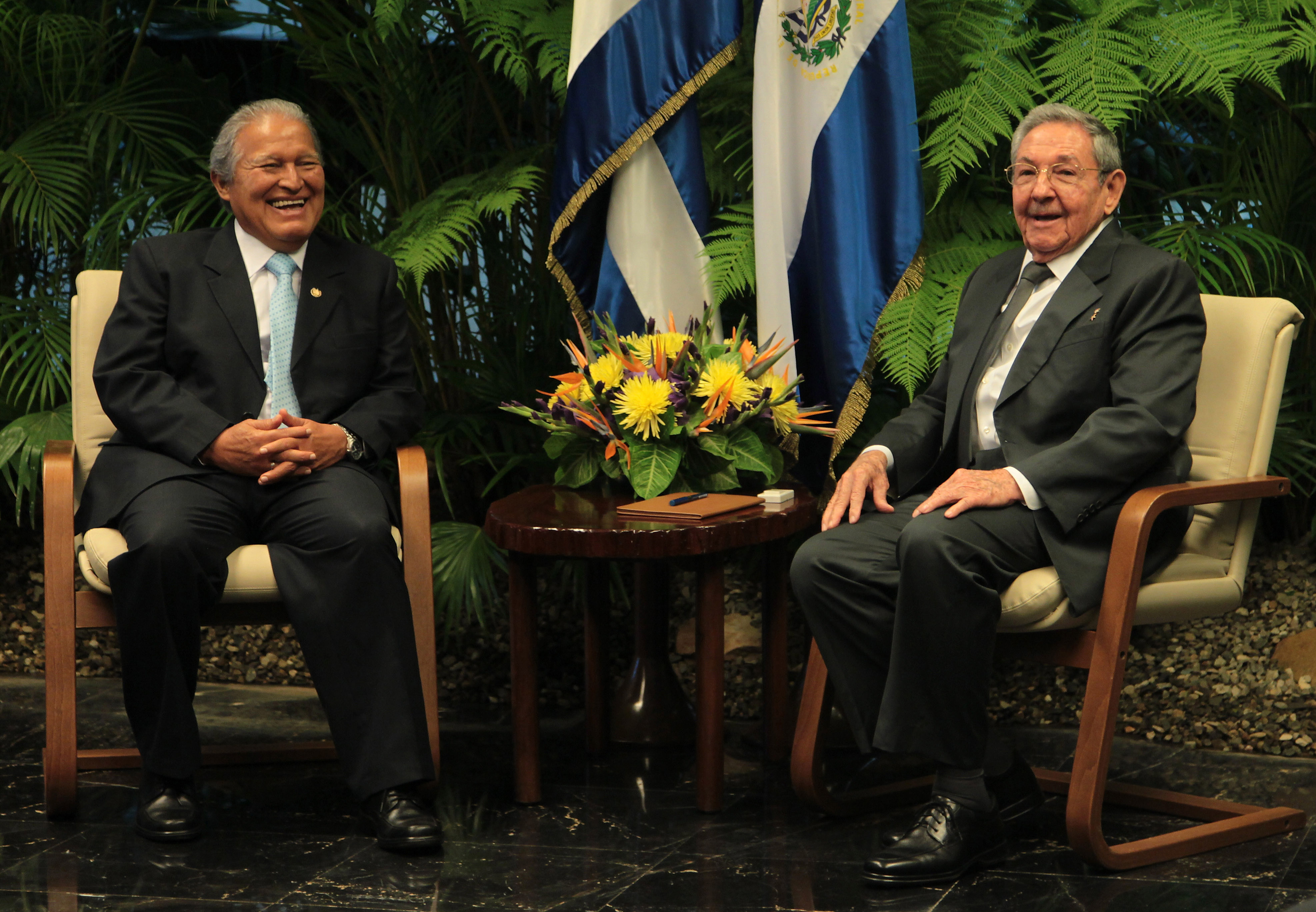
The U.S. Justice Department is working to secure criminal charges against former Cuban President Raúl Castro regarding a 1996 aircraft shootdown [1].
This move signals a significant escalation in legal pressure against the aging revolutionary patriarch during a period of intense diplomatic tension. The pursuit of an indictment comes as the U.S. increases leverage against the Cuban government amid a humanitarian crisis and an oil blockade that has lasted for months [1].
Federal prosecutors in Washington, D.C., are focusing on Castro's role in the events of 1996 [1]. During that incident, Cuban forces shot down two civilian aircraft, leading to years of strained relations and legal disputes between the two nations [1].
Castro, who is 94 years old, served as the leader of Cuba following the transition from his brother, Fidel Castro [1]. The current effort to bring him to justice is viewed as part of a broader strategy to hold former Cuban officials accountable for historical violations of international law [1].
U.S. officials said they have not provided a specific timeline for when the indictment will be finalized. However, the move aligns with recent efforts to isolate the current Cuban administration by targeting the legacy of its previous leadership [1].
The Justice Department's focus on the 1996 shootdown highlights a long-standing grievance in U.S.-Cuba relations. By targeting Castro, the U.S. seeks to address unresolved casualties and the breach of civilian airspace that occurred three decades ago [1].
“The U.S. Justice Department is working to secure criminal charges against former Cuban President Raúl Castro”
The effort to indict Raúl Castro represents a strategic shift toward legal accountability for historical Cuban state actions. By linking these charges to the current humanitarian crisis and the ongoing oil blockade, the U.S. is utilizing judicial mechanisms as a tool of diplomatic pressure to destabilize the remaining influence of the Castro era.


