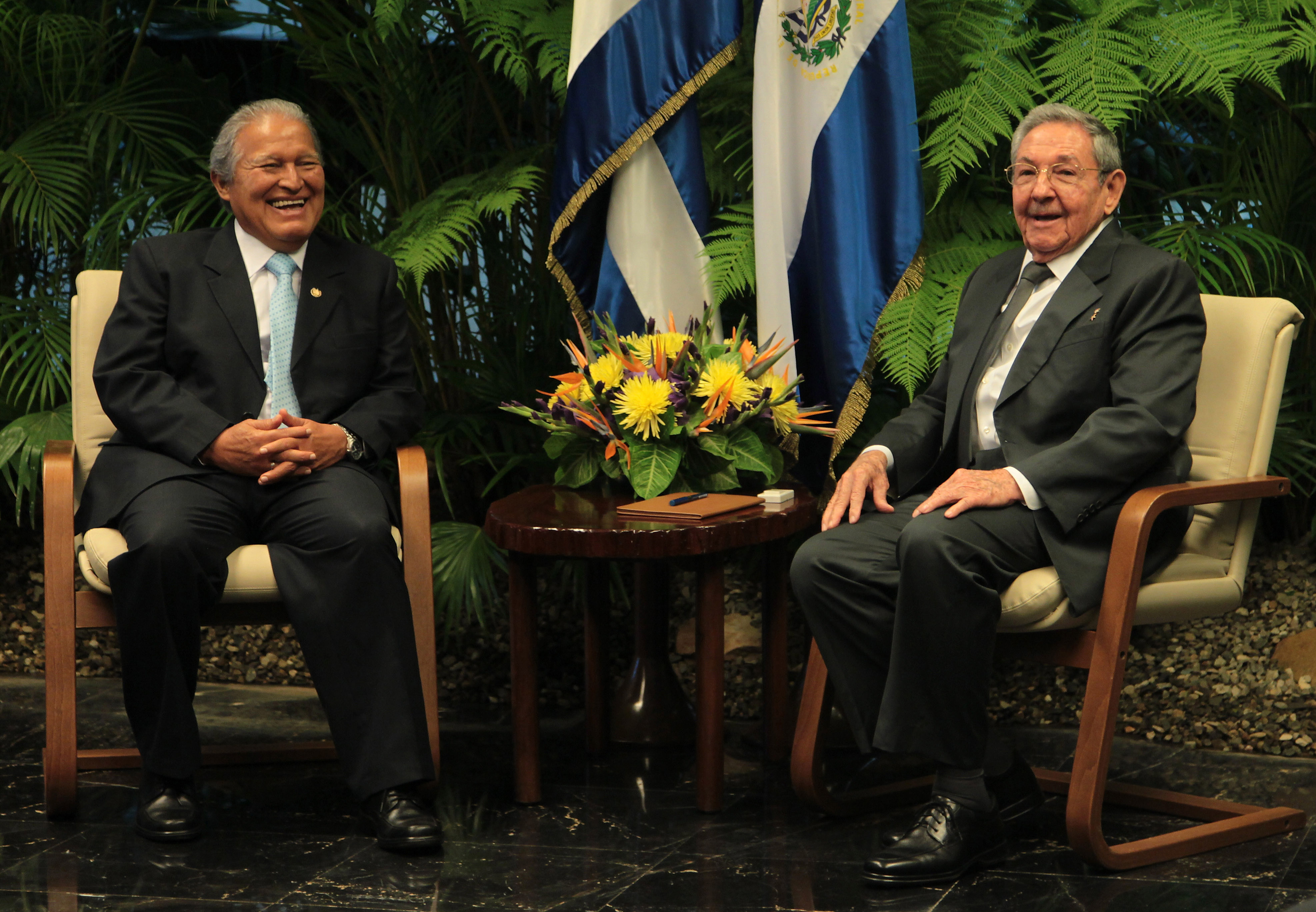
The U.S. Justice Department indicted former Cuban President Raúl Castro on Wednesday, May 20, 2026, for conspiracy to kill U.S. citizens [2].
The indictment targets the highest level of the former Cuban administration and seeks accountability for an event that has strained diplomatic relations for decades. By bringing murder-related charges against a former head of state, the U.S. is signaling a hardline approach to human rights violations associated with the Cuban government.
The charges were filed in a U.S. federal court in Miami, Florida [1]. According to the Justice Department, the 94-year-old Castro [1] was involved in a conspiracy to shoot down aircraft carrying Cuban exiles in 1996 [1]. The U.S. government said these actions constituted a direct effort to kill U.S. citizens [1].
Castro was not the only individual named in the legal action. The Justice Department charged five others alongside the former president [1]. The case focuses on the coordinated effort to intercept and destroy the planes, an act that the U.S. maintains was a state-sponsored crime.
President Donald Trump addressed the development following the announcement. "This is a very big moment," Trump said, adding there was no need for further escalation [6].
International reactions have been swift. Reports indicate that China and Russia have backed Cuba following the indictment [3]. These nations have historically maintained close ties with the Cuban government and often oppose U.S. legal actions against foreign leaders.
“"This is a very big moment,"”
This indictment represents a rare legal move by the U.S. to hold a former foreign head of state criminally liable for historical state-sponsored violence. While the age of the defendant makes physical extradition unlikely, the move serves as a diplomatic tool to isolate the Cuban government and provides a legal victory for the families of the 1996 victims. The support from Russia and China suggests that this legal battle will likely mirror broader geopolitical tensions between the U.S. and its global rivals.


