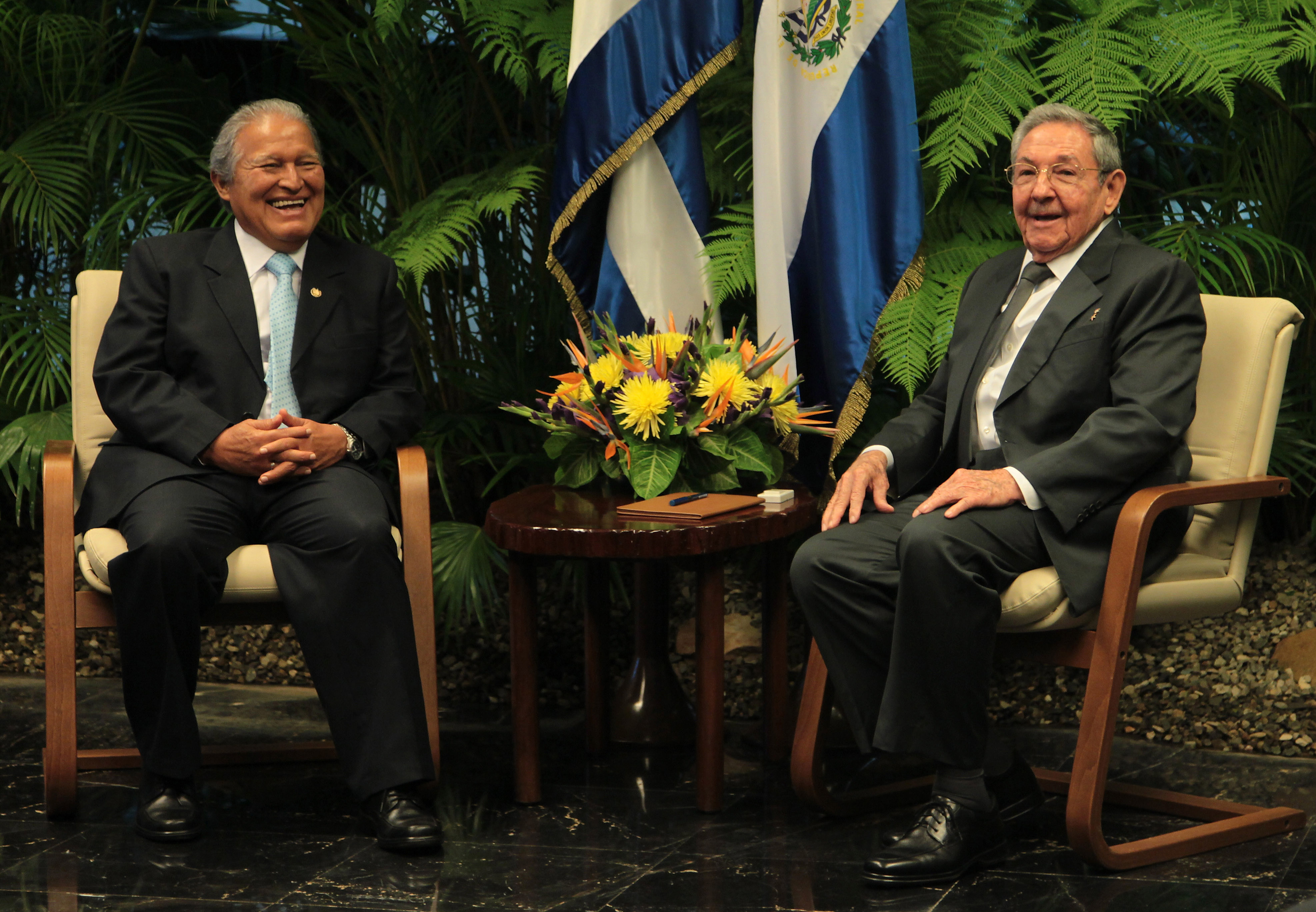
The U.S. Department of Justice unsealed an indictment on Wednesday charging former Cuban president Raúl Castro with murder [1, 2].
The legal action marks a significant escalation in tensions between Washington and Havana. By targeting a former head of state for actions taken decades ago, the U.S. is asserting legal accountability for the deaths of civilian personnel in Cuban airspace.
Prosecutors allege that Cuban military jets shot down two civilian aircraft [1, 2]. The planes were operated by a Miami-based exile organization as part of a broader campaign against the group [1, 2]. The incident, which occurred in 1996 [1], resulted in the deaths of four people [1].
Donald Trump said the development was a "very big moment" [3]. While some observers suggested the indictment could be a prelude to military intervention, Trump dismissed plans of the U.S. taking military action on the island [3].
Julia Galiano said the U.S. has announced criminal charges against the former president [1]. The indictment was officially unsealed on May 20, 2026 [2].
Experts have noted the potential for the former leader to remain insulated from the charges. One unnamed expert said Castro may be "keeping his head down" [3] to avoid further scrutiny or legal complications. The charges center on the direct responsibility for the 1996 military operation that targeted the exile planes [1, 2].
“The US has announced criminal charges against former Cuban president Raul Castro.”
This indictment represents a rare use of U.S. judicial power to pursue a former foreign head of state for historical military actions. While the practical likelihood of Raúl Castro facing a U.S. court is low due to sovereignty and extradition hurdles, the move serves as a potent diplomatic tool to delegitimize the previous Cuban administration and pressure current leadership.


