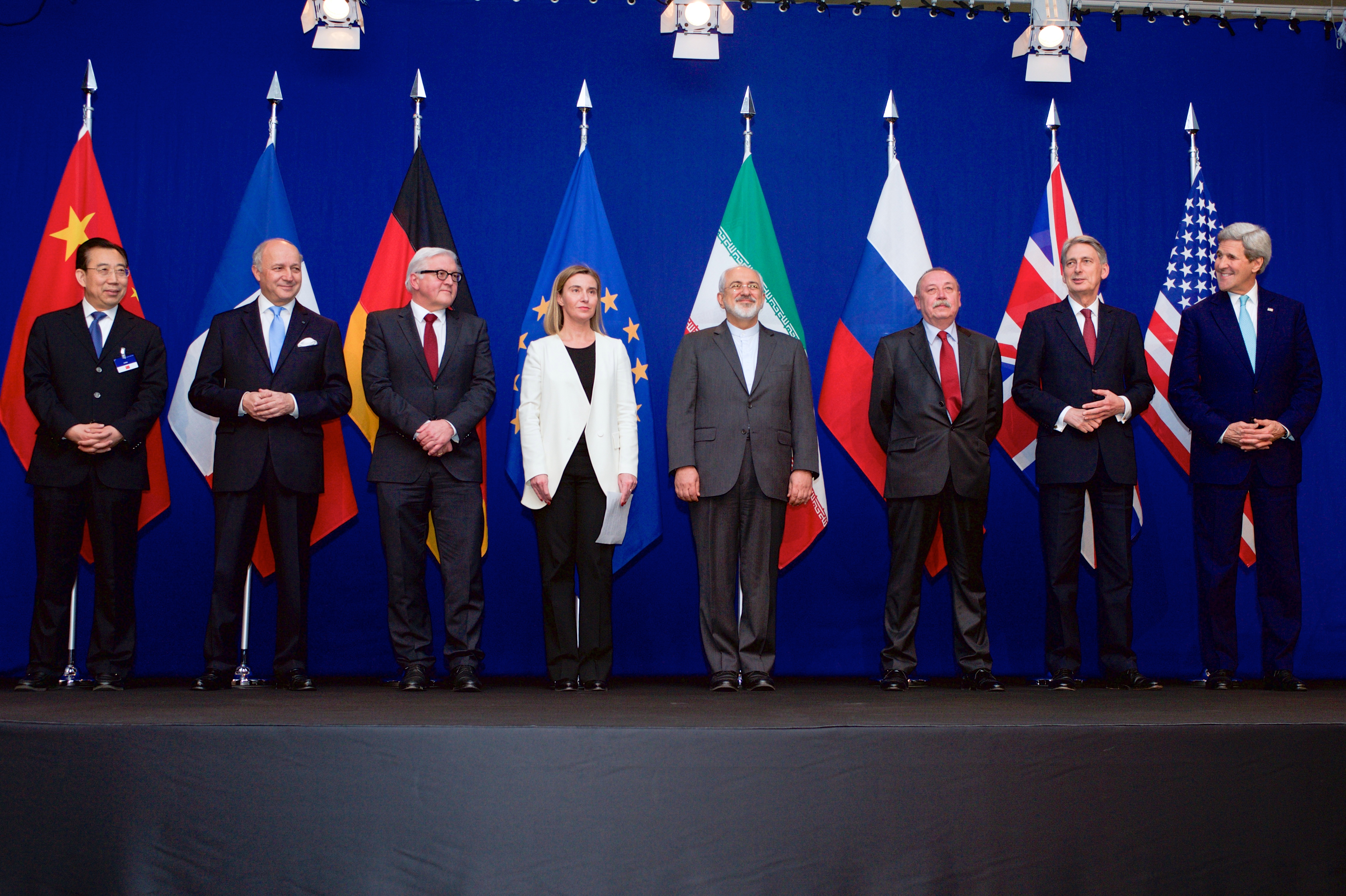
The United States and Iran have agreed to a 60-day roadmap toward a final nuclear agreement, a joint statement said [1].
This development marks a critical step in stabilizing diplomatic relations between the two nations. A successful final deal could resolve long-standing tensions regarding nuclear proliferation and regional security.
Pakistan and Qatar acted as mediators for the negotiations, which took place in Geneva, Switzerland [2], [3]. The mediators released the joint statement confirming that both parties have committed to the specific timeline to reach a comprehensive settlement [1], [4].
The talks in Switzerland focused on advancing the framework necessary to finalize a nuclear deal [1], [5]. While the specific terms of the agreement were not detailed in the announcement, the 60-day window [1] establishes a concrete deadline for diplomats to resolve outstanding disputes.
Officials from Pakistan and Qatar facilitated the high-level discussions to ensure a structured path forward [2], [3]. The mediation effort aims to prevent the collapse of negotiations and provide a stable environment for the two parties to reach a binding accord [5].
The agreement comes after a period of fluctuating diplomatic engagement. By setting a fixed roadmap, the U.S. and Iran are attempting to move beyond temporary ceasefires or partial agreements toward a permanent resolution [1], [4].
“The United States and Iran have agreed to a 60-day roadmap toward a final nuclear agreement.”
The establishment of a time-bound roadmap suggests a mutual desire to avoid further diplomatic stagnation. By utilizing third-party mediators like Pakistan and Qatar in a neutral venue like Switzerland, the U.S. and Iran are reducing the political risk of direct failure while maintaining pressure to reach a conclusion within two months.


