A tentative peace agreement between Washington and Tehran has sparked divergent reactions across Iranian streets [1, 2].
The deal arrives as Iran grapples with a severely strained economy characterized by years of inflation and sanctions [1, 2]. Because the agreement's terms are viewed differently by opposing political factions, the deal may deepen internal social divisions rather than resolve them.
In cities such as Tehran, regime supporters have taken to the streets to celebrate the agreement [1, 2]. These groups said the deal is a victory for the government's diplomatic strategy and a step toward international legitimacy.
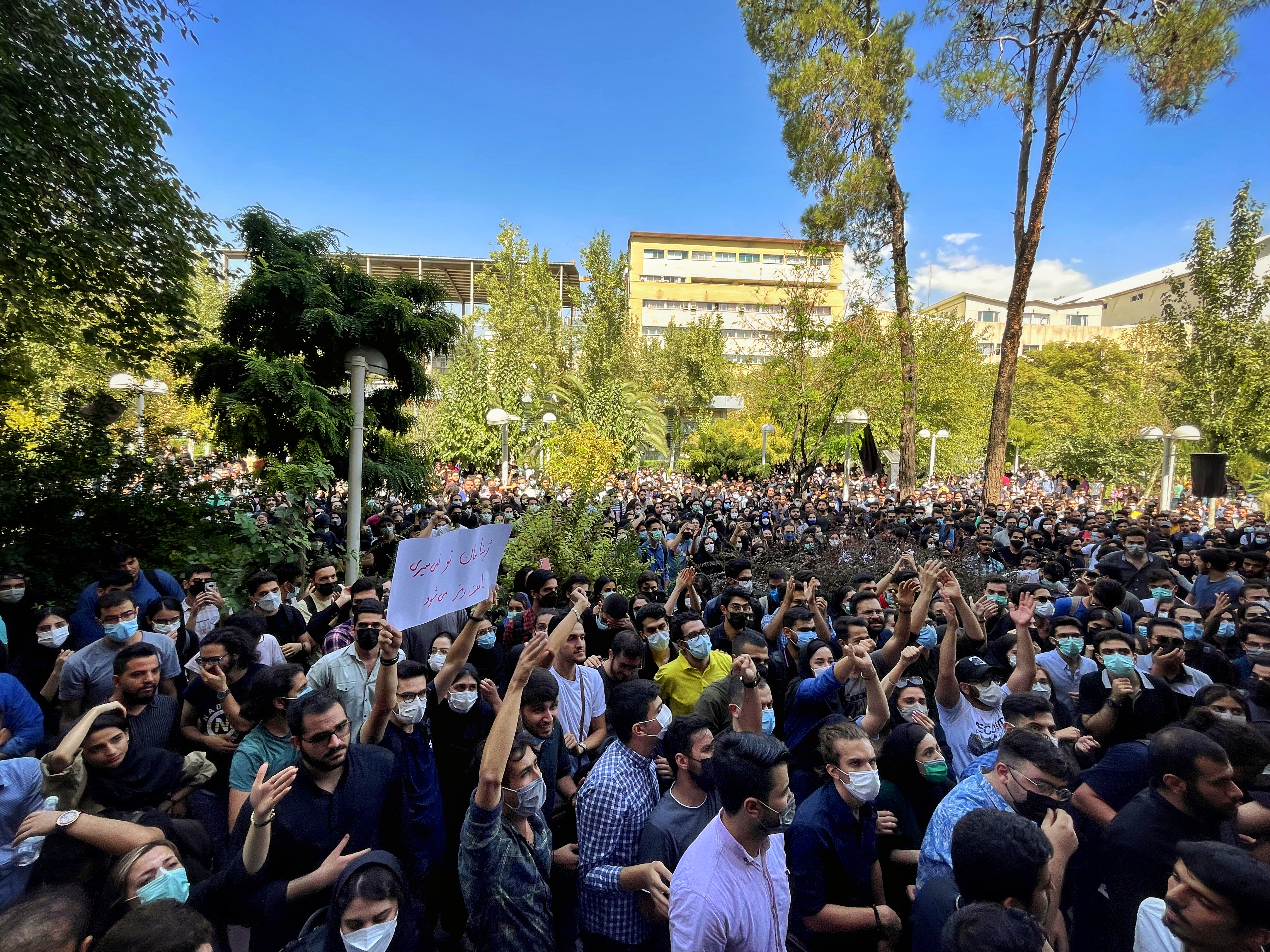
Conversely, opposition protesters have expressed disappointment with the outcome [1, 2]. For these citizens, the tentative peace does not address the core grievances of the protest movements, or the immediate need for systemic political change.
Beyond the political divide, the agreement is unfolding against a backdrop of economic exhaustion [1, 2]. The Iranian public continues to face the daily pressures of a weakened financial system, a result of long-term economic instability and restrictive sanctions [1, 2].
While the diplomatic breakthrough between the U.S. and Iran suggests a shift in geopolitical relations, the internal reality remains fragmented [1, 2]. The contrast between the celebratory atmosphere of supporters and the frustration of the opposition highlights a nation split over its future direction.
“Regime supporters feel victorious, while opposition groups feel disappointment.”
The split reaction suggests that while a diplomatic agreement can ease tensions between two sovereign states, it does not automatically translate to domestic stability. The persistence of economic hardship means that unless the agreement leads to tangible financial relief for the general population, the Iranian government may continue to face significant internal unrest despite its diplomatic gains.