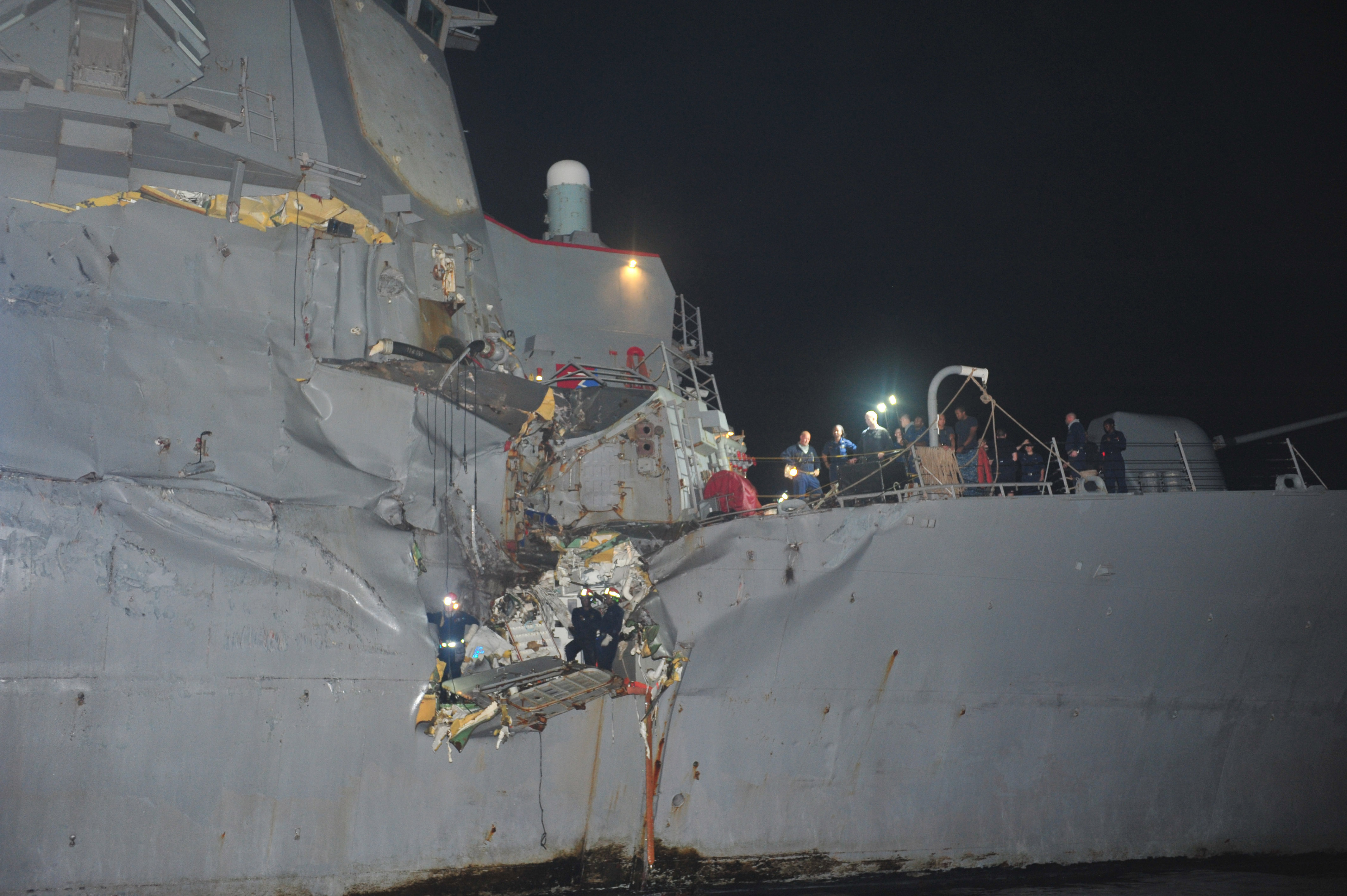
The U.S. Central Command launched air strikes on more than 80 targets in Iran on Tuesday [1].
This escalation marks a significant breakdown in diplomatic efforts to maintain stability in the Persian Gulf and threatens global energy security. The strikes follow a series of missile attacks that hit three oil tankers in the Strait of Hormuz [2].
U.S. officials said the military operation was a direct response to the attacks on the tankers [2]. Alongside the air strikes, the U.S. government revoked a license that previously allowed Iran to sell its oil [3].
Iranian Parliament Speaker Mohammad Bagher Qalibaf said the actions were a "grave violation" of the U.S.–Iran memorandum of understanding [4]. The memorandum, signed in 2021, was intended to end hostilities between the two nations [5].
President Donald Trump addressed the situation during a NATO summit in Ankara. He said the memorandum of understanding signed with Iran, which aimed to end the conflict, "has ended" [6].
Reports indicate the conflict may be expanding beyond the two primary combatants. Some accounts state that Iran carried out attacks on sites in Bahrain and Kuwait in response to the U.S. strikes [7].
U.S. Central Command said, "We bombed more than 80 targets in Iran during the recent operation" [1].
“"We bombed more than 80 targets in Iran during the recent operation"”
The revocation of oil licenses combined with targeted military strikes suggests a return to a 'maximum pressure' strategy. By explicitly declaring the 2021 memorandum of understanding void, the U.S. is removing the primary diplomatic framework that prevented open conflict, potentially leading to a prolonged period of instability in the Strait of Hormuz, a critical chokepoint for global oil shipments.


