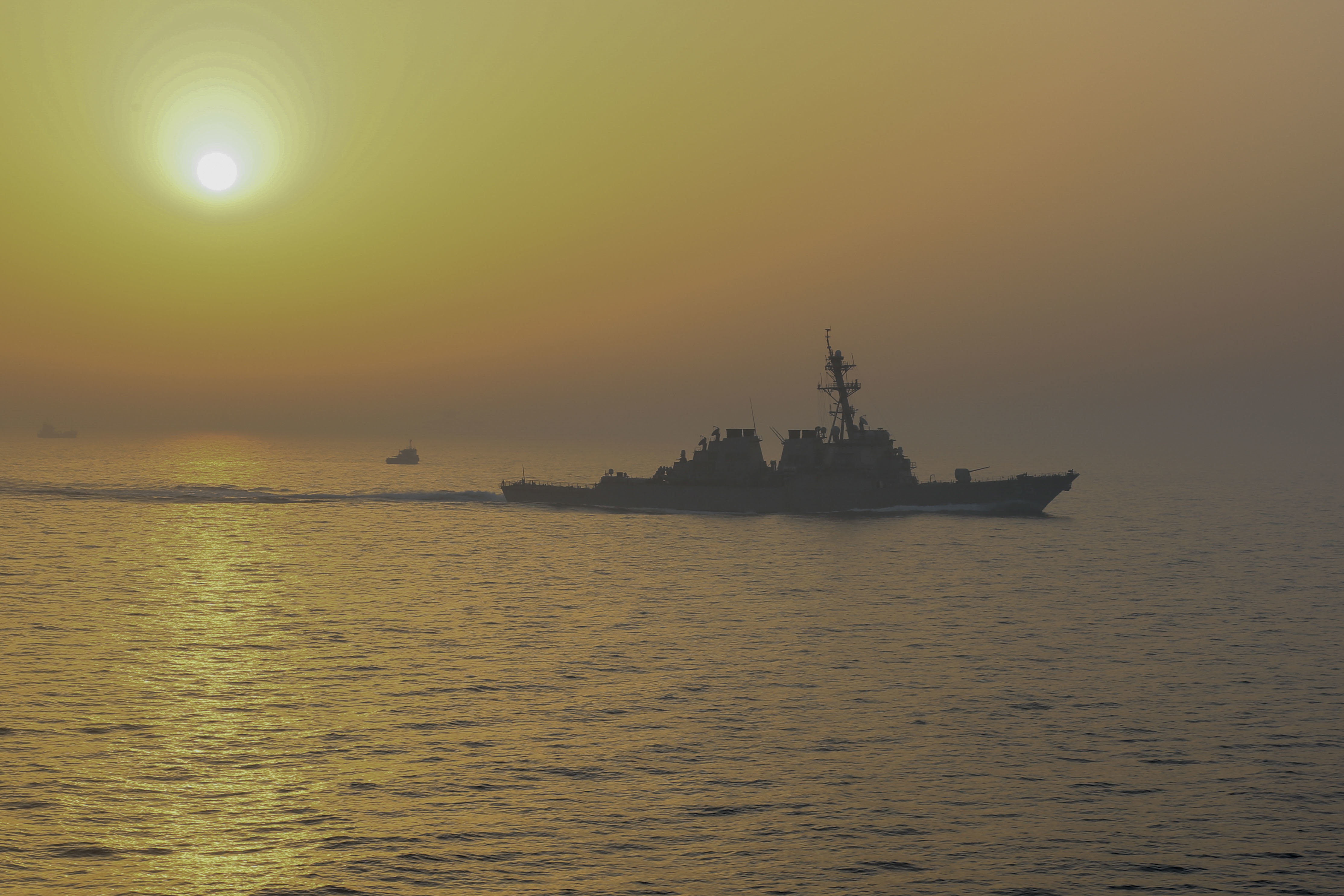
The U.S. planned to reinstate a naval blockade on Iranian ports on Tuesday [1].
This escalation threatens the stability of the Strait of Hormuz, a critical artery for global energy supplies. Any prolonged disruption to shipping in this region risks a surge in crude oil prices, which directly impacts import-dependent economies and global inflation rates.
Iran said it had attacked two tankers [2] in response to the heightened tensions. The conflict stems from a strategic struggle over the waterway, with the U.S. utilizing the blockade to pressure the Iranian government while Iran responds with strikes on commercial shipping.
These geopolitical tensions are already manifesting in financial markets, particularly in India. The country's wholesale price index (WPI) inflation rose to 9.87% [3]. This spike is attributed to the volatility of oil prices and the resulting pressure on the Indian rupee.
Economic analysts said that food prices have also seen a spike [3] as the cost of transporting goods and fuel increases. The interplay between naval conflict and market stability suggests that the economic ripple effects will extend far beyond the immediate combatants.
“The United States planned to reinstate a naval blockade on Iranian ports on Tuesday.”
The convergence of a naval blockade and attacks on tankers in the Strait of Hormuz creates a high-risk environment for global energy security. For economies like India, which rely heavily on oil imports, this conflict translates into immediate domestic inflation and currency devaluation, demonstrating how regional military escalations can trigger systemic economic instability.


