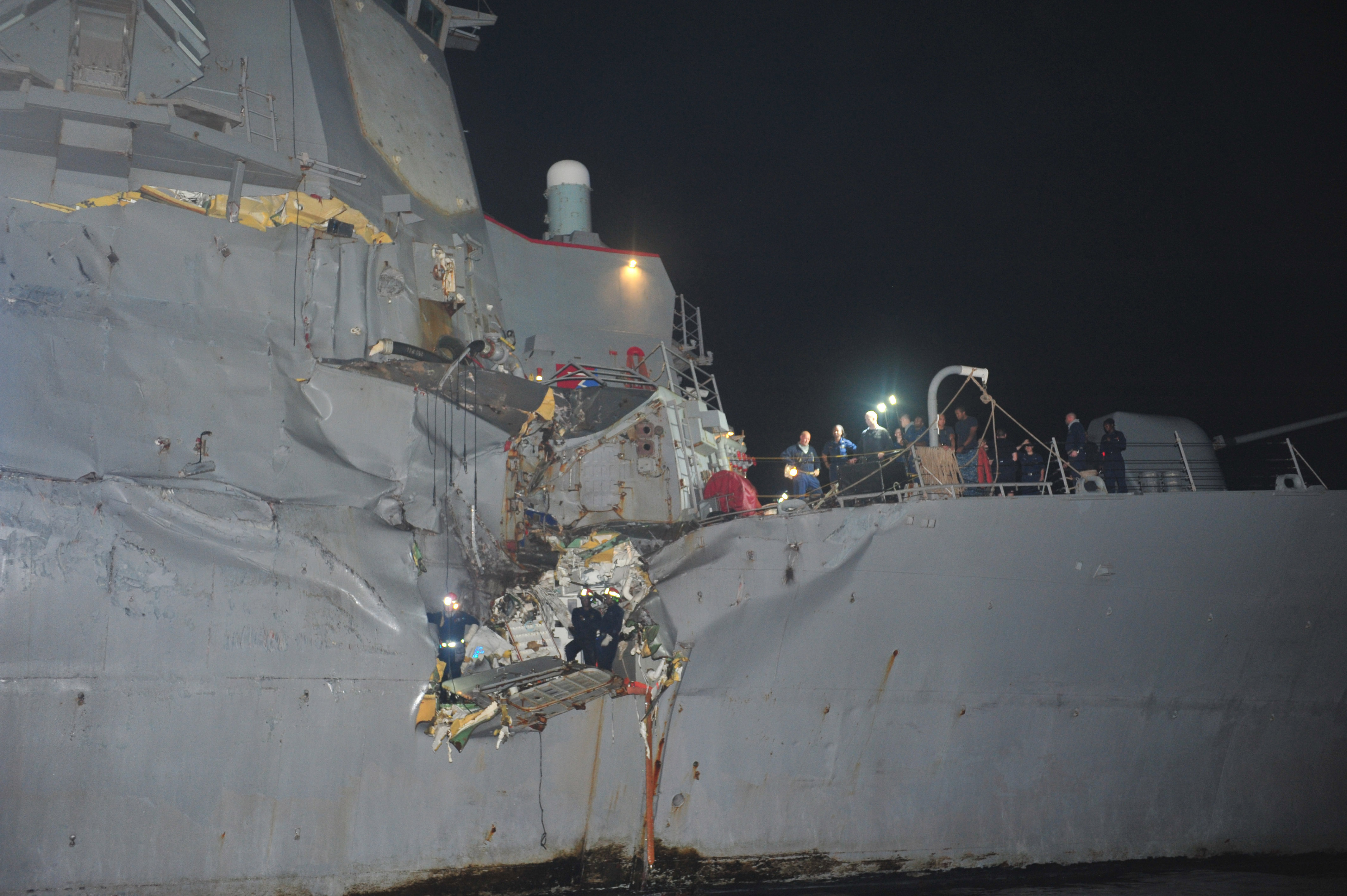
U.S. forces launched airstrikes against tankers attempting to bypass a naval blockade of Iranian ports on Friday, May 8, 2024 [1].
These military actions represent a significant escalation in the effort to prevent oil deliveries to Iran. The blockade is designed to isolate Iranian ports, and restrict the flow of energy resources to the country [1].
U.S. Central Command and U.S. Navy forces carried out the strikes to enforce the embargo. Military officials said the blockade has already stalled 70 ships [1]. The operations took place in the Strait of Hormuz, though some reports placed the strikes in the Gulf of Oman [1, 2].
There are conflicting reports regarding the nature of the targeted vessels. U.S. Central Command said the strikes targeted a group of empty tankers [1]. Other reports described the targets as supertankers capable of carrying 166 million barrels of oil [2].
Iran responded to the strikes on the following Sunday. The Iran Revolutionary Guard Corps (IRGC) Navy said it engaged U.S. Navy destroyers after U.S. forces shot at an Iranian vessel [3]. This response indicates a shift from aerial strikes to direct naval engagement between the two militaries [3].
U.S. officials said the operations are necessary to uphold the blockade's integrity. The IRGC Navy said its actions were a direct response to U.S. aggression in the region [3].
“The blockade has already stalled 70 ships.”
The transition from airstrikes to direct naval engagements between U.S. destroyers and IRGC vessels suggests a narrowing window for diplomatic resolution. By targeting the logistics of oil transport, the U.S. is applying maximum economic pressure, while Iran's willingness to engage U.S. warships indicates a strategy of active deterrence to keep its ports accessible.


