
The armed conflict between the United States and Iran entered its fourth month in May 2026 [2].
The prolonged engagement threatens global energy stability and regional security as both nations struggle to reach a settlement over strategic control of the Strait of Hormuz. The conflict began following a U.S.-Israel attack on Iran, leading to a volatile military standoff in the Middle East.
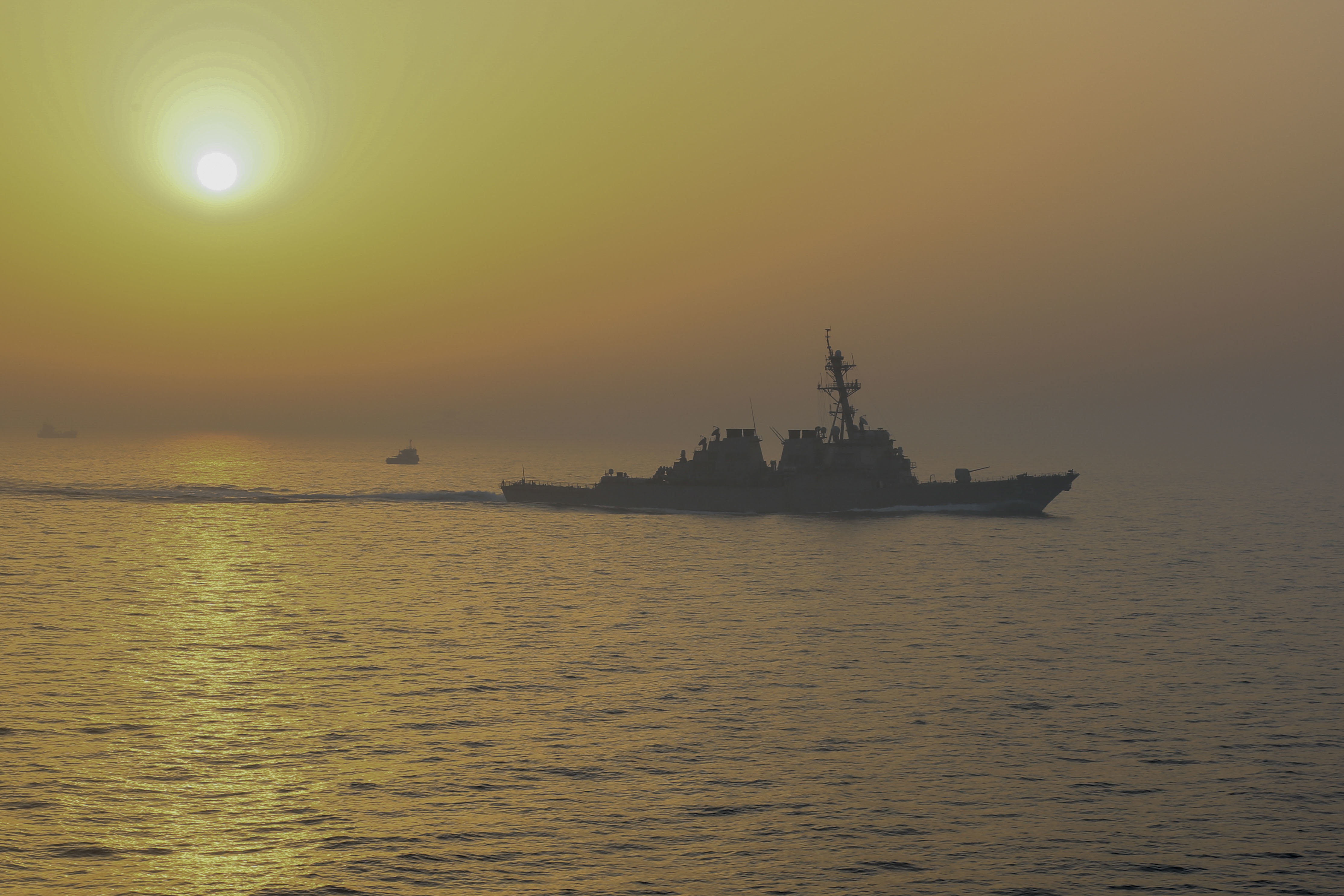
U.S. forces currently maintain a naval blockade of the Strait of Hormuz and surrounding waters [1, 4]. Despite the military pressure, diplomatic efforts continue through mediated channels. Secretary of State Marco Rubio (R-FL) said there is "slight progress in mediated negotiations with Iran" [3]. However, other reports indicate a deadlock, with some officials describing Iran's peace offerings as "garbage" and suggesting Tehran continues to seek a total victory [6].
President Donald Trump (R) said the war "will be over with soon" [3]. This optimistic outlook contrasts with reports that the standoff risks fresh conflict and further escalation [1]. The U.S. previously waited 10 days for Iran to respond to a proposed peace framework before the situation deteriorated further [6].
The financial toll of the engagement is mounting. The cost of the war to the United States has reached $29 billion [5]. While the U.S. seeks a favorable settlement, reports suggest the Pentagon is preparing for a fresh round of strikes against Iran [3].
Negotiations remain fragile as both sides trade claims of progress while maintaining military readiness. The strategic importance of the Strait of Hormuz remains the central point of contention, a bottleneck that controls a significant portion of the world's oil transit.
“"Will be over with soon"”
The conflict has evolved from a targeted strike into a war of attrition centered on maritime choke points. The $29 billion expenditure and the continued naval blockade indicate that the U.S. is using economic and strategic pressure to force Iranian concessions. However, the contradiction between official reports of 'slight progress' and the preparation for new strikes suggests that diplomacy is currently being used as a hedge against military escalation rather than a primary path to peace.


