Doug Bandow said direct talks between the U.S. and Iran are essential for building trust following a ceasefire [1, 2].
These negotiations are critical because the current state of diplomacy is hindered by deep mutual distrust and external political pressures. Without a direct channel of communication, the risk of renewed conflict remains high, even after a formal cessation of hostilities.
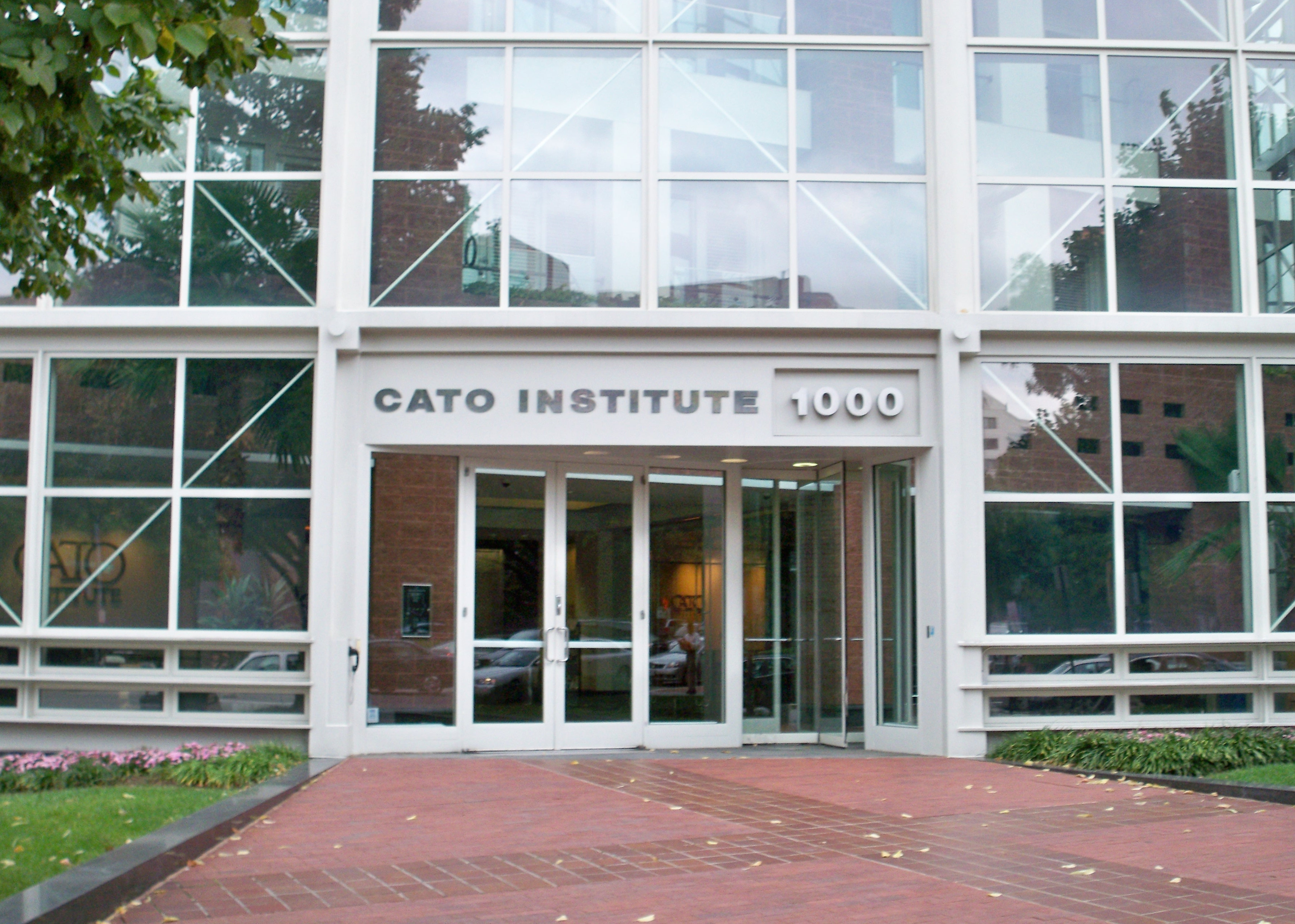
Bandow, a senior fellow at the Cato Institute and former special assistant to Ronald Reagan, detailed these views during a live interview in Washington, D.C. [1]. He said that the path to stability requires a willingness to engage directly with Tehran to establish a foundation of reliability.
However, the process faces significant hurdles. Bandow said that deep distrust between the two nations complicates the possibility of a breakthrough [1, 2]. He also said that opposition from Israel serves as a major obstacle to the diplomatic process [1, 2].
Despite these challenges, Bandow said that the alternative to direct dialogue is a continued cycle of escalation. He said, "Direct US‑Iran talks are essential for building trust after a ceasefire" [1].
By prioritizing direct engagement, the U.S. could potentially mitigate the volatility of the region. Bandow said that the current diplomatic vacuum allows misconceptions to flourish, making formal talks the only viable way to ensure a lasting peace.
“Direct US‑Iran talks are essential for building trust after a ceasefire.”
This perspective highlights a tension between strategic diplomacy and geopolitical alliances. While direct talks could reduce the immediate risk of war, they clash with the security objectives of regional allies like Israel, suggesting that any move toward a U.S.-Iran rapprochement would require a significant shift in U.S. foreign policy priorities.


