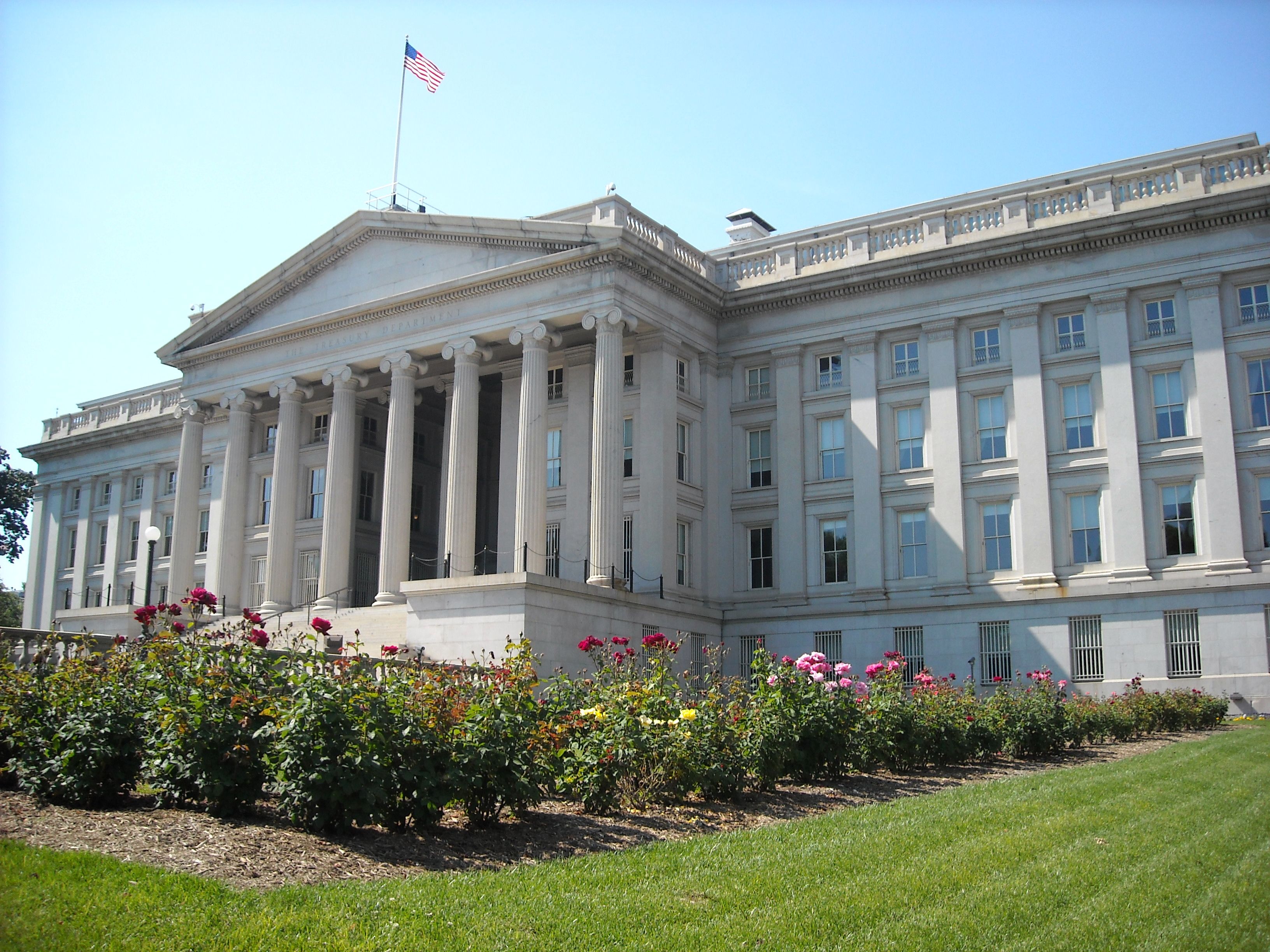
Treasury Secretary Scott Bessent announced a new round of U.S. economic sanctions against Iran on Monday afternoon [1].
The measures aim to force Tehran to negotiate an end to a conflict that has lasted six months [4]. The administration seeks the full reopening of the Strait of Hormuz as part of a broader effort to end the hostilities.
Bessent described the initiative as a "maximum pressure" campaign, referring to the package as an "economic D-Day" [2]. The sanctions effort is dubbed Operation Economic Outcast, though some reports refer to it as Operation Outcast [2, 3].
Speaking from the U.S. Treasury Department in Washington, D.C., Bessent said the goal is to isolate the Iranian government. "Our objective is to sever every economic lifeline that sustains this tyrannical regime," Bessent said [1].
The Treasury Secretary signaled a shift away from previous diplomatic strategies. "Appeasement no longer works," Bessent said [2].
President Donald Trump also commented on the state of the Iranian government following the announcement. "Iran is completely collapsing," Trump said [2].
The administration intends to use these financial levers to cut off the remaining economic channels available to Tehran [1]. This strategy follows months of escalating tension and military conflict in the region.
“"Our objective is to sever every economic lifeline that sustains this tyrannical regime."”
The launch of Operation Economic Outcast represents a return to the 'maximum pressure' strategy, using aggressive financial isolation to achieve geopolitical concessions. By targeting the remaining economic lifelines of the Iranian regime during a period of active conflict, the U.S. is attempting to leverage economic instability to force a diplomatic resolution and secure critical maritime trade routes in the Strait of Hormuz.


