The United States and Iran have reached a framework agreement intended to establish peace and reopen the Strait of Hormuz [1].
The deal arrives at a critical moment for global trade, as the Strait of Hormuz serves as one of the world's most vital shipping lanes. Any sustained closure or instability in the region threatens global energy prices and the secure movement of commercial goods.
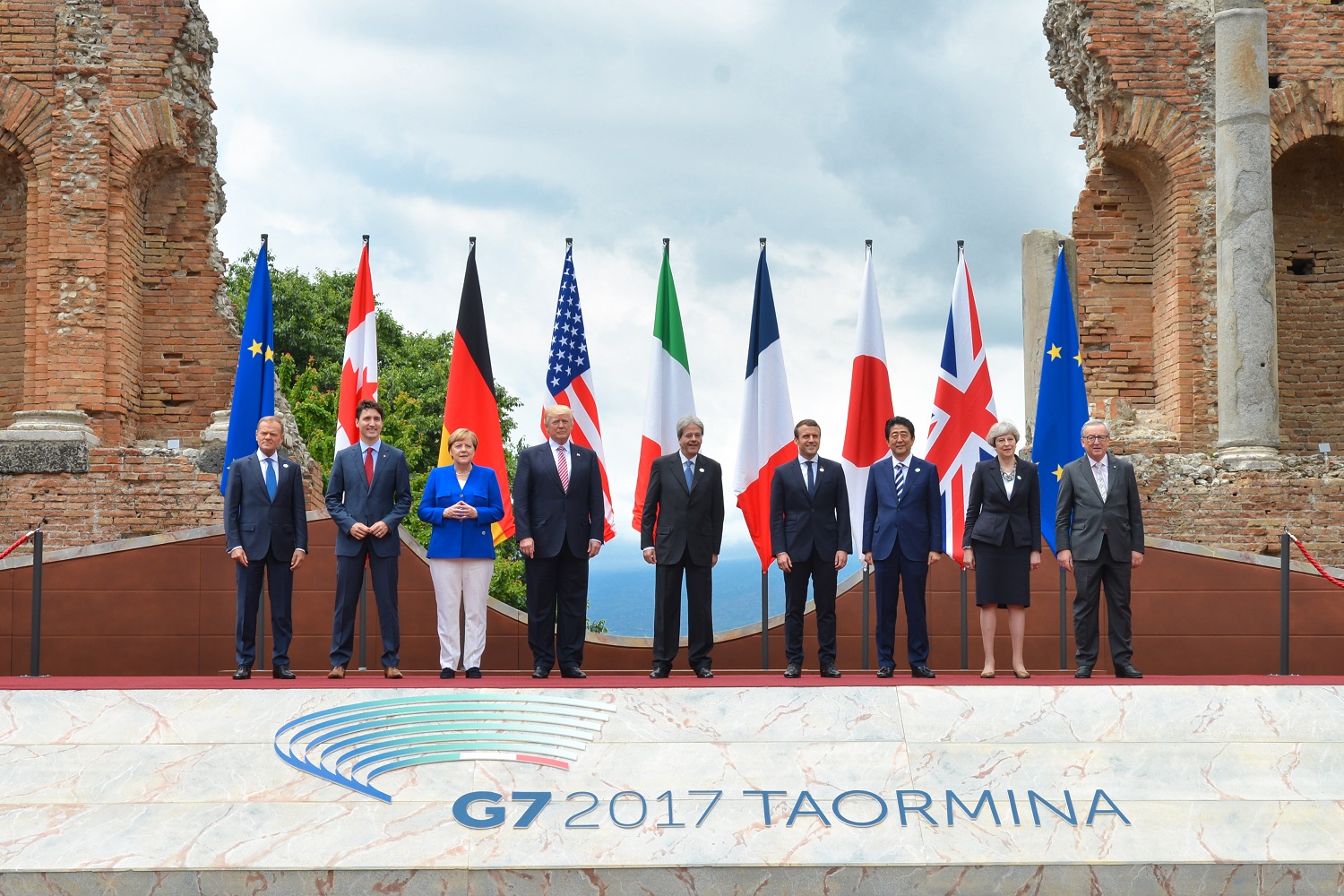
President Donald Trump is traveling to France for the G7 summit, where the diplomatic breakthrough is expected to be a primary point of discussion [1]. The framework agreement aims to pave the way for a broader peace between the two nations and ensure that maritime traffic can resume without interference [1].
Details regarding the specific terms of the agreement have not been fully disclosed. However, the primary objective remains the restoration of stability in the Persian Gulf and the normalization of shipping routes [1].
Representatives from the G7 nations are meeting in France to coordinate international policy. The timing of the US-Iran deal suggests a shift in regional strategy as the U.S. administration seeks to resolve long-standing tensions through this new framework [1].
Official statements from the U.S. government are expected to follow as the president arrives in France. The international community remains focused on whether this framework will lead to a permanent treaty or a lasting ceasefire [1].
“The United States and Iran have reached a framework agreement intended to establish peace.”
This framework agreement represents a potential pivot in U.S. foreign policy toward Iran. By prioritizing the reopening of the Strait of Hormuz, the administration is addressing a systemic risk to the global economy. The success of this deal depends on whether the framework can be translated into a verifiable agreement that satisfies both the security requirements of the U.S. and the political demands of the Iranian government.


'%2F%3E%0A%20%20%20%20%3Crect%20width%3D'1600'%20height%3D'900'%20fill%3D'url(%23v)'%2F%3E%0A%20%20%20%20%3Cg%20opacity%3D'0.08'%20fill%3D'%23ffffff'%3E%0A%20%20%20%20%20%20%3Ccircle%20cx%3D'1420'%20cy%3D'180'%20r%3D'220'%2F%3E%0A%20%20%20%20%20%20%3Ccircle%20cx%3D'1500'%20cy%3D'760'%20r%3D'120'%2F%3E%0A%20%20%20%20%3C%2Fg%3E%0A%20%20%20%20%3Cline%20x1%3D'80'%20y1%3D'172'%20x2%3D'220'%20y2%3D'172'%20stroke%3D'%23ffffff'%20stroke-width%3D'3'%20stroke-opacity%3D'0.6'%2F%3E%0A%20%20%20%20%3Ctext%20x%3D'80'%20y%3D'140'%20font-family%3D'Inter%2C%20-apple-system%2C%20Helvetica%2C%20sans-serif'%20font-weight%3D'700'%20font-size%3D'28'%20fill%3D'%23ffffff'%20letter-spacing%3D'6'%3EHANNA%20%C2%B7%20NEWS%3C%2Ftext%3E%0A%20%20%20%20%3Ctext%20x%3D'80'%20y%3D'230'%20font-family%3D'Inter%2C%20-apple-system%2C%20Helvetica%2C%20sans-serif'%20font-weight%3D'600'%20font-size%3D'40'%20fill%3D'%23ffffffb3'%20letter-spacing%3D'4'%3EWORLD%3C%2Ftext%3E%0A%20%20%20%20%3Ctext%20x%3D'80'%20y%3D'694'%20font-family%3D'Playfair%20Display%2C%20Georgia%2C%20serif'%20font-weight%3D'800'%20font-size%3D'110'%20fill%3D'%23ffffff'%20letter-spacing%3D'-1'%3EKOSPI%20Surges%20After%20US-Iran%3C%2Ftext%3E%3Ctext%20x%3D'80'%20y%3D'820'%20font-family%3D'Playfair%20Display%2C%20Georgia%2C%20serif'%20font-weight%3D'800'%20font-size%3D'110'%20fill%3D'%23ffffff'%20letter-spacing%3D'-1'%3ECease-Fire%20Agreement%3C%2Ftext%3E%0A%20%20%20%20%3Ctext%20x%3D'80'%20y%3D'870'%20font-family%3D'Inter%2C%20-apple-system%2C%20Helvetica%2C%20sans-serif'%20font-weight%3D'500'%20font-size%3D'22'%20fill%3D'%23ffffff66'%20letter-spacing%3D'2'%3Enews.hanna-ai.com%3C%2Ftext%3E%0A%20%20%3C%2Fsvg%3E)