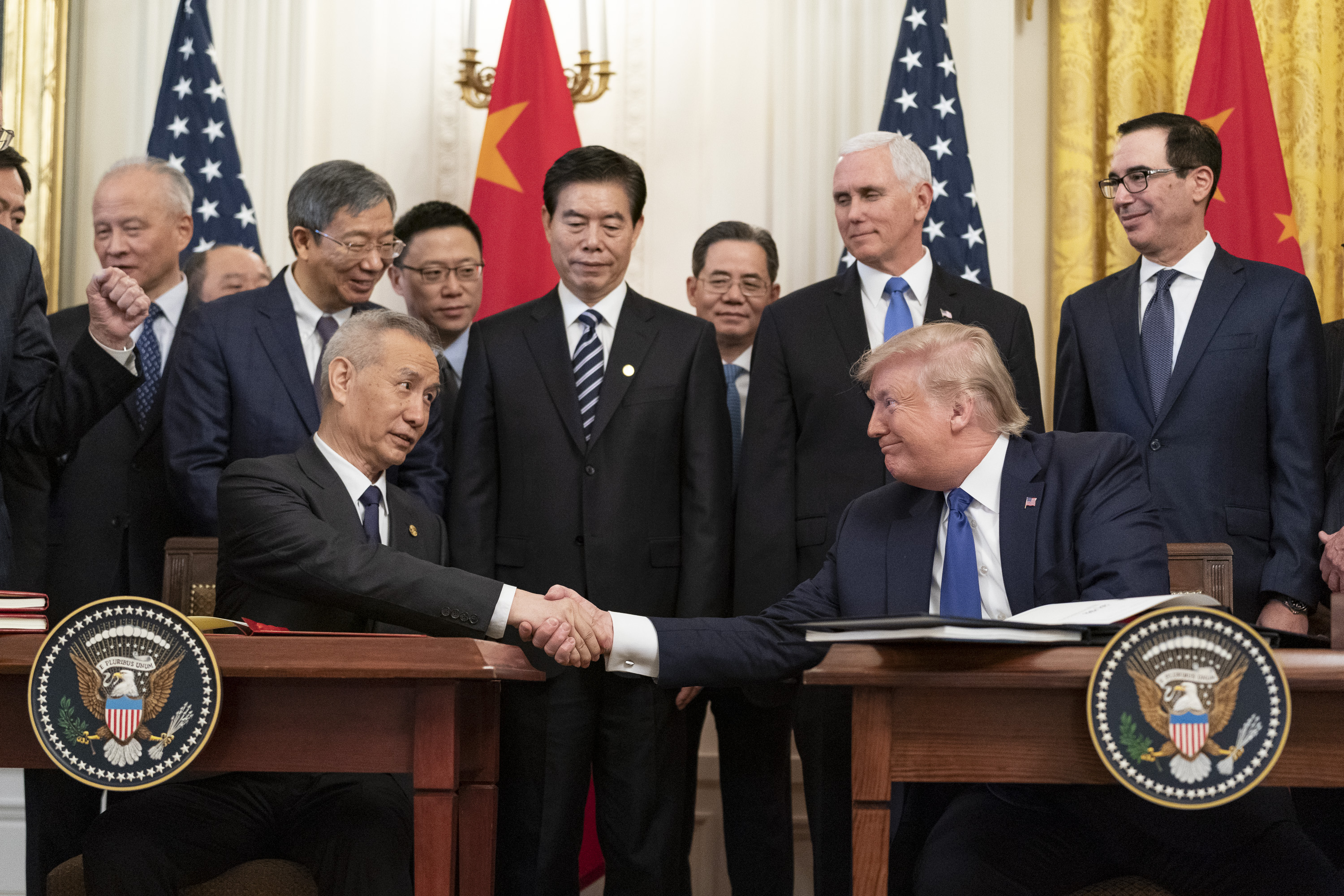
The United States and Iran are expected to sign a Memorandum of Understanding in Geneva, Switzerland, to establish a cease-fire and peace agreement.
This agreement represents a critical attempt to halt military hostilities and stabilize global energy markets by reopening the Strait of Hormuz for commercial shipping.
The deal focuses on ending the U.S.–Iran conflict through a framework that would stop military operations on all fronts. A Pakistani mediator said the agreement will end "military operations on all fronts" [1]. The resolution is intended to cease ongoing military actions and ensure the safety of maritime trade in one of the world's most vital shipping lanes.
Reports regarding the exact timing of the signing ceremony vary. The BBC said the signing is scheduled for Friday in Switzerland [1]. However, the Times of Israel said President Donald Trump claimed the deal would be signed on Sunday [2].
Despite these reports, the Times of Israel said there has been "no confirmation from Tehran" regarding the specific date [2]. The negotiations in Geneva aim to address key demands from both nations to ensure a sustainable end to the war.
If successful, the deal will facilitate the immediate reopening of the Strait of Hormuz. A reporter for NBC News said "the Strait of Hormuz will reopen" as part of the broader peace effort [3]. The reopening is seen as a primary objective to reduce economic volatility and ensure the flow of oil and goods through the region.
“"The agreement will end 'military operations on all fronts'"”
The potential signing of this MOU signifies a strategic pivot in U.S. foreign policy toward Iran, prioritizing the stabilization of the Strait of Hormuz over continued military escalation. Because the strait is a global chokepoint for oil shipments, the deal's success is tied less to long-term diplomatic trust and more to the immediate economic necessity of maintaining global energy security.