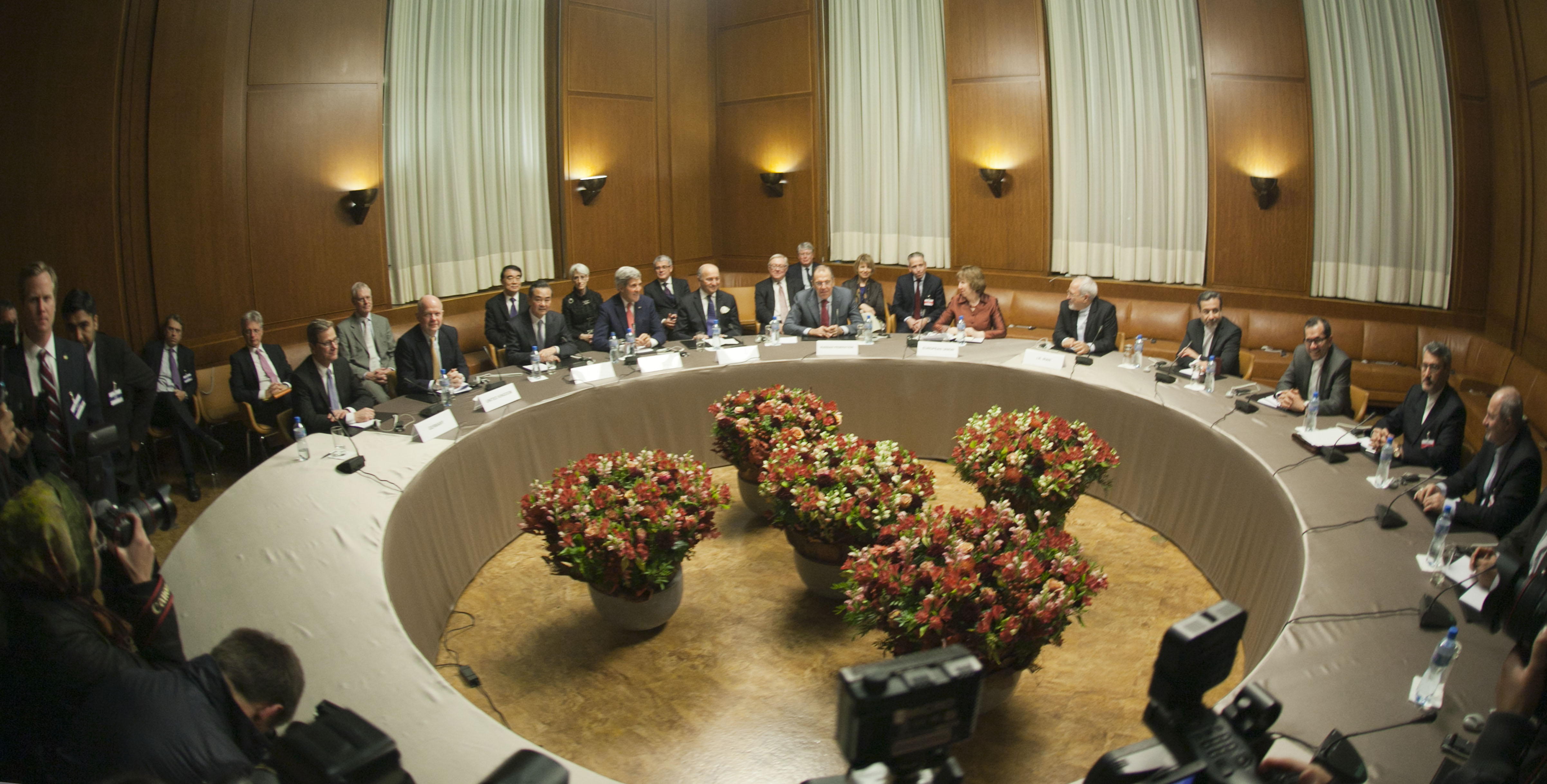
U.S. and Iranian officials concluded the first round of high-level diplomatic negotiations in Geneva, Switzerland, on Monday, June 21, 2026 [1].
These talks represent a critical attempt to prevent further escalation in the Middle East. The discussions focused on Iran's nuclear program and regional security concerns, specifically the potential closure of the Strait of Hormuz, which serves as a vital artery for global energy shipments.
The U.S. delegation included three named officials [2]: Vice President JD Vance (R-OH), Jared Kushner, and special envoy Steve Witkoff. Reports vary on the leadership of the group, with some sources saying Vice President Vance led the delegation while others link Secretary of State Marco Rubio to a leading role.
Iran sent two named officials to the table [2], including Parliament Speaker Mohammad Bagher Ghalibaf and Foreign Minister Abbas Araghchi. Observers said that Iran's Supreme Leader has taken a more active role in these negotiations than in previous diplomatic efforts.
While some reports state the first round of talks ended on June 21 [1], other accounts suggest that certain technical discussions were postponed and are currently being put back on track. The meetings in Switzerland mark the first time the two nations have engaged in such direct, high-level dialogue regarding nuclear and security issues in recent years.
Both parties sought to address the volatile security environment in the region. The focus on the Strait of Hormuz highlights the economic stakes involved, as any disruption to shipping in the area would likely trigger global market instability.
“The discussions focused on Iran's nuclear program and regional security concerns.”
The resumption of high-level talks signals a shift toward diplomatic engagement after a period of intense friction. By involving the Vice President and the Iranian Parliament Speaker, both governments are signaling that the outcomes of these talks carry significant political weight. The focus on the Strait of Hormuz suggests that economic stability is a primary driver for this rapprochement, as both nations seek to avoid a full-scale maritime conflict that would disrupt global oil supplies.


