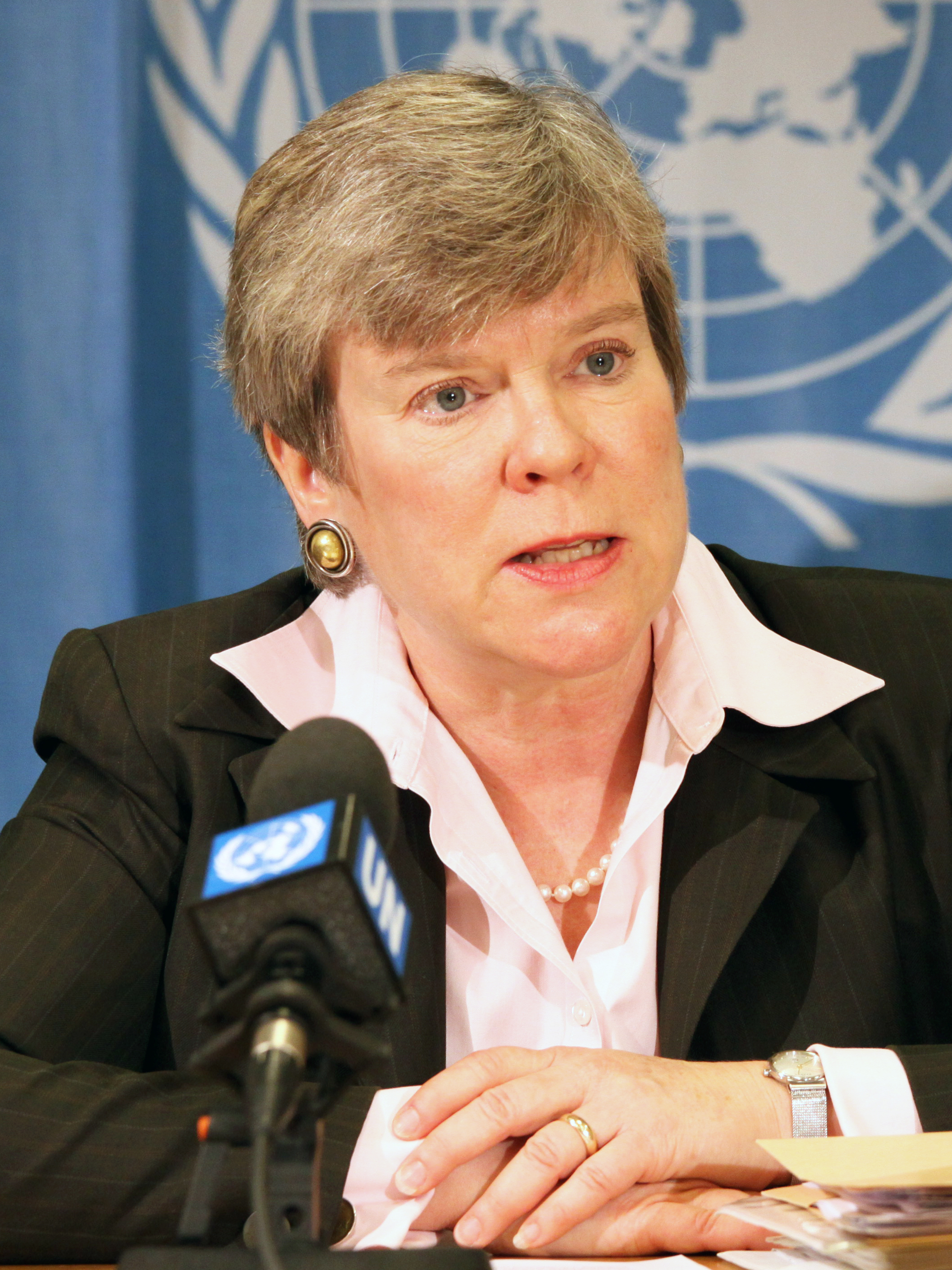
U.S. and Iranian delegations concluded their first session of direct talks in Geneva on June 22, 2024 [1].
These discussions represent a critical attempt to establish a comprehensive cooperative relationship. The two nations are seeking to end fighting in the Middle East, and secure the abandonment of nuclear development ambitions [1, 2].
The talks began on June 21, 2024 [1]. The U.S. delegation was led by Vice President JD Vance (R-OH). According to reports from Tasnim News, the Iranian delegation consisted of representatives closely linked to the Islamic Revolutionary Guard Corps [1].
Despite the diplomatic setting, the atmosphere remained strained. Vice President Vance said, "Our goal is very simple. Through diplomacy, we will work together to transform the Middle East" [1]. However, the Iranian delegation reportedly refused to participate in handshakes or photo opportunities [1].
The friction intensified following social media posts by President Donald Trump. Iran reacted strongly to what it described as intimidating language used by the U.S. president on his social media platforms [2].
Reports on the current status of the dialogue are contradictory. Some sources indicate that while the initial session has ended, working-level talks will continue [1]. Other reports suggest that Iran has suspended the discussions as of several days ago [1].
Additionally, President Trump met with close aides to make a final decision regarding a framework for extending a ceasefire with Iran. No clear conclusion was reached during that meeting [1].
“"Our goal is very simple. Through diplomacy, we will work together to transform the Middle East"”
The conclusion of the first session without a clear agreement or a unified timeline for future talks underscores the volatility of U.S.-Iran relations. The disconnect between the diplomatic efforts led by the Vice President and the public rhetoric of the President creates a dual-track approach that may hinder the establishment of trust necessary for a nuclear deal or regional peace.


