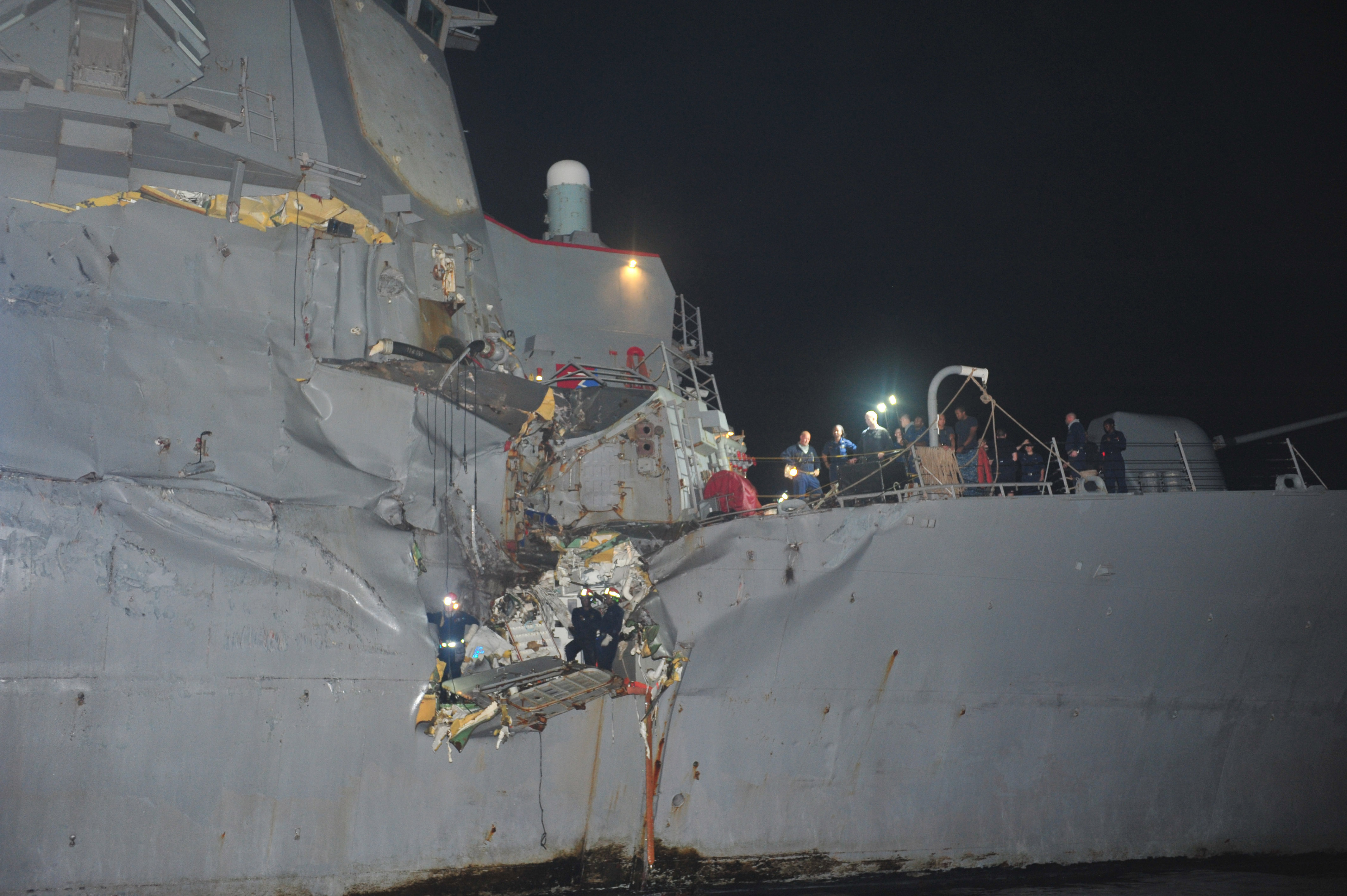
The United States and Iran are engaged in a maritime and diplomatic standoff following a U.S. naval blockade of the Strait of Hormuz.
The confrontation threatens global energy security and halts progress on nuclear negotiations. Because the strait is a critical chokepoint for global oil shipments, any prolonged closure risks significant economic instability.
Iran fully closed the Strait of Hormuz on April 18, 2026 [2], reporting that it would not lift the restriction until Washington ended its naval pressure on the waterway. An Iranian Foreign Ministry official said, "Iran will not lift the blockade until Washington ends its naval pressure on the Strait of Hormuz."
The U.S. has maintained its blockade to pressure Iran to abandon its nuclear program and ensure the waterway remains open for commercial shipping. A U.S. State Department spokesperson said, "We are working toward extending a cease-fire and restarting negotiations about a longer-term peace deal."
The economic impact of the standoff was immediate. Oil prices rose more than five percent [1] as the closure prevented tankers from using the strait. This volatility reflects the fragility of energy markets when geopolitical tensions escalate in the Persian Gulf, specifically near Qeshm Island.
While some reports suggest Tehran is demanding war reparations from the U.S. and its allies, these claims have not been corroborated by other primary diplomatic sources. The verified focus of the current impasse remains the naval blockade, and the conditions for resuming nuclear talks.
“"Iran will not lift the blockade until Washington ends its naval pressure on the Strait of Hormuz."”
The standoff represents a return to 'maximum pressure' tactics, where maritime access is used as leverage for nuclear disarmament. By closing the Strait of Hormuz, Iran is utilizing its geographic advantage to create global economic pressure, forcing the U.S. to weigh the cost of oil price spikes against its strategic goals for Iranian nuclear containment.


