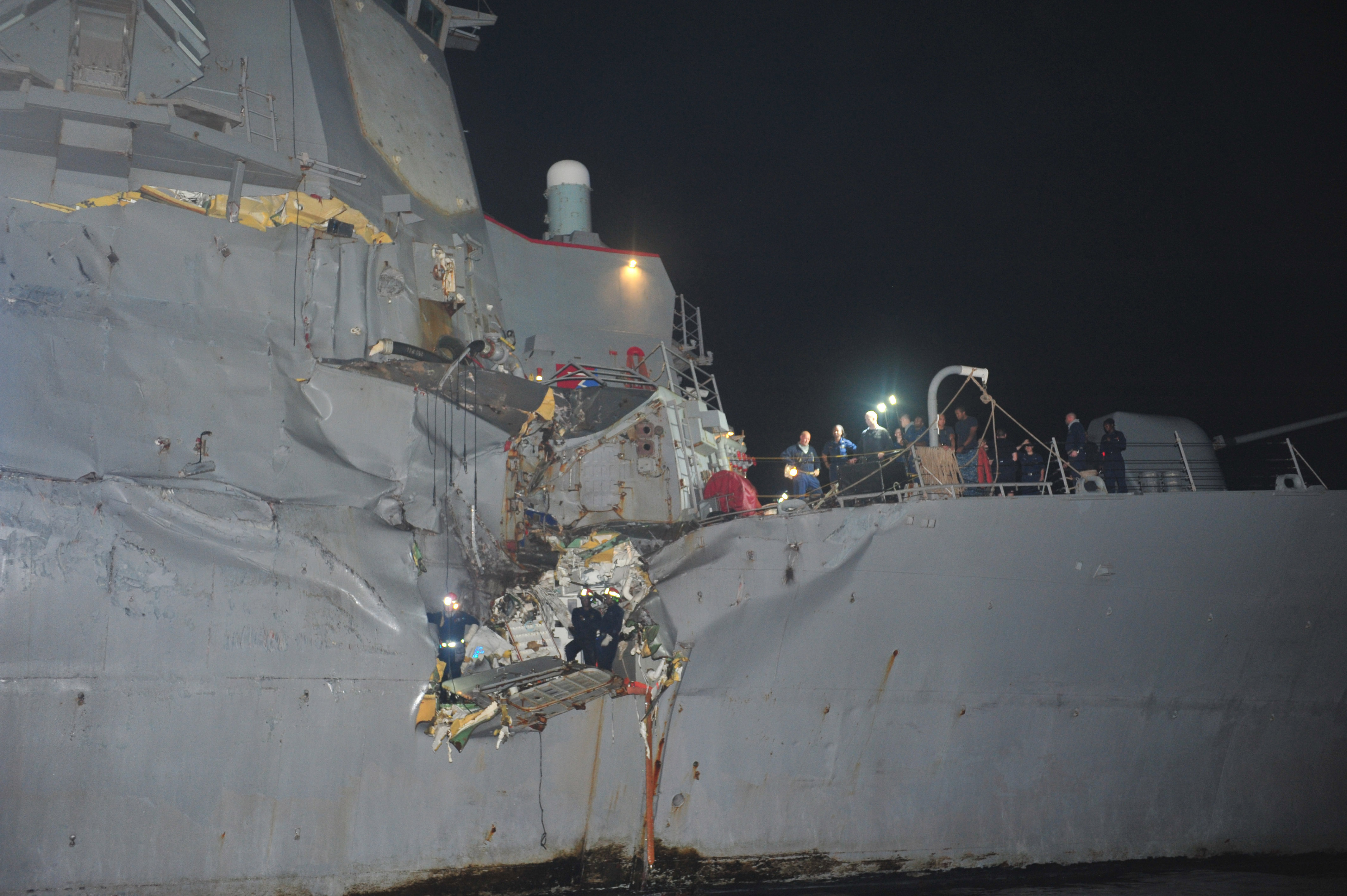
U.S. and Iranian military forces exchanged fire in the Strait of Hormuz on May 7, 2026 [1].
The clash occurred in one of the world's most critical maritime corridors, threatening the stability of global oil shipments and jeopardizing ongoing diplomatic efforts to secure a peace deal.
The confrontation began when Iranian forces allegedly fired on U.S. warships [1]. In response, the U.S. military launched strikes against Iranian targets [1]. However, reports on the initiation of the conflict vary. While some accounts state Iran fired first, other reports indicate that both nations claim the other side opened fire [2].
The strategic waterway, which links the Persian Gulf with the Gulf of Oman, has become the center of this escalating tension [2]. The exchange of fire follows a period of high alert and a fragile ceasefire that had been holding between the two powers [1].
Following the U.S. retaliatory strikes, reports emerged from within Iran regarding the impact of the operation. Two explosions were reported in Tehran [4]. These strikes in the capital signify an escalation beyond the immediate naval theater of the Strait of Hormuz.
Diplomatic sources said that these events occur against the backdrop of broader peace negotiations [1]. The volatility of the region remains high as both military forces maintain their presence in the Gulf. Neither side has provided a full casualty count, but the breach of the ceasefire marks a significant setback for recent attempts to stabilize the region [3].
“U.S. and Iranian military forces exchanged fire in the Strait of Hormuz on May 7, 2026”
The exchange of fire in the Strait of Hormuz represents a critical failure of the current ceasefire and threatens the viability of pending peace negotiations. Because the Strait is a primary artery for global energy supplies, any sustained military conflict in these waters could trigger immediate volatility in global oil markets and force a realignment of U.S. naval strategy in the Middle East.


