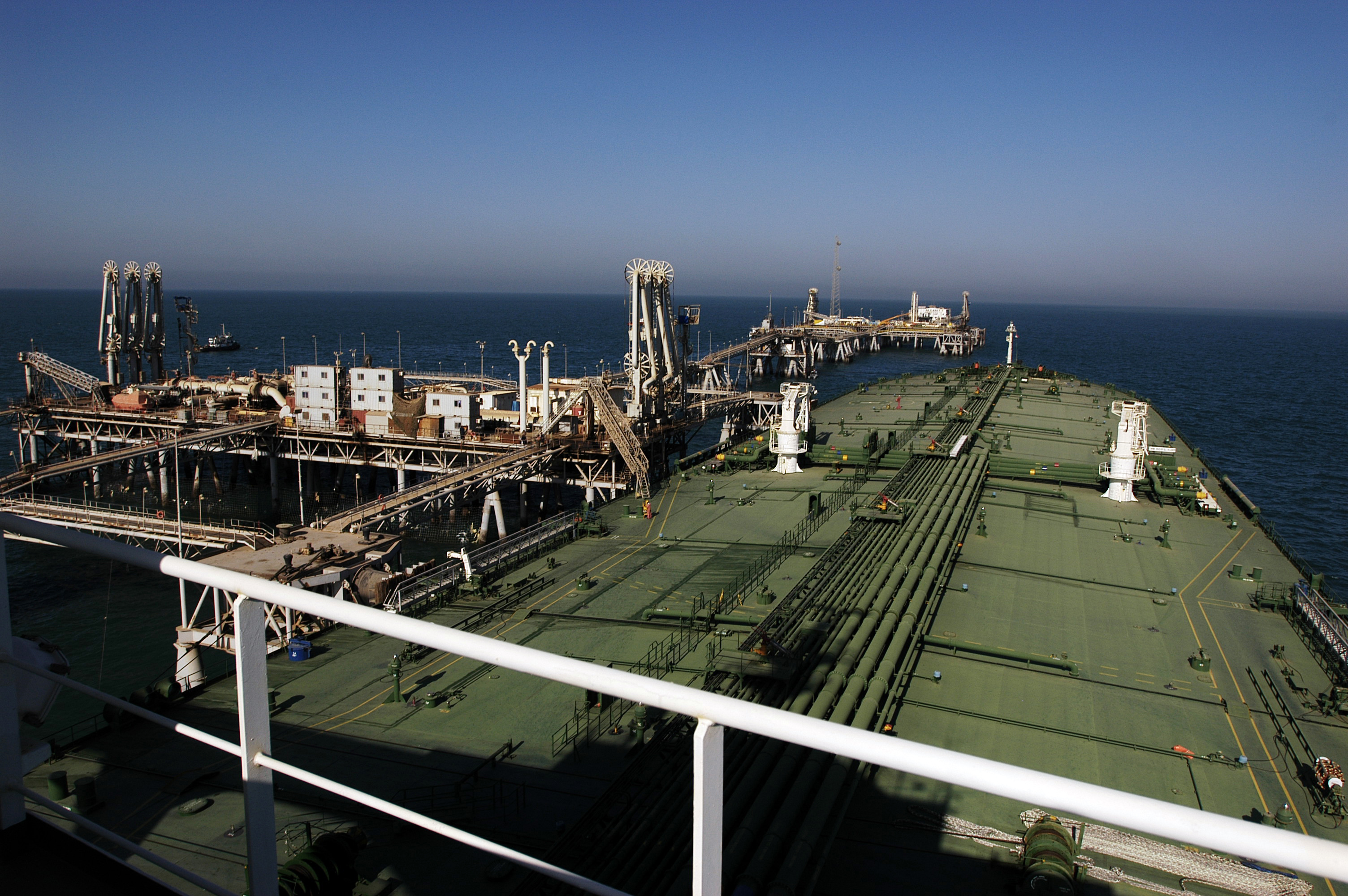
Global stock indices moved toward record highs while crude oil prices fell this week [1, 2, 3].
This market shift follows signals from U.S. and Iranian officials that a deal to reopen the Strait of Hormuz is close. Such an agreement would restore critical oil flows and reduce the risk of supply disruptions in the Persian Gulf [2, 4].
Investors reacted to the news between May 21 and May 24, 2026 [1, 5]. The anticipation of a diplomatic resolution eased concerns over energy costs, fueling a rally in equity markets across the U.S. and Asia [1, 2].
Crude oil prices dropped 3.3% to approximately $91 per barrel [3]. While some reports indicated oil was holding above $100, other market data showed West Texas Intermediate falling to the $91 level [3, 6].
Market participants focused on the potential for a stable transition in the Strait of Hormuz. The region remains a primary chokepoint for global energy transit, and any agreement to ensure passage would lower the geopolitical risk premium currently priced into oil contracts [2, 4].
Equity markets showed similar volatility but generally trended upward. The Nasdaq 100 climbed toward record levels as the prospect of lower energy costs improved the outlook for global corporate earnings [3].
“Global stock indices moved toward record highs while crude oil prices fell.”
The inverse relationship between these indices highlights the market's sensitivity to energy security. A deal to reopen the Strait of Hormuz would remove a significant systemic risk to the global economy, lowering inflation expectations and allowing equity markets to price in growth rather than geopolitical instability.

