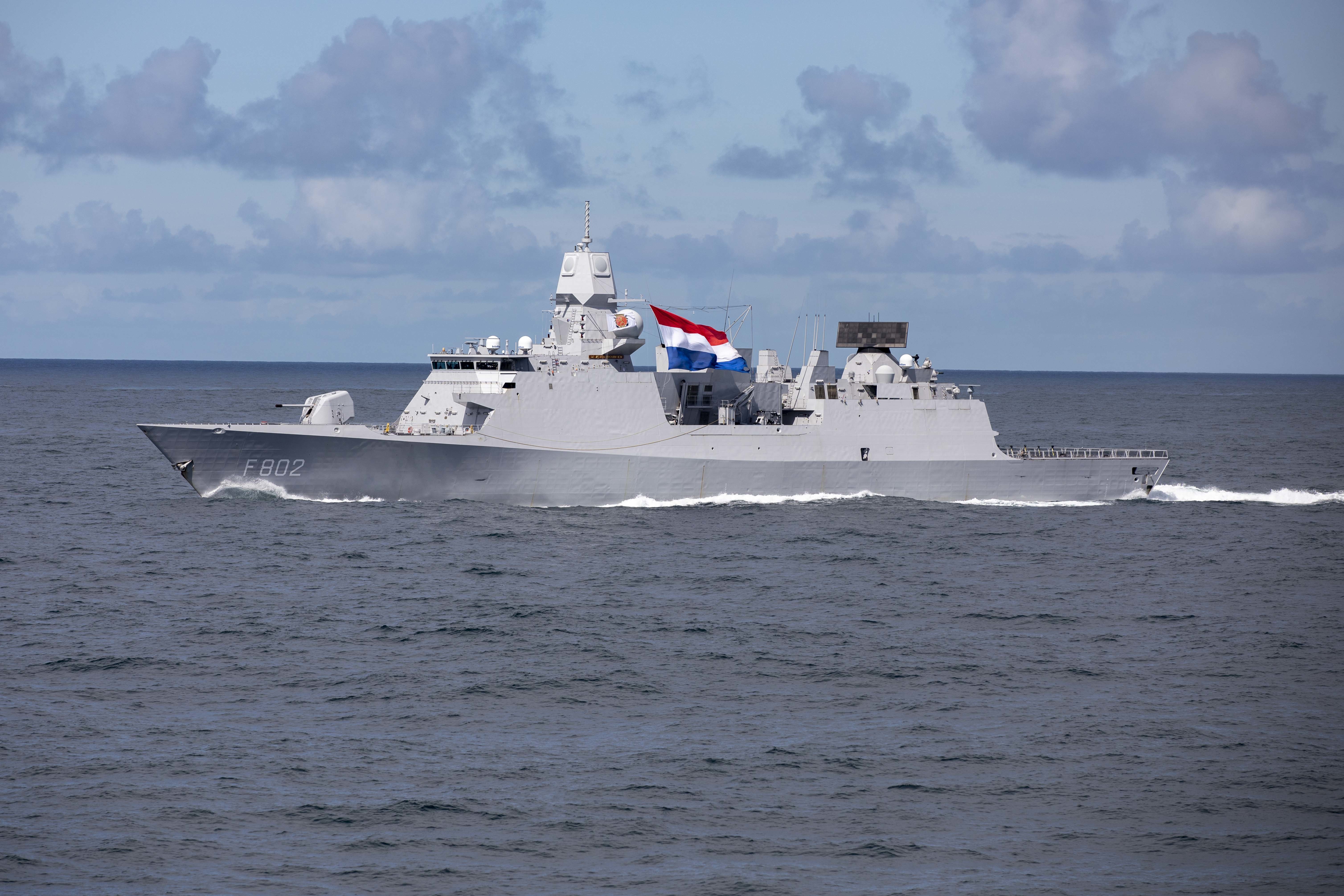
The U.S. military shot down at least four Iranian drones fired toward the Strait of Hormuz on June 5, 2026 [1].
This confrontation marks a significant escalation in the ongoing conflict between the two nations. Because the Strait of Hormuz is a critical artery for global oil shipments, any military instability in the region threatens international energy markets and maritime security.
Iranian forces launched the drones in an effort to pressure the U.S. to lift its current naval blockade and end the war [2]. The U.S. military responded by intercepting the aircraft to defend its personnel and maintain open shipping lanes [2].
Seyed Abbas Araghchi said, "Countries must unite against American bullying, and such practices must be consigned to the 'dustbin of history.'"
The engagement resulted in the destruction of at least four drones [1]. U.S. officials have not provided further details on the specific types of aircraft intercepted or whether any one drone successfully penetrated the defensive perimeter.
This latest incident follows a period of heightened volatility in the region. The U.S. continues to maintain a naval presence to ensure the free flow of commerce, a strategy that Iran views as an illegal blockade.
Both nations have previously traded accusations of aggression in the waterway, but the direct targeting of military assets with drones increases the risk of a wider conventional conflict. The U.S. has signaled that it will continue to use necessary force to protect its assets in the region.
“The U.S. military shot down at least four Iranian drones fired toward the Strait of Hormuz.”
The use of drones in the Strait of Hormuz indicates a shift toward asymmetric warfare intended to challenge U.S. naval hegemony. By targeting one of the world's most important chokepoints, Iran is attempting to leverage global economic anxiety over oil prices to force a diplomatic concession regarding the naval blockade. This cycle of attack and interception suggests that neither side is currently seeking a ceasefire, increasing the likelihood of a miscalculation that could trigger a full-scale naval war.