
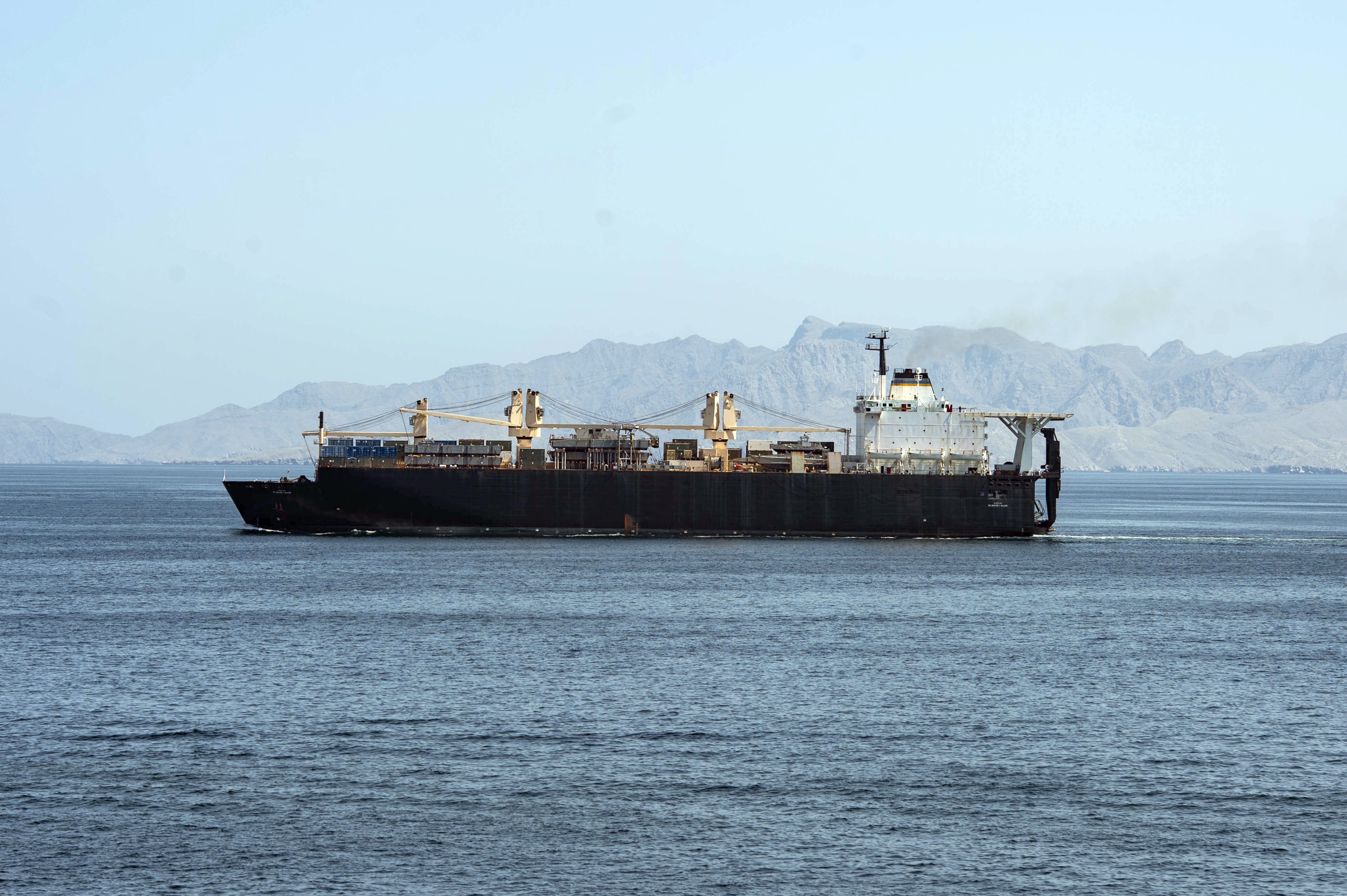
U.S. and Iranian forces exchanged military strikes this week after the Revolutionary Guard targeted a U.S. airbase and the U.S. hit drone sites [1, 3].
The escalation threatens a fragile peace in the Strait of Hormuz, a critical waterway for global oil shipments. With oil prices rising, the conflict puts a precarious cease-fire at risk and complicates diplomatic efforts to stabilize the region.
Iranian forces launched a missile strike that hit a U.S. base in Kuwait on May 27, 2026 [2]. In response, the U.S. military targeted Iranian drone operations. A spokesperson for the U.S. Department of Defense said, "We shot down Iranian drones near the Strait of Hormuz" [2].
These hostilities follow a period of relative calm after a U.S.–Iran cease-fire took effect in early April 2026 [1]. However, the stability of that agreement has been questioned by conflicting reports regarding a new diplomatic deal. President Donald Trump (R) said on May 24 that the deal is largely negotiated [4].
Other administration officials have offered a more cautious assessment. Vice President Kamala Harris (D) said on May 28, "We are very close to a deal, but we are not there yet" [2]. The tension peaked hours after President Trump rejected a report that a deal with Tehran was nearly finalized [1, 2].
Control over the strategic waterway remains a point of contention. While some reports indicate Iran is now controlling the Strait of Hormuz and warns that any disruption will face a decisive response [2], U.S. forces continue to operate in the area to intercept Iranian drones [2]. Both nations have warned that interference with shipping lanes will lead to a decisive military response [2, 3].
“"We shot down Iranian drones near the Strait of Hormuz."”
The volatility in the Strait of Hormuz highlights the gap between public diplomatic optimism and the reality of military friction on the ground. Because the waterway is a primary artery for global energy, any sustained Iranian control or U.S. blockade would likely trigger a global economic shock. The contradiction between the President's and Vice President's statements suggests a fragmented U.S. approach to the negotiations, which Iran may be exploiting through tactical military strikes to gain leverage.


